
Auditing App Privacy for an 11-Year-Old Sleepover
The Reality of Shared Spaces
Summer sleepovers are a cornerstone of social life for an 11-year-old. While the focus is often on movies and snacks, the digital component of these gatherings requires attention. At 11, children are beginning to curate their digital presence, often without fully grasping how apps collect and disseminate data. An audit of their device settings before they head out is a proactive way to teach them about digital boundaries.
Understanding Data Collection
Sit down with your 11-year-old to review the permissions granted to their most frequently used apps. Discuss why an app needs access to their contacts, location, or microphone. Explain that many free applications monetize user data as their primary revenue source. This is not to create fear, but to foster an objective understanding of how the digital ecosystem functions. Ask them to consider whether a game really needs access to their precise GPS location or their full contact list to operate.
The Sleepover Context
When multiple 11-year-olds gather, they often share their devices, trade login information, or film content to post online. This environment creates unique privacy challenges. Remind your child that once data is shared from their device, they lose control over how it is stored or distributed. Discuss the risks of allowing peers to access their accounts, even for a short duration. Encourage them to keep their primary accounts logged out on shared hardware or to refrain from sharing credentials altogether.
Practical Audit Steps
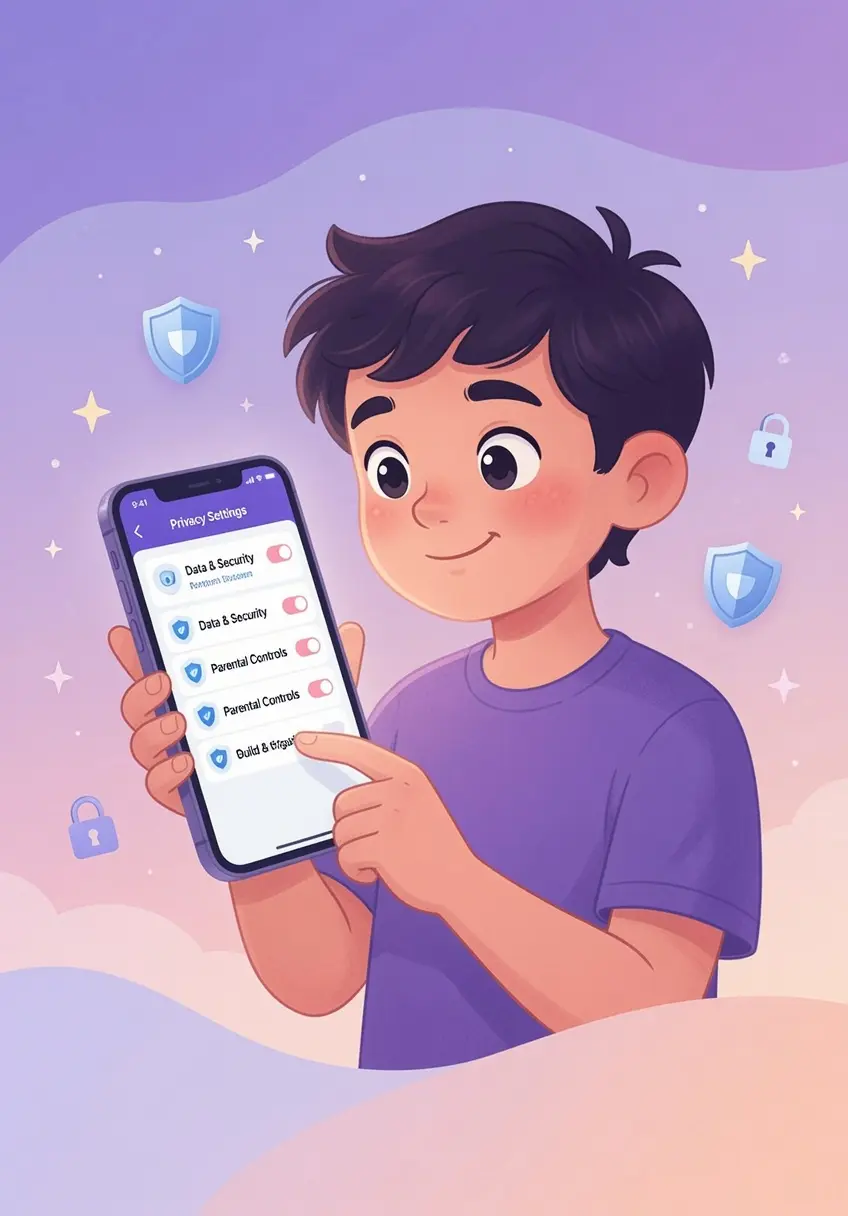
Perform a thorough walkthrough of their device settings. Disable background location services for apps that do not require them. Review the photo settings to ensure that location metadata is stripped from images before they are uploaded. If an app has a privacy dashboard, use it to see what information has been accessed in the last week. By doing this together, you are showing them that they have the power to control their data, rather than being a passive victim of system defaults.
Building Habits for Social Media
At this age, many children are eager to participate in social platforms. Talk to them about the difference between a public and a private profile. Discuss the implications of accepting friend requests from users they have never met in person. When they understand the 'why' behind these privacy measures, they are more likely to implement them consistently. This is a critical step in preparing them for the more complex digital world they will face as they grow older.
Communicating Expectations
Be clear about your expectations for their behavior at the sleepover. Emphasize that they should not feel pressured to share their location or personal photos just because their friends are doing so. Remind them that true privacy is about maintaining control over their information, and that they can always decline a request that feels uncomfortable or intrusive. Providing them with this language can help them navigate the social pressures of the sleepover.
Conclusion
Taking the time to audit app privacy settings is a tangible way to build your child's digital competence. It shifts their perspective from merely using a tool to understanding the implications of that tool in a social setting. By giving them the knowledge to manage their privacy, you empower them to make sound decisions long after the sleepover ends. This is about establishing a foundation of responsible digital ownership that will serve them well in the coming years.