
Building Emotional Resilience for a 9-year-old
The Development of Resilience in a 9-year-old
At nine, children are in a critical period of emotional development. They have moved past the immediate, reactionary frustration of younger years and are now beginning to conceptualize their own emotional states. When school is in session, the structure of the day often provides a scaffolding for this development. Teachers provide external prompts for regulation, and the routine itself acts as a container for their efforts. When summer arrives and this structure is removed, the 9-year-old must suddenly rely on their internal resources to handle disappointment, boredom, or social friction.
Building emotional resilience is not about preventing your child from feeling negative emotions. It is about equipping them with the capacity to identify, process, and navigate those feelings without relying on external management. For a 9-year-old, this means shifting from a model of blind compliance to a model of thoughtful participation in their own emotional life.
Shifting From Reaction to Analysis
When your 9-year-old faces a challenge outside the classroom, such as failing to master a new skill or losing a game with a neighbor, their initial reaction is often one of defeat or frustration. Avoid the urge to immediately soothe them or fix the problem. Instead, use this moment as an inquiry. Ask what specific part of the experience was most frustrating. Was it the expectation of winning? Was it the difficulty of the task?
This analytical approach helps your child break a global feeling of failure into specific, manageable parts. If they can identify that they are frustrated because they expected to master a bike trick in one afternoon, they can then discuss the reality of practice and progression. This shift from reaction to analysis is the foundation of resilience.
Cultivating Independent Problem-Solving
Resilience is built through the successful navigation of difficulty. If you remove every hurdle for your 9-year-old, they never learn the process of persistence. Encourage your child to identify and implement their own solutions to problems. If they lose a piece of their game, ask them what steps they can take to find it or how they can adapt the rules so the game can continue without that piece.
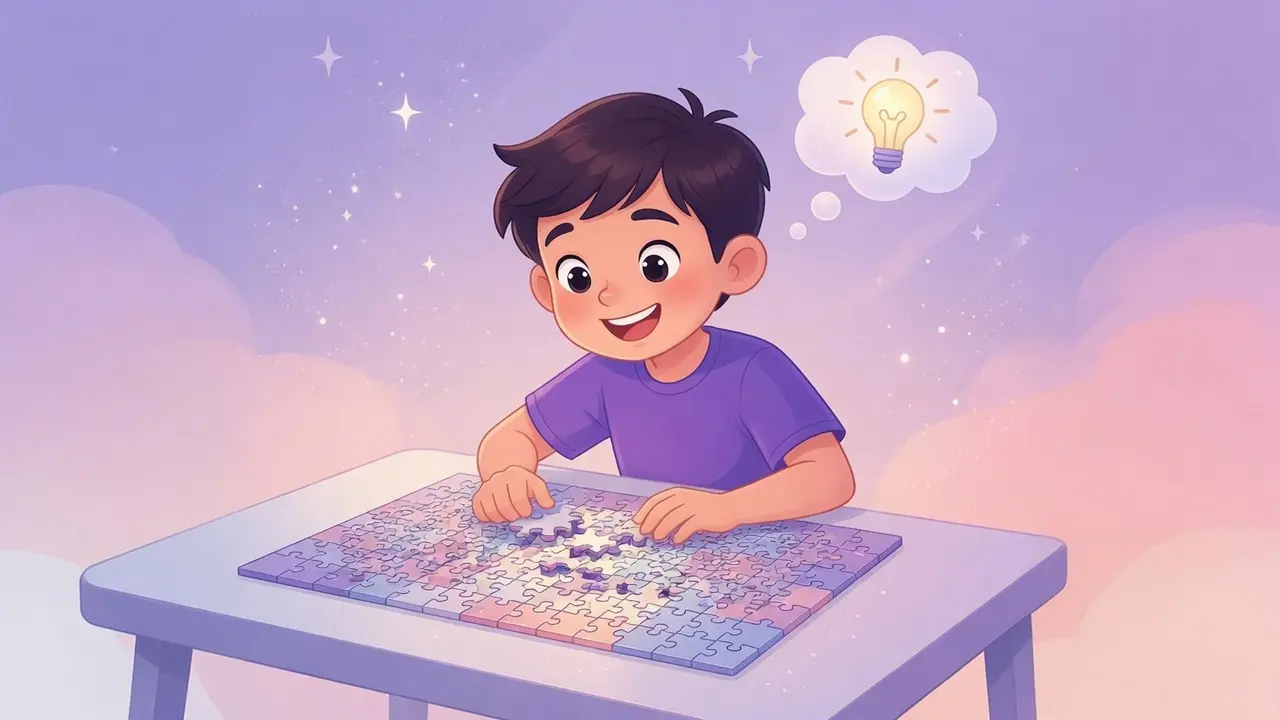
When they reach a point of frustration, provide a boundary rather than a directive. Ask them, what are the three options you see for moving forward? This requires them to generate solutions and evaluate the potential outcomes of each. By forcing this cognitive work, you are teaching them that problems are not dead ends, but rather puzzles to be worked through.
Developing Tolerance for Discomfort
Emotional resilience requires the ability to sit with discomfort. Summer days often have gaps where nothing is planned. Instead of feeling the need to fill these gaps with entertainment, encourage your child to handle their own boredom. When a child learns that boredom is a temporary state rather than a crisis, they begin to develop the inner focus needed for creative and independent activity.
Model this behavior in your own day. When you encounter a delay or a plan that does not work, talk through your thought process out loud. Show that you are also evaluating the situation and deciding on a course of action rather than simply reacting with anger. Your actions provide the most effective framework for their own behavior.
Practical Steps for Parents
- Use inquiries to process setbacks. Ask specific questions that help your child isolate the cause of their frustration.
- Encourage generated solutions. Before offering help, ask your child to outline at least two possible ways they could resolve their current challenge.
- Validate the feeling, not the reaction. Acknowledge the frustration as valid, but keep the focus on the path to resolution.
- Designate independent time. Create structured times where your child is expected to engage in an activity by themselves, helping them practice self-regulation.
By guiding your 9-year-old through these practices, you help them internalize the understanding that they are capable of navigating their own emotional states. This is a fundamental skill that will serve them long after the summer ends and they return to more structured environments. Resilience is earned through the experience of handling challenge, and your role is to provide the space and the tools for that experience to unfold.