
Daily Summer Chores for Your 12-Year-Old
Establishing Independent Summer Responsibility
At 12 years old, children are cognitively capable of managing a sequence of tasks without constant parental prompting. Transitioning from assigned chores to independent responsibility is a significant step in their maturation. The goal is to move the locus of control from the parent to the child. If you find yourself repeatedly reminding, cajoling, or negotiating daily tasks, the current system likely relies on your intervention rather than the child's internal management.
Designing an Objective Task Framework
To foster independence, remove ambiguity. A 12-year-old thrives when expectations are binary: the task is either complete according to the agreed-upon standard or it is not. Instead of vague instructions like keep the kitchen clean, define the criteria for success. For example, a kitchen chore might involve clearing the counters, wiping surfaces with a damp cloth, and loading the dishwasher.
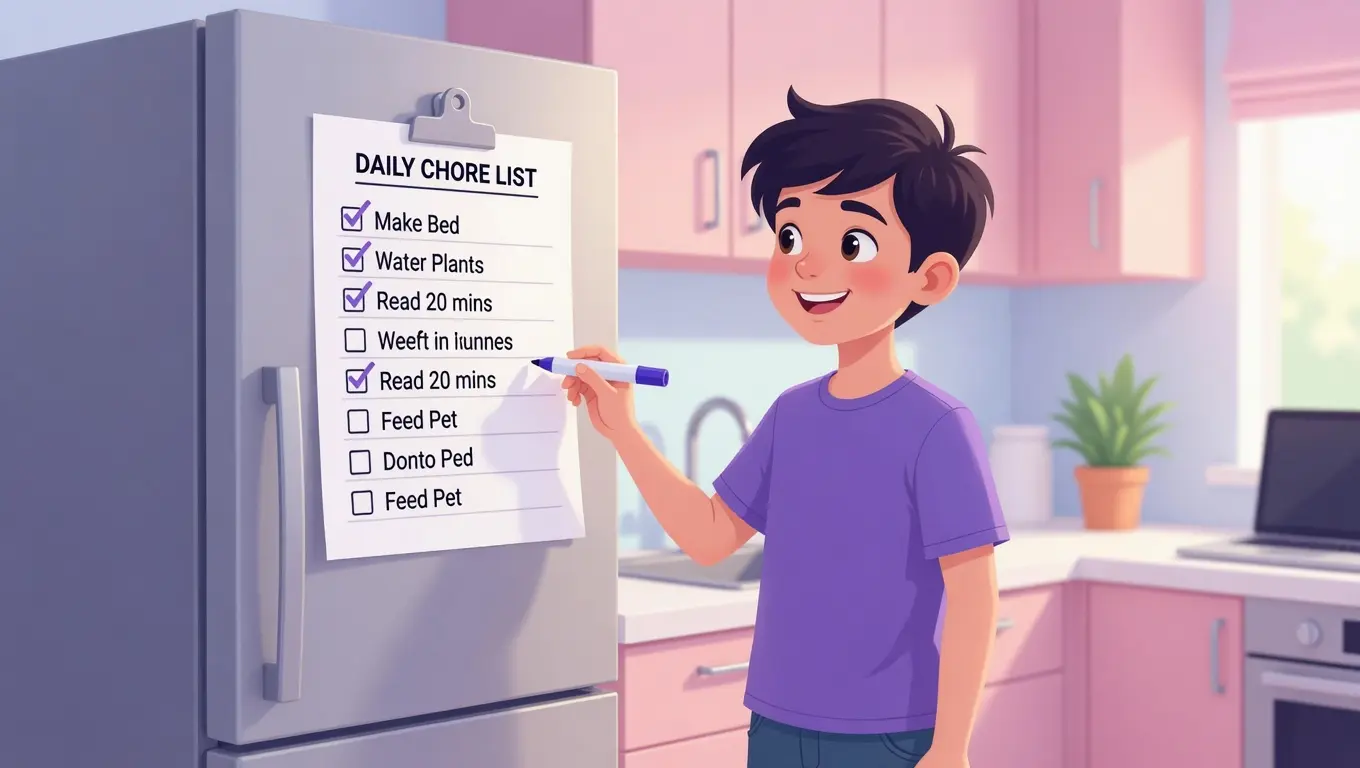
Create a physical or digital checklist that the child manages. This list should be posted in a common area. By externalizing the requirements, you stop being the reminder system. If a task remains unchecked, discuss the natural consequences at the end of the day. Did the state of the room prevent other activities? Was time mismanaged? Frame these discussions around the outcomes of their choices rather than moralizing their performance.
Building Routines through Logic
Twelve-year-olds often resist routines they perceive as arbitrary. Help them understand the logic behind their chores. Explain why specific tasks occur in a certain order. For instance, emptying the dishwasher first makes unloading breakfast dishes more efficient. When a child understands the cause-and-effect relationship between their actions and household functionality, they are more likely to execute the tasks without prompting.
Schedule a weekly check-in, not to hover over daily execution, but to audit the process. Ask: Which tasks consistently get skipped? Why does that happen? Is the chore list realistic given other summer commitments? This collaborative audit invites the child to participate in the design of their own responsibilities, increasing their commitment to the outcome.
Managing Time and Sequencing
Independence requires time management. Many 12-year-olds struggle to sequence tasks effectively, often leaving everything for the end of the day when fatigue sets in. Suggest they pair chores with other non-negotiable summer daily rhythms. For example, chores could be completed before they are allowed to use gaming devices or before they leave to meet friends in the afternoon. This creates a natural reward structure based on task completion rather than parental permission.
Handling Failure without Shame
When a chore is missed or poorly executed, avoid lectures on character or responsibility. Treat it as a technical failure in their current management system. If they forgot to feed the pets, discuss the impact on the animals and how to adjust their schedule or set a better reminder mechanism. Focus on the strategy: How will you ensure this does not happen tomorrow? This keeps the focus on process improvement rather than conflict.
By treating chore management as a project they are leading, you provide the scaffolding for them to develop genuine autonomy. You remain available to consult on the process, but the execution and the consequences of that execution rest firmly with them.