Digital Boundaries for an 8-year-old in Summer
The Challenge of Unstructured Summer Days
Summer often brings a relaxation of daily routines, which can lead to excessive screen time for an 8-year-old. While spontaneity is part of the charm of the season, a complete lack of structure can leave children adrift. At this age, children require clear guidelines to help them transition between digital activities and the physical world. Establishing digital boundaries is not about rigid control but about helping your child understand the natural trade-offs between virtual engagement and real-world experiences.
Setting Realistic Expectations
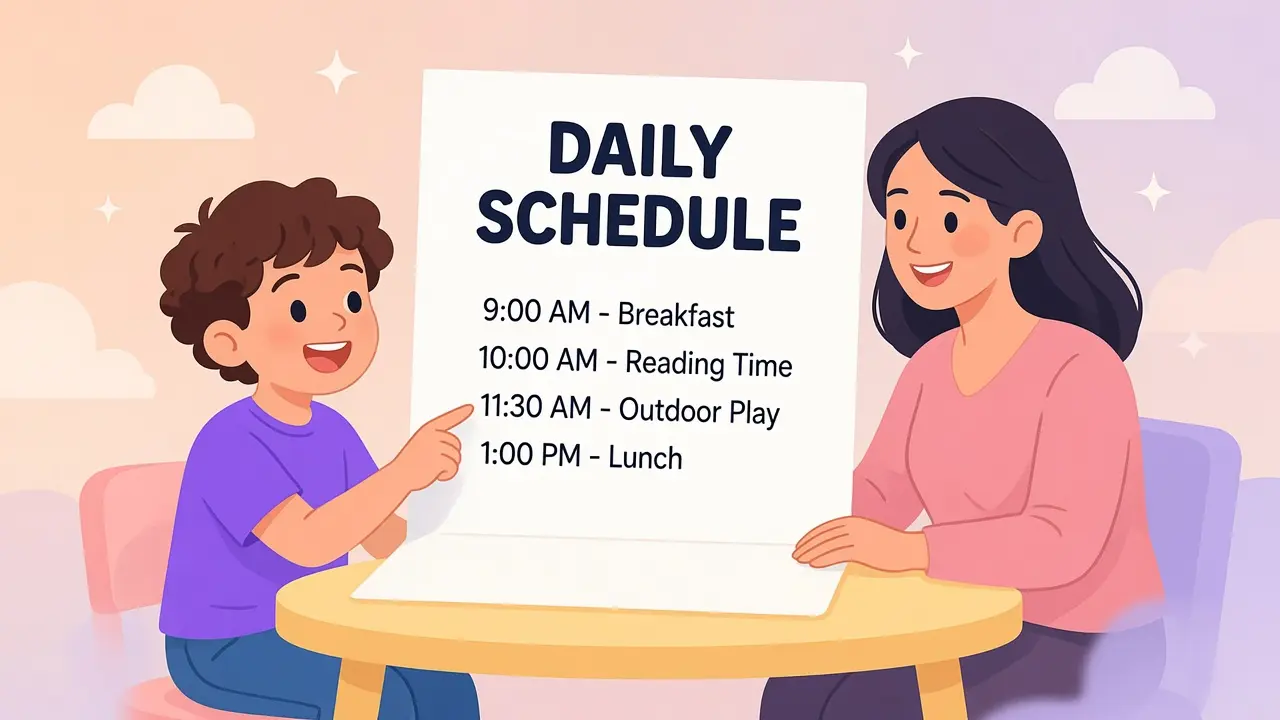
Avoid setting arbitrary time limits that feel like punishments. Instead, focus on creating a rhythm for the day that integrates technology in a logical way. For an 8-year-old, the day is easier to manage when they know what to expect. Use a simple visual chart to display the daily plan, showing where screen time fits in relation to outdoor play, chores, and reading.
Strategies for Maintaining Balance
- The First Hour Rule: Encourage your child to engage in a physical or creative activity for the first hour of their day before touching a screen. This habit sets a tone of intentionality and helps them start the day with something other than digital consumption.
- Consistent End Times: Set a specific time when devices are powered down and moved to a central charging area. Consistency here is key to preventing the frustration of sudden transitions when you ask them to stop.
- Activity-Based Access: Allow access only after certain conditions are met. For example, if they have an hour of playing outside, they earn their next block of screen time. This reinforces the idea that technology is a component of their day rather than the baseline activity.
Communicating the Why
When you need to step in to enforce a boundary, explain your reasoning in terms of observable effects. If they appear lethargic or irritable after an hour on a tablet, point that out calmly. Say something like, I notice you seem a bit frustrated after playing that game for a long time, so let’s take a break and move to something else. This shifts the focus from you being the bad guy to you helping them manage their own wellbeing.
Collaborative Problem Solving
Include your 8-year-old in the planning process. Ask them what they want to achieve during the summer, whether it is learning to build a specific thing in a game or finishing a book series. If they have personal goals, they are more likely to respect the boundaries you have set together. When they feel their own interests are being supported, they are more cooperative when it is time to log off.
Conclusion
Managing digital boundaries for an 8-year-old requires consistency and a focus on the broader picture of their daily health. By setting clear expectations and framing technology as a part of a larger, well-rounded day, you help your child build the self-regulation skills they need to navigate the digital world responsibly.