Gamifying science for your 5th grader this summer
Transforming Summer into a Laboratory
For a 5th grader, science is no longer just about observing phenomena; it is about testing hypotheses, manipulating variables, and predicting outcomes. Summer break offers a unique period to shift from passive textbook learning to active, gamified inquiry. By framing science concepts as challenges to solve or levels to beat, you maintain their intellectual momentum while ensuring they stay engaged with core scientific principles.
Designing Your Summer Science Games
Gamification is not about adding badges to boring work. It is about creating a structure where the child identifies a problem, designs a procedure, and evaluates their success based on observable data.
The Variable Manipulation Challenge
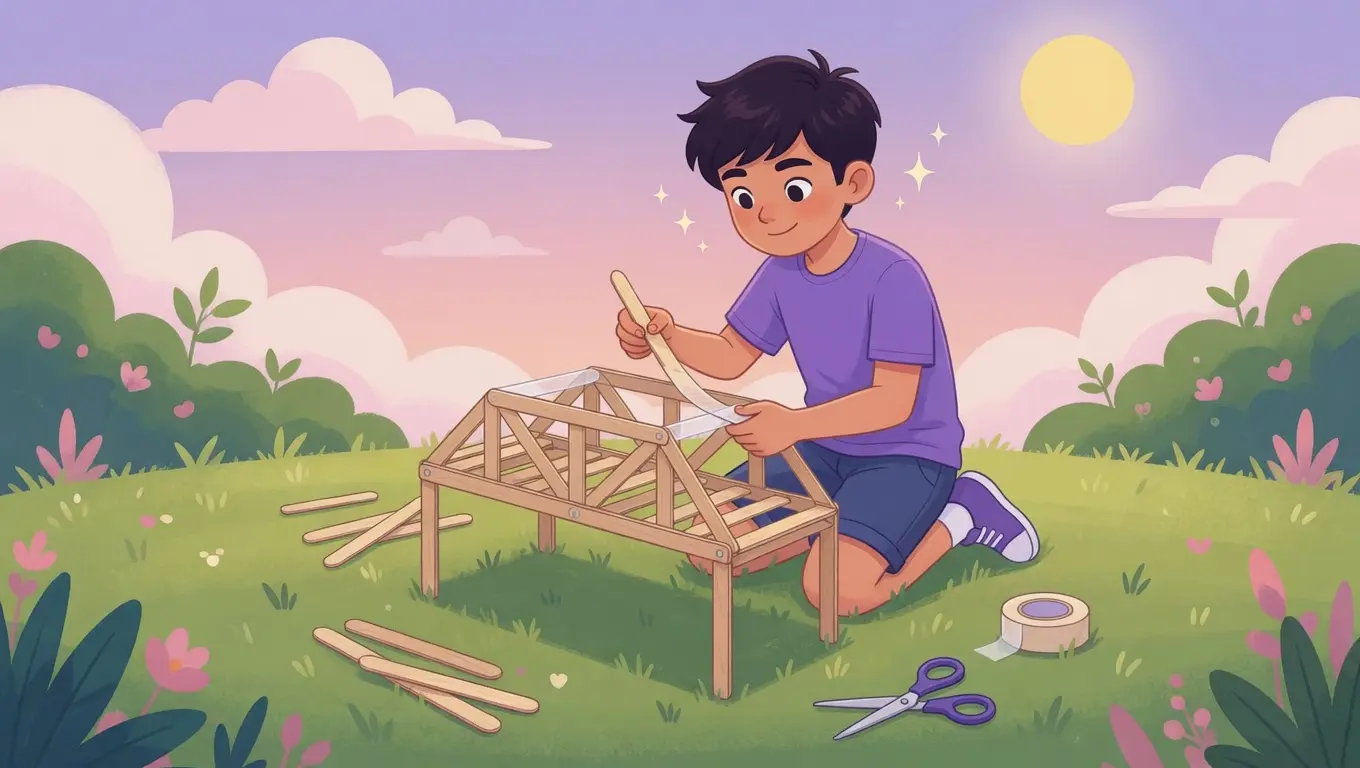
Instead of telling your 5th grader how to test a hypothesis, set up a series of variables and ask them to determine which one matters most. For instance, build a simple catapult from craft sticks and rubber bands. The game is to see how changing the length of the lever arm or the tension of the rubber band affects the trajectory of a cotton ball. Give them a target and a scoring system. They must adjust one variable at a time, record the result, and iterate until they achieve perfect accuracy. This teaches them the scientific method as a strategy for winning rather than as a step-by-step chore.
Mystery Observation Missions
Encourage your 5th grader to be a field researcher. Assign a mission based on your local environment. Perhaps the challenge is to track the life cycle of local insects or to map the changes in plant growth around the house over several weeks. Provide a logbook and set specific, measurable milestones. If they successfully document three distinct life stages of a particular species, they earn a reward. This turns the process of observation into a focused, goal-oriented activity that requires systematic documentation and persistence.
Integrating Physics and Biology
Science concepts overlap, and a game can bridge multiple domains. Encourage your child to solve problems that require understanding both physical properties and biological processes.
The Ecosystem Build
Challenge your 5th grader to create a self-sustaining environment in a large glass jar. They must calculate the correct balance of light, moisture, and soil composition for a specific set of plants. If the ecosystem fails, the game is to identify which variable caused the imbalance. This requires them to understand the cause and effect of environmental factors and forces them to engage in continuous testing and refinement.
Why Gamified Science Works
This approach works because it honors the developmental need for autonomy and competition. A 5th grader is at an age where they want to exert influence over their environment. When you provide the tools and let them lead the inquiry, you are fostering a deep connection to the subject. They are no longer just memorizing facts for a test; they are using logic to dominate a physical challenge.
Concluding Thoughts
Scientific literacy is built through the trial and error of authentic experimentation. This summer, use your home and the outdoors as a playground for inquiry. By setting clear goals and letting your 5th grader manage the variables, you help them understand that science is a powerful, reliable method for discovering how the world functions.