Handling Sibling Conflict for Your 11-Year-Old
The Anatomy of Summer Sibling Conflict
For an 11-year-old, the sudden increase in unstructured time at home frequently leads to friction with siblings. At this developmental stage, children are striving for increased autonomy and personal space, yet they often lack the emotional maturity to negotiate boundaries effectively when their personal territory is constantly encroached upon. When school schedules vanish, the lack of external social outlets means siblings become the primary targets for frustration and social friction.
Why 11-Year-Olds Struggle with Siblings
Eleven-year-olds are beginning to define their individual identity, which often manifests as a desire for separation from family members. When they are forced to navigate the same living space with a sibling all day, this desire for autonomy is thwarted. Their prefrontal cortex, which governs executive function, is still developing, making it difficult for them to see their sibling as an equal partner in negotiation rather than an antagonist blocking their personal goals.
Identifying the Triggers
Parents can observe specific recurring themes that lead to conflict at this age:
- Encroachment on personal physical space or belongings.
- Disagreements over shared resources like gaming consoles or computers.
- Differences in activity pacing, where one child wants high-energy play and the other wants quiet time.
- Struggles for status or parental attention.
- The desire to exert influence or control over a sibling to feel a sense of power.
Practical Strategies for Parental Support
Shift your role from referee to facilitator of logical problem-solving. Teach your child that conflict is an observable problem to be managed rather than a moral failure of their sibling.
Implement Defined Boundaries
Work with your children to establish explicit rules for shared spaces and time. For example, if your 11-year-old needs space for their own interests, designate a specific time or zone in the house as theirs. Make the boundary physical, such as a closed door or a specific mat, and help them communicate that boundary clearly: I need an hour to finish this project, so I cannot play right now. This is a functional communication of a need, not a rejection of the sibling.
Teach Negotiated Resolution
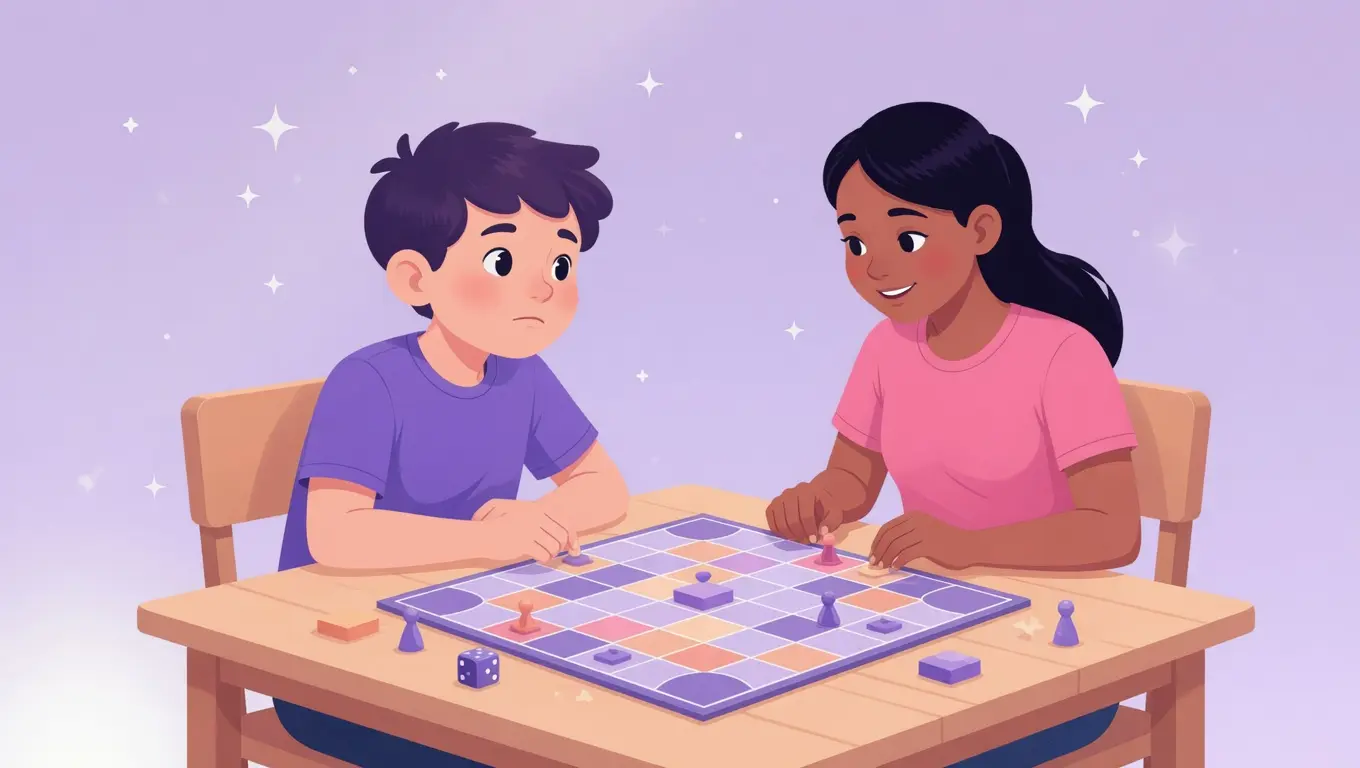
When a conflict arises, avoid simply declaring a winner. Instead, facilitate a discussion about the underlying objective of each child. Ask: What are you trying to accomplish, and what is the current obstacle? Help them draft a compromise. If two children want to use the same device, ask them to propose a schedule that satisfies both needs. This teaches them to view the situation as a logistical challenge rather than a personality battle.
Create Independent Objectives
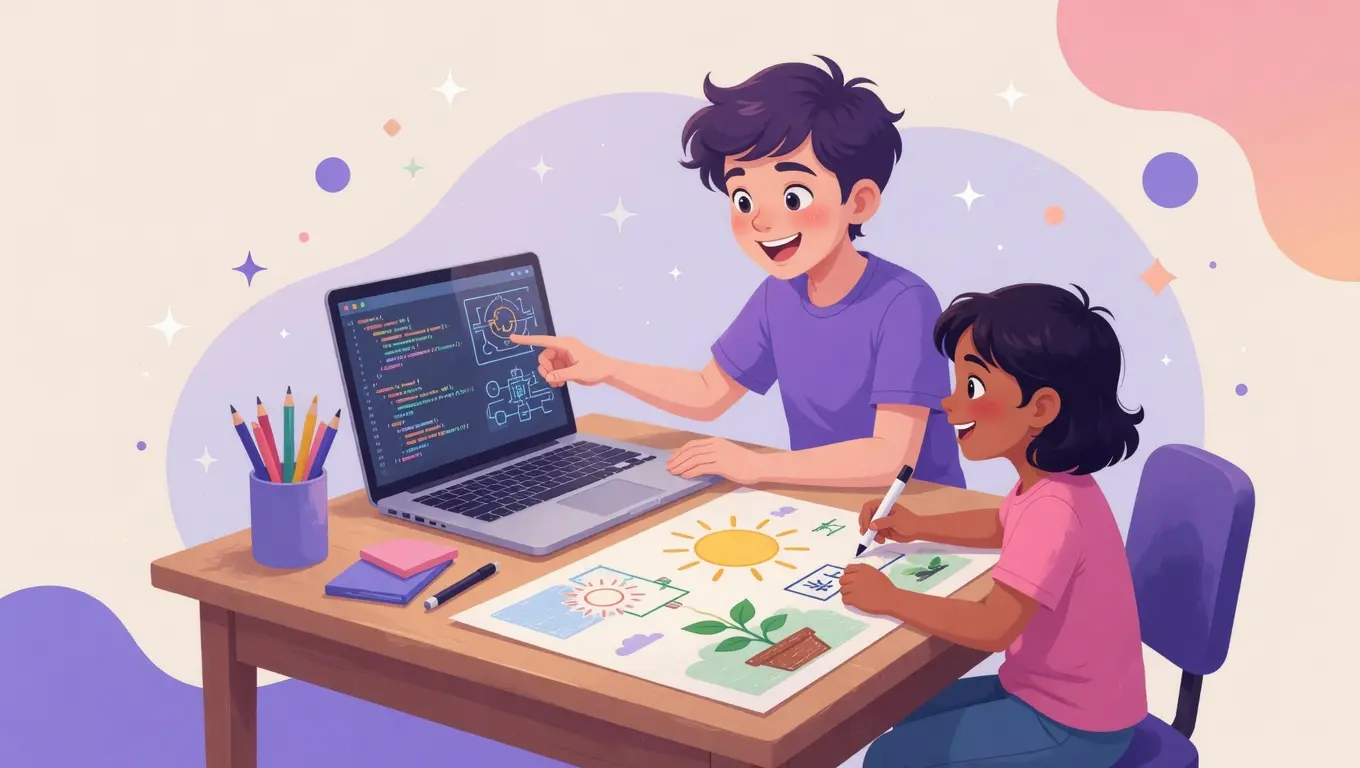
Loneliness or boredom is often the catalyst for sibling provocation. Encourage your 11-year-old to initiate a personal, goal-oriented project that requires focus, such as learning a language, building a complex structure, or organizing their own space. When they are deeply engaged in an independent task, they are less likely to seek out their sibling for entertainment, which reduces the potential for conflict.
Model Calm Inquiry
Demonstrate how to pause and observe when you feel frustrated with your own siblings or partners. Show your child how you articulate your needs without escalation. By witnessing your ability to manage your own frustration logically, they gain a template for their own interactions.
Concluding Thoughts
Handling sibling conflict for an 11-year-old is not about eliminating disagreement, but about providing the logical framework to resolve it. By fostering independence and requiring clear, respectful communication, you enable your children to navigate their home environment as a space for practice rather than just a place of friction.