
Helping Your 11-Year-Old Find New Friends This Summer
Understanding the 11-Year-Old Social Landscape
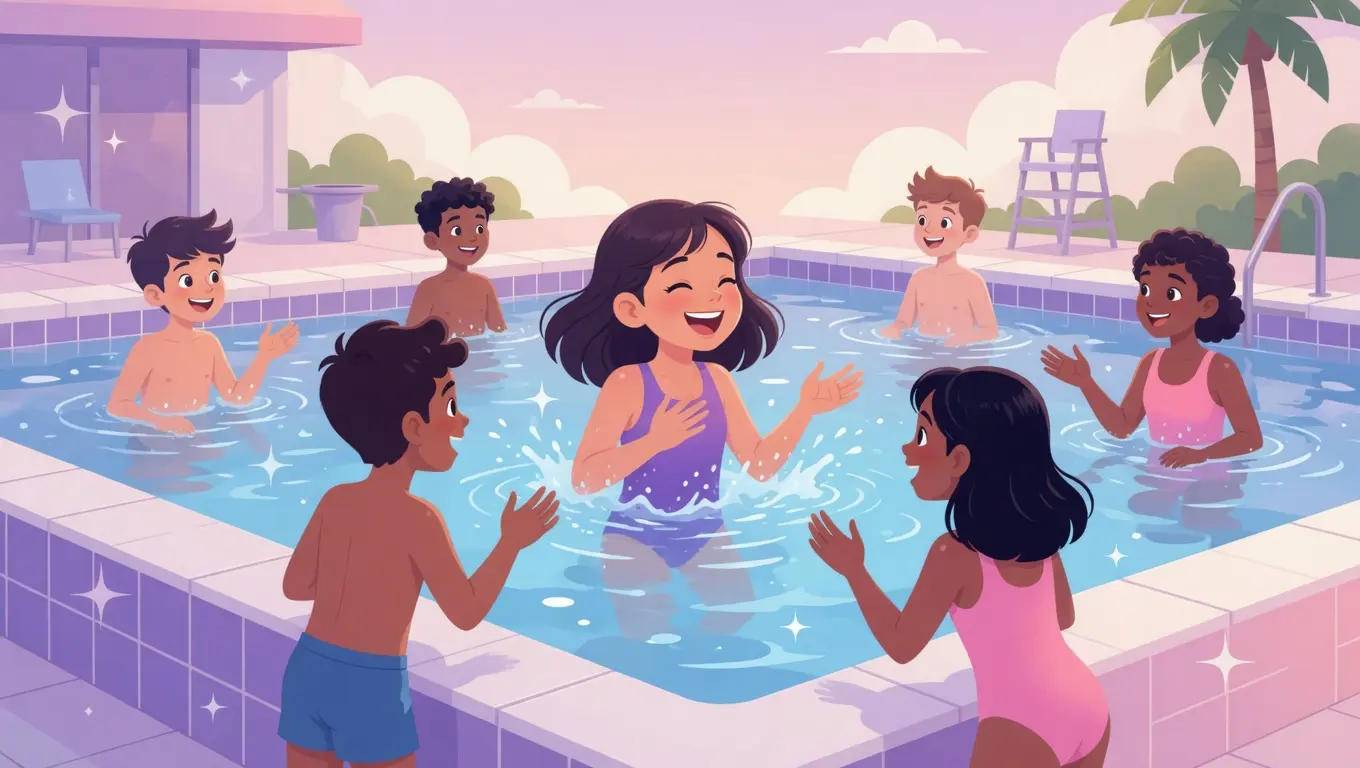
At 11, children are in a transitional stage of social development. They are moving away from the play-based connections of childhood toward interest-based and personality-driven friendships. Summer settings like camps or community pools provide a unique, unstructured environment that can either facilitate these new connections or create significant social anxiety.
Unlike the classroom, where proximity is forced, summer environments require the 11-year-old to initiate interaction. This age group often struggles with the fear of rejection while simultaneously craving independence from parental guidance. Recognizing this tension is the first step in providing effective support.
Identifying Common Social Barriers
Many 11-year-olds face specific obstacles in these environments:
- The assumption that everyone already has a established friend group.
- Uncertainty regarding how to enter an ongoing conversation.
- Fear that their specific interests will not align with others.
- Difficulty reading social cues from children they do not know well.
- Over-reliance on familiar friends, preventing the exploration of new social circles.
Actionable Steps for Parents
Instead of offering generic encouragement, focus on specific, observable behaviors that your child can practice.
Practice Entry Scripts
Rather than telling your child to just say hello, help them practice specific, low-stakes questions. For instance, at the pool, they might ask, Do you know if they are going to do a lap swim competition later? or What game is that group playing on the side of the pool? These questions are functional and provide an easy gateway into a conversation without the pressure of a personal introduction.
Use Shared Activities as a Bridge
Encourage your child to observe the activities of others before attempting to join. If a group is playing a specific card game at camp, suggest that your child watch for a round to understand the rules. This demonstrates competence and respect for the group dynamic, which makes an invitation to join more likely.
Define Success by Interaction, Not Outcome
Remind your child that the goal of the day is not to make a best friend immediately, but to have three positive, short interactions. This frames the social experience as a series of manageable, experimental steps rather than a high-stakes performance.
The Role of Observation
Help your child learn to identify social energy in a room. Teach them to look for open versus closed body language. If a group is sitting in a tight circle with their backs turned, it is a closed group. If they are spread out or playing an activity that requires more participants, it is an open group. This logical approach to social settings reduces the sting of rejection by helping the child understand that it was likely a matter of group logistics, not a personal failing.
Concluding Thoughts
Supporting your 11-year-old in making new friends is about providing them with a toolkit for navigation rather than ensuring a specific outcome. By focusing on observation, specific entry scripts, and managing expectations, you empower them to approach summer social life with agency and critical thinking.