History exploration for your 5th grader
History Beyond the Textbook
For a 5th grader, history is often presented as a collection of dates, names, and singular events. This approach misses the core of historical study, which is the analysis of human decisions, cultural contexts, and the ripple effects of past choices. Summer travel and museum visits provide the ideal setting to shift this perspective. By moving from passive observation to active inquiry, you can help your child see history as a dynamic, ongoing conversation rather than a static record.
Strategies for Engaging Museum Visits
Most museums are designed to be viewed linearly, but a 5th grader learns better when they have the autonomy to pursue their own threads of inquiry. Shift the focus from completing the tour to engaging with specific artifacts.
The Curator Challenge
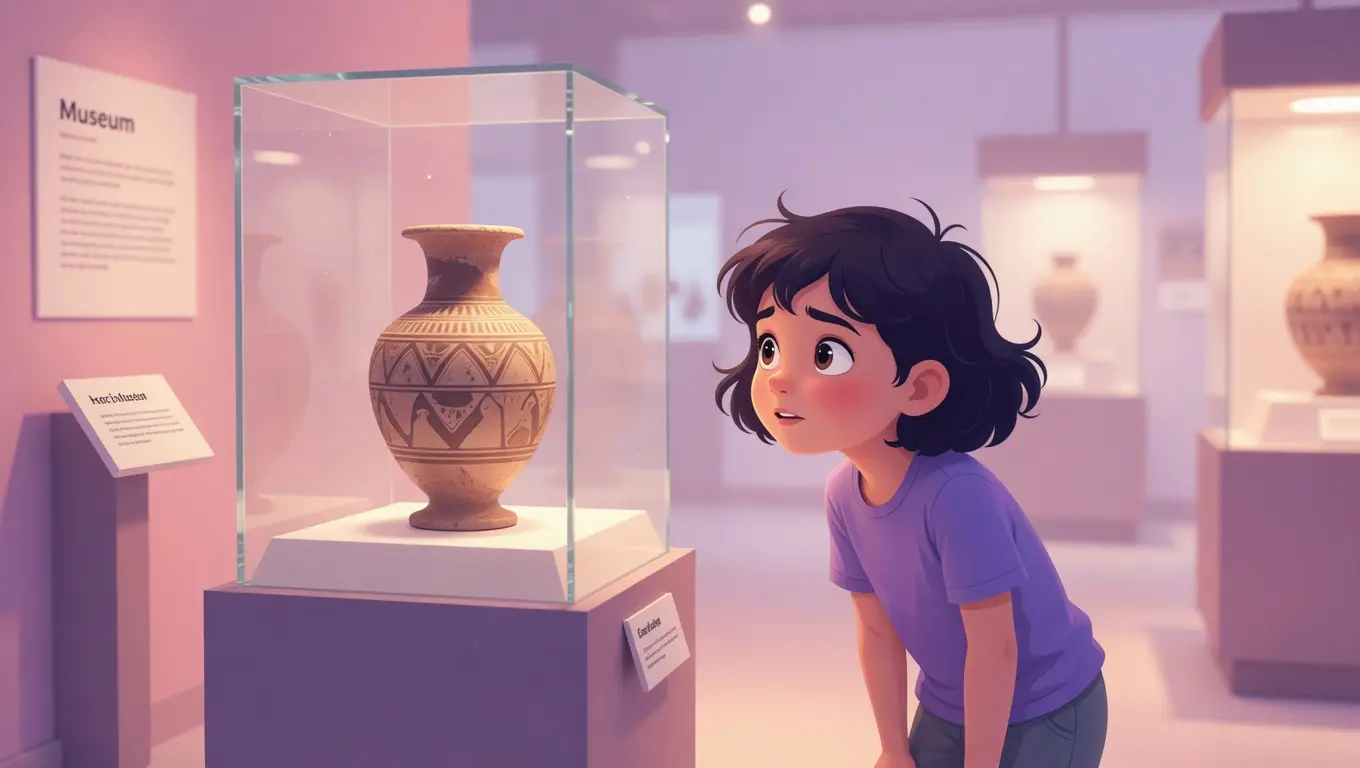
Instead of walking through an exhibit following the placards, ask your child to select three artifacts that tell a coherent story. They must explain why these objects belong together and what they reveal about the period. This requires them to look for themes, such as how tools changed over time or how geography influenced trade, rather than just reading descriptions. By curating their own mini-exhibit, they move from being a consumer of history to an interpreter of it.
Comparative Analysis
If you are visiting a historical site, ask your 5th grader to compare the daily life of a person from that period to their own. What challenges would they face in finding food, communicating with others, or ensuring their safety? Encourage them to look for the silent evidence of history, such as the wear on a stone threshold or the placement of windows in a house. These physical clues provide tangible evidence of the past that an exhibit placard cannot convey.
Making Travel Historically Significant
Travel naturally invites questions about place and time. Use the geography you pass through as a framework for discussing the events that shaped the region.
The Historical Mapper
Before you start your trip, have your child research one event that occurred in the region you are visiting. Use a map to plot the location and discuss the context. As you travel, talk about why that event happened there and what the landscape might have looked like at the time. This helps the 5th grader understand how geographic features often determine the course of historical events.
Primary Source Investigation
If possible, visit local archives or historical societies. Ask your child to look for a primary source related to your destination, a newspaper clipping, a letter, or an old photograph. Discuss the intent of the author. What information is included, and what is missing? By analyzing these documents, your child learns that historical narratives are constructed and that different sources offer different perspectives. This is an essential skill for developing historical empathy and critical judgment.
Why These Activities Work
These methods succeed because they treat your child as a historian. When you encourage them to find their own path through an exhibit or to investigate the context behind a site, you are validating their capacity for complex thought. You are showing them that history is a tool they can use to understand their present world.
Final Thoughts
History is a vast landscape of human choices and consequences. By engaging in critical inquiry this summer, you provide your 5th grader with the context they need to navigate the world with a deeper understanding of the past. Use your next museum visit or journey not just to see the world, but to explore the stories that shaped it.