
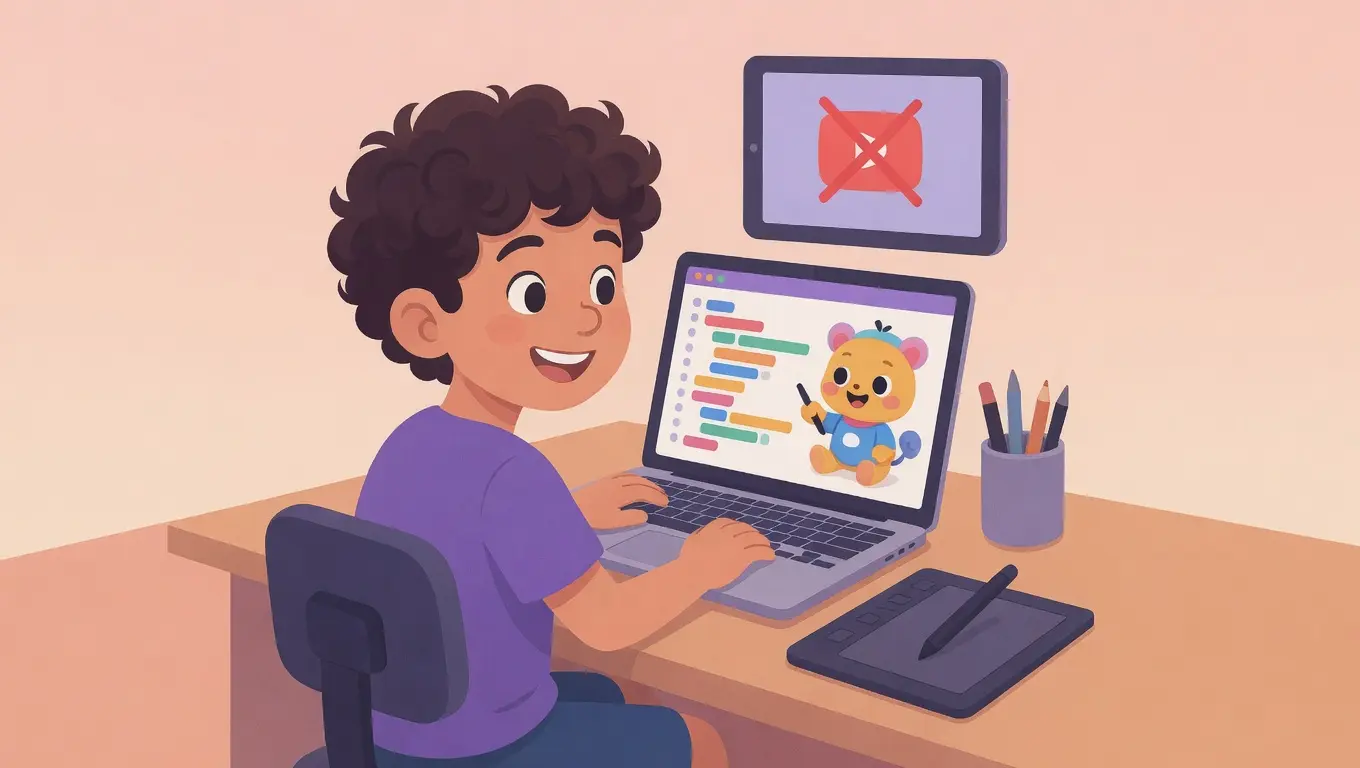
Moving Your 9-Year-Old from YouTube to Digital Creation
Many 9-year-olds spend their free time watching YouTube, drawn to the fast-paced entertainment and endless content stream. While this habit is common, it is often a passive experience. At age 9, children are developmentally ready to transition from observing content to producing it. By shifting their perspective from consumer to creator, you help them understand the mechanics of digital media, fostering a more critical and analytical mindset.
Understanding the Mechanics of Digital Media
When a 9-year-old watches a video, they see the finished product. When they create one, they encounter the reality of planning, editing, and technical challenges. This transition demystifies the content they consume. Encourage this shift by focusing on projects that require active decision-making. Instead of letting them binge-watch, challenge them to design a short, instructional video or a simple digital animation. This forces them to consider the structure of storytelling, such as how to introduce a topic, how to maintain focus, and how to conclude a message.
Practical Projects for the 9-Year-Old Creator
Begin by identifying tools that are appropriate for their skill level. Avoid professional-grade software that introduces unnecessary complexity. Simple stop-motion animation apps are an excellent starting point. A 9-year-old can use physical items like action figures or clay to create a sequence. This activity requires patience and planning, as each frame must be manually set and captured. It teaches them about sequential storytelling and how small, incremental actions lead to a coherent final result.
Another project involves digital photography or basic video documentation. Ask your child to create a short documentary about an aspect of their summer, such as their garden project or a trip to a local park. This requires them to write a script, consider lighting, and edit clips to make sense of the story. By doing this, they begin to notice how lighting, sound, and pacing affect the viewer experience.
Addressing the Challenges of Creation
Your child will likely encounter frustration when their initial results do not match their vision. Use these moments to discuss the process of trial and error. Instead of fixing the technical issues for them, ask questions that lead them to a solution. For example, if a video has poor audio, ask, How can we change our environment to minimize background noise? This approach treats technical problems as puzzles to be solved rather than reasons to quit.
Setting Expectations and Boundaries
Creation requires time and focus, but it should not become an all-consuming activity. Establish a project-based approach. If they want to produce a video, set a clear timeframe for each stage: planning, filming, and editing. This structure prevents the activity from turning into endless screen time under the guise of work. Define the scope of the project clearly so they understand what constitutes completion.
Developing Critical Awareness
As your child engages with creation, discuss what they observe in the content they watch on YouTube. Ask them to compare their own experience with what they see. Did you notice how long it took you to edit that ten-second clip? How does that change your perspective on the high-production videos you watch? This builds a critical eye. They start to realize that creators invest significant time and effort in every piece of content, which makes them less likely to accept digital media at face value.
Supporting Long-Term Digital Competence
Transitioning to active creation is not a one-time event but a continuous process of learning. By equipping your 9-year-old with the ability to build and manipulate digital content, you prepare them for a future where digital fluency is a standard requirement. Treat each project as a chance to reinforce the habit of thoughtful planning and precise execution. This practical foundation will serve them well beyond their summer activities, turning their interest in digital media into a platform for genuine expression.