
Overcoming Summer Loneliness for a 9-year-old
The Nature of Summer Isolation for a 9-year-old
At nine, a child's social life is often heavily anchored in the structure of the school day. When the final bell rings and the long break begins, this structure vanishes, leaving many children feeling disconnected. A 9-year-old is at a developmental crossroads where they crave peer interaction but may lack the independent transportation or established local networks to facilitate it easily. When friends travel or their neighborhood seems quiet, the resulting isolation can feel profound.
Loneliness for this age group is rarely about a lack of social desire. It is often about a temporary loss of the familiar scaffolding that supports their peer relationships. Recognizing this distinction is essential for parents. It is not that your child is inherently antisocial, but rather that they are currently without the mechanisms to bridge the gap between their desire for connection and their reality.
Identifying the Source of Disconnection
Before you intervene, observe the specific nature of your child’s loneliness. Is it the absence of a specific best friend? Is it a feeling of being left out of neighborhood play? Or is it a broader sense of having nothing to do with peers? Each of these triggers requires a different approach.
If your child misses a specific friend, help them find ways to maintain that bond that are not solely reliant on school proximity. If the issue is neighborhood play, explore which local parks or common spaces still see activity. By identifying the root cause, you move away from general comfort and toward a specific, solvable problem. This gives your child a sense of agency rather than leaving them to ruminate on their feelings.
Creating Opportunities for Interaction
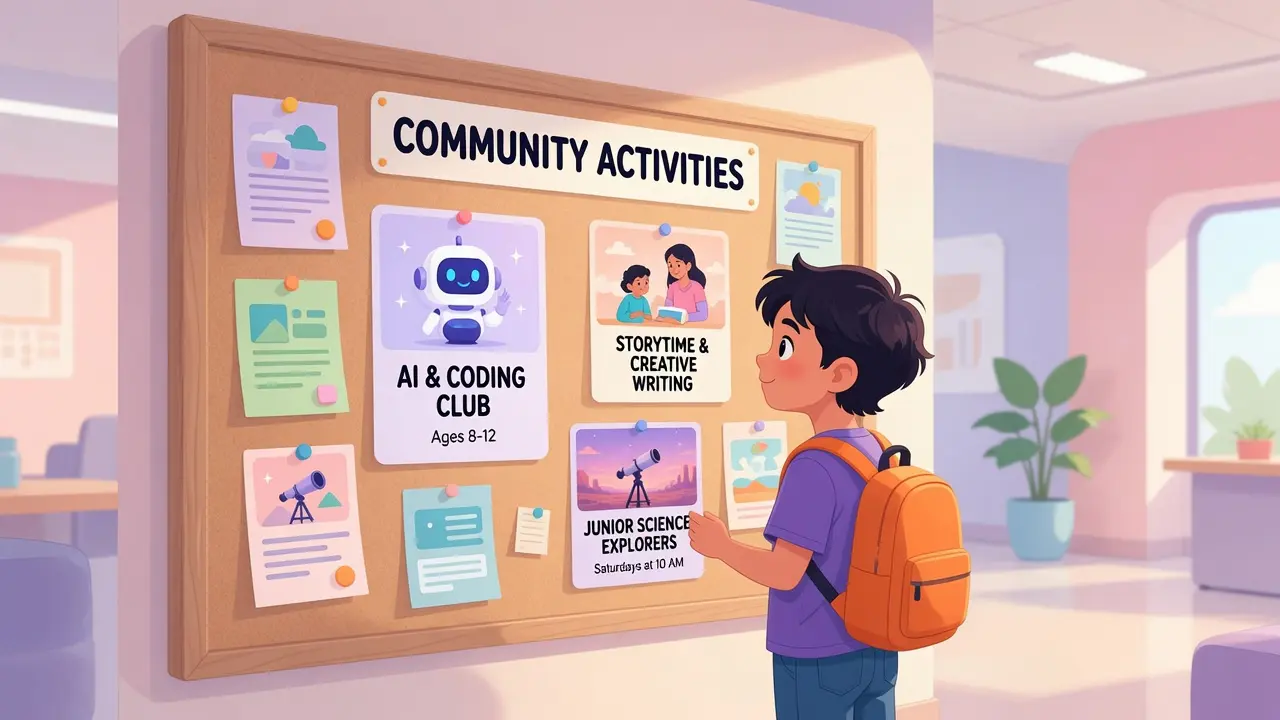
When standard social patterns break down, you can help your child create new ones. Focus on interests rather than forced friendships. If your 9-year-old enjoys drawing, look for a local art workshop. If they enjoy active play, consider a drop-in sports clinic. These environments offer a shared activity that naturally reduces the pressure of conversation. The activity serves as the primary connection point, making the social aspect secondary and therefore more manageable.
Encourage your child to take a small, active role in their own social scheduling. Instead of you doing the coordinating, ask your child to identify one person they might want to invite to a low-stakes activity, such as a bike ride or an afternoon at the park. Give them the responsibility of checking if that person is available. This practice is essential for building the social confidence that nine-year-olds need to navigate their own lives.
Building Resilience Through Independent Interests
Social isolation often feels worse when a child has no other distractions. Help your child develop personal interests that can be pursued independently but have potential for social connection later. Perhaps they want to learn to play a new card game or build a detailed lego set. These activities provide a sense of accomplishment that is independent of their social status.
When a child feels capable and occupied, the sting of temporary loneliness diminishes. They are no longer waiting for the phone to ring or for a friend to appear; they are actively engaged in something they enjoy. This is a critical developmental pivot point where they learn to self-regulate and find contentment in their own company.
Practical Steps for Parents
- Map out local activities. Identify specific drop-in programs where your child can meet others with similar interests.
- Involve your child in the planning. Let them reach out to peers for low-stakes, manageable activities.
- Validate the feeling. Acknowledge that the transition from school structure to summer is hard, without moving immediately to fix it.
- Encourage independent hobbies. Provide materials for long-term projects that keep the child occupied during quiet summer days.
By helping your child navigate these moments, you equip them with the skills to handle social transitions throughout their lives. Loneliness is a temporary state, not a permanent condition, and learning to manage it now creates a resilient foundation for the years ahead.