
Self-Directed Summer Schedules for a Tween
Transitioning into the teen years often involves a tug-of-war between a child's desire for independence and a parent's desire for structure. When summer arrives, the sudden freedom can feel overwhelming for both. Instead of imposing a rigid schedule, consider a collaborative approach that treats your tween as a partner in managing their own time. This is not about letting them sleep until noon, but rather teaching them how to organize their day around goals and responsibilities.
The Shift to Shared Ownership
At the tween level, cognitive development allows for more complex reasoning regarding cause and effect. They can understand why certain tasks need to happen before others. When you dictate their day, you deny them the opportunity to practice the executive function skills required for high school and beyond. Start by asking them what they hope to achieve during the summer. Do they want to learn to bake, master a coding language, or finish a specific series of books? By identifying their internal goals, you create the foundation for a schedule that they actually want to follow.
Establishing Non-Negotiable Anchors
Even in a self-directed environment, clarity is essential. Identify the non-negotiables that keep the household functioning. Perhaps it involves a shared meal in the evening, a daily chore that contributes to the house, or a set time for physical activity. These are your anchors. Once these are defined, the rest of the day is flexible territory. Encourage your tween to map out their time around these anchors, giving them the agency to decide when they complete their tasks.
Time Blocking as a Strategic Tool
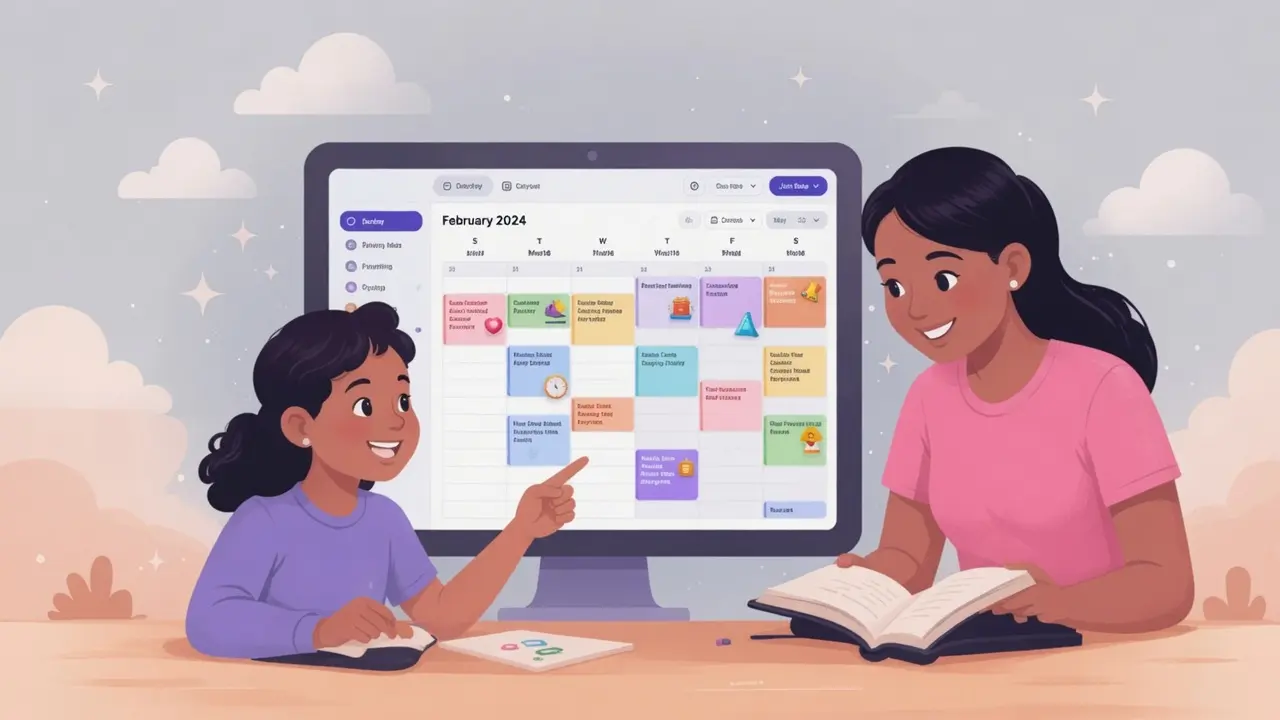
Teach your tween the concept of time blocking. Instead of a to-do list that feels like a chore, time blocks treat hours as resources. Have them divide their day into broad categories: intellectual work, physical movement, creative pursuit, and downtime. This provides a rhythm to the day without the suffocation of a minute-by-minute itinerary. If they want to front-load their difficult work in the morning when their focus is highest, let them. If they prefer to save creative work for the evening, that is their choice.
Managing Natural Consequences
When a tween fails to manage their time, the natural consequences are far more effective than moralizing. If they spend their entire block of free time gaming and neglect their self-identified goal of learning to code, observe the result. Do not shame them. Instead, ask them at the end of the day how they feel about their progress and whether they met their own expectations. By asking them to evaluate their day, you shift the burden of performance from you to them. This is how competence is built through experience.
Adapting and Refining
No schedule is perfect from the start. Schedule a weekly sync, perhaps over a weekend lunch, to discuss what worked and what proved difficult. Did they underestimate how long a project would take? Did they find themselves too distracted during certain hours? Treat the schedule as a living document that can be adjusted as they learn more about their own working habits. This humility in the face of feedback is exactly what they will need as they grow older.
Conclusion
A schedule that actually works for a tween is one that they have a hand in building. By providing the framework of expectations while allowing them the freedom to fill the blocks, you foster true independence. You are not just managing their summer; you are equipping them with the tools to manage their own lives with logic and intent.