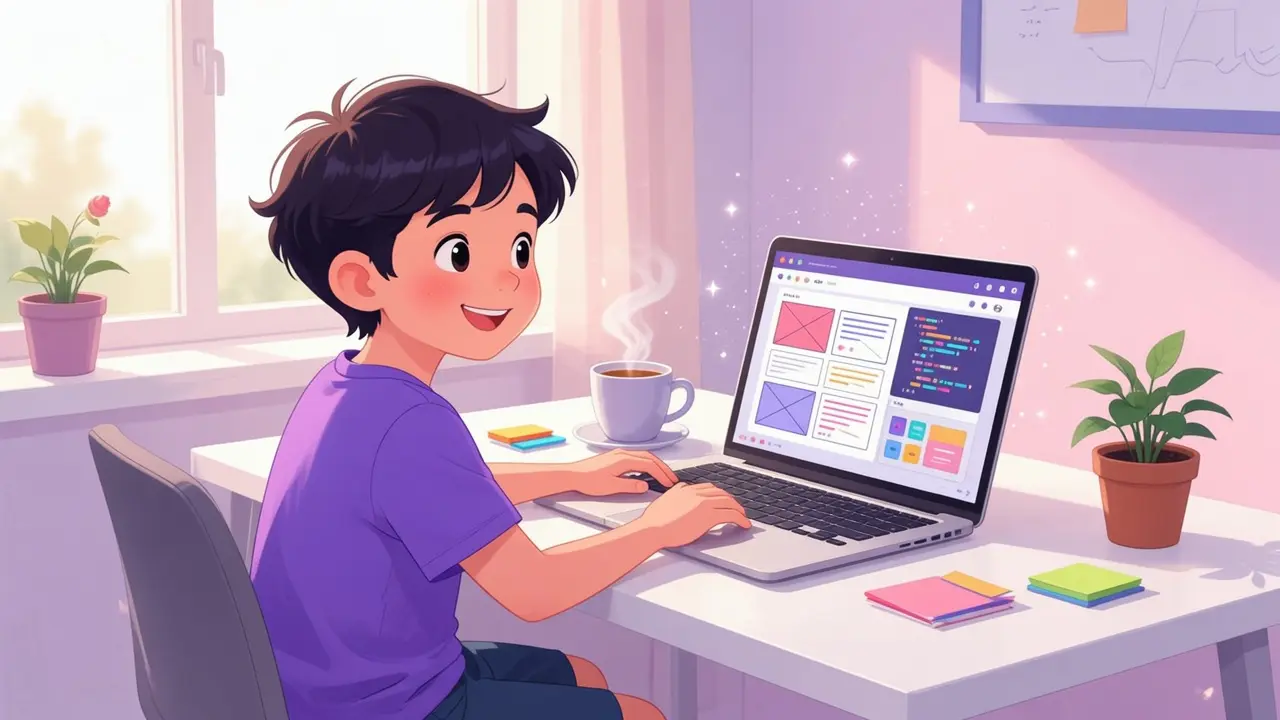

Summer Coding Projects for Your 8th Grader
Transforming Summer Tech Time
For many parents of an 8th grader, the summer months present a recurring dilemma. You want to see your child engaged in meaningful pursuits, but they are also seeking autonomy after a demanding school year. At this developmental stage, an 8th grader is beginning to shift toward abstract thinking and long-term planning. They are capable of understanding how individual tasks contribute to a larger goal, making this the ideal time to move beyond casual consumption of technology and into active creation.
Building a digital portfolio is more than an impressive extracurricular activity. It is a process that requires a student to define a project, iterate on designs, troubleshoot errors, and present their work publicly. By focusing on coding projects, you help your child understand the relationship between logical structure and real-world outcomes.
Choosing the Right Project
Success in a summer coding project depends on selecting an objective that matches the 8th grader's current skill level while offering just enough challenge to require persistence. Avoid projects that are too abstract or those that rely on drag-and-drop interfaces which offer little insight into how software actually functions. Instead, focus on projects that produce a tangible, shareable result.
Building a Personal Web Presence
One of the most effective ways to start a digital portfolio is to build a personal website from scratch. Rather than relying on a template service, have your child use basic HTML and CSS. This teaches the fundamental structure of the web. Challenge them to host a project showcasing their interests, such as a blog about a specific hobby or a mock business site. This project requires them to organize content logically and understand how styling choices affect the user experience.
Developing a Functional Web Application
If your child has basic coding experience, suggest building a simple web application using JavaScript. Examples include a weather tracker that pulls data from a free public API or a personal finance tracker for their allowance. These projects move beyond static content and teach data handling. They will inevitably encounter bugs, which provides a natural opportunity to practice systematic debugging rather than relying on guesswork or trial and error.
Structuring the Workflow
An 8th grader often benefits from a structured environment to maintain progress during the summer. Avoid micromanagement, which can stifle the discovery process. Instead, treat their project like a professional assignment. Set expectations for daily or weekly milestones. If they hit a blocker, ask them to describe the problem and show you their code rather than fixing it for them. This approach reinforces the idea that struggle is a necessary part of the learning process.
Use version control, specifically Git, as part of their workflow. While it may seem like a high-level tool, learning to track changes and revert to previous versions is a vital lesson in technical responsibility. It teaches them that mistakes are expected, documented, and recoverable.
Documenting the Journey
A portfolio is only as good as the narrative surrounding it. Encourage your child to write short reflections on each project. Ask them to explain the specific problems they solved, the tools they used, and why they made certain technical decisions. This practice of articulation is just as valuable as the code itself. It forces them to bridge the gap between technical implementation and user-facing clarity.
As the summer progresses, help them organize these items into a cohesive portfolio site. This serves as a record of their growth and an asset for their future academic or professional pursuits. By treating their summer coding work as an iterative, professional project, you provide them with a framework for future self-directed learning that will serve them well beyond middle school.