Summer Screen-Time Plan for a 12-Year-Old
The Need for a Concrete Plan
Summer often brings a relaxation of routines that can quickly lead to an unbalanced digital life for a 12-year-old. Without the structure of a school day, the tendency to default to hours of passive consumption is high. A realistic screen-time plan is not a list of restrictions; it is a shared roadmap that defines the goals, expectations, and responsibilities for the summer. At 12, children are at a perfect age to participate in the creation of this plan, turning a potential point of conflict into an exercise in collaborative decision-making.
Most families struggle with screen-time because the rules are inconsistent. When a child understands the logic behind their schedule, they are more likely to respect it. Your goal is to move from a parent-enforced mandate to a child-owned commitment.
Establishing the Foundation
Before you set a single time limit, identify the core non-negotiable activities that form the foundation of a healthy summer day. These should include physical activity, time for chores or personal care, and moments of offline engagement. A 12-year-old should be capable of understanding that these tasks exist to support their physical and emotional well-being, not just to complete a to-do list.
- Define Daily Pillars: Sit down and list 3 or 4 tasks that must happen before screen-time is earned. Examples might include a daily workout, assisting with a meal, or spending thirty minutes reading or working on an offline hobby. This sets an expectation of agency and responsibility.
- Categorize Digital Time: Not all screen time is equal. Divide the time into 'creation' and 'consumption'. Encourage your child to prioritize the creation portion, such as learning a new digital skill or completing a creative project, early in the day when their focus is highest.
- Determine Fair Limits: Acknowledge that summer is different from school months. A 12-year-old may need more downtime. Use a realistic total duration for daily digital activity, but build in flexibility for social gaming with friends, which is a significant component of their peer interactions.
Collaborative Scheduling
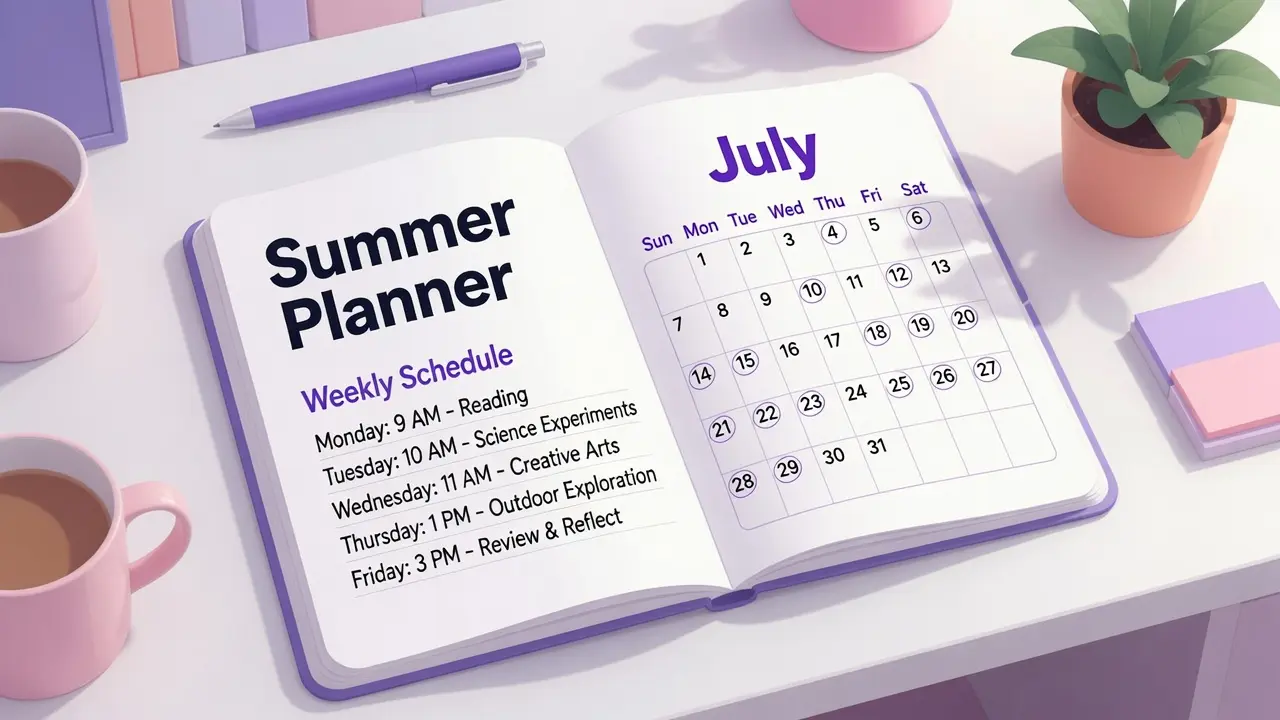
Use a shared document or a calendar to map out the week. Invite your child to suggest their own schedule for these activities. If they want to get their chores out of the way on Monday so they have more flexibility later in the week, let them propose that structure. This reinforces the idea that they are managing their own time within the guardrails you have established.
When you work together, you also gain insight into their priorities. You might find that your child values an hour of multiplayer gaming over an hour of social media, and understanding this allows you to create a plan that feels more relevant to them.
Handling Deviations and Consequences
Avoid shaming your child if they deviate from the plan. Treat a missed chore or an extra hour of screen time as a data point. Discuss what went wrong. Did they lose track of time? Was the activity they were doing particularly engaging? Use these moments to adjust the plan. If they struggle to stay within the agreed-upon limits, the consequence should be natural and predictable, such as a reduction in digital access the following day.
Practical Steps for Parents
- Hold a pre-summer meeting: Frame the plan as a way to ensure they get the most out of their summer freedom. Ask, "What do you want to accomplish or experience this break?"
- Keep the plan visible: A physical or digital calendar that both you and your child can access keeps the expectations front and center.
- Review the plan weekly: Spend five minutes every Sunday evening checking in. Ask them what worked, what didn't, and if there are any adjustments needed for the coming week. This demonstrates that you value their input and are willing to iterate based on reality.
By taking the time to write a realistic plan, you provide your 12-year-old with the structure they need to navigate their summer with purpose. This process does not just manage their screen time; it helps them develop the time-management and self-regulation skills they will need as they grow older.