
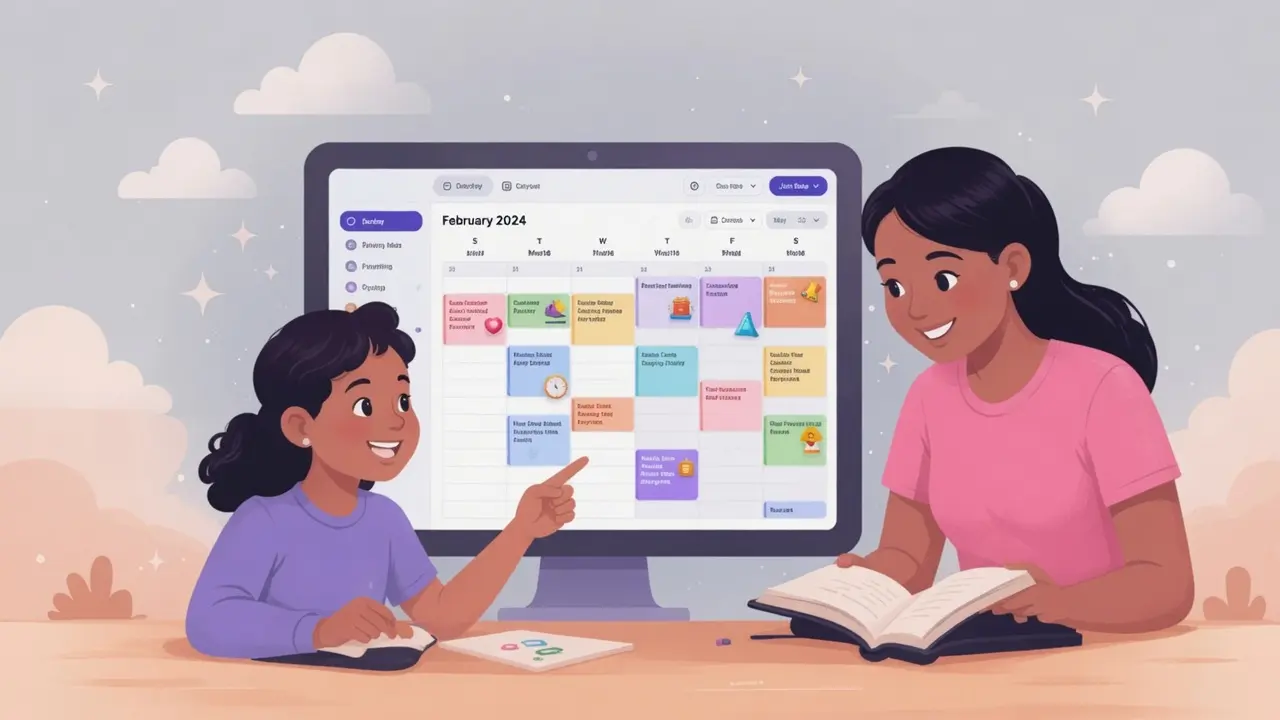
Writing a Summer Screen-Time Plan for a 10-Year-Old
The Need for a Realistic Summer Plan
At ten years old, children are in a transitional phase where they crave the unstructured freedom of summer but still require parental guidance to navigate their daily choices. A realistic summer screen-time plan is not about imposing arbitrary limits, but about creating a framework that balances the child's need for connection and entertainment with the necessity of daily responsibilities and physical activity. By developing this plan collaboratively, you set expectations that are clear, manageable, and grounded in your family's daily life.
Understanding the 10-Year-Old Development Stage
Ten-year-olds value autonomy and respond best to plans that they help create. When you treat the screen-time plan as a negotiation rather than a mandate, you move from enforcing obedience to fostering responsibility. Recognize that for a 10-year-old, screens are not just for passive viewing; they are essential tools for social interaction, learning, and creative expression. Your goal is to ensure these digital activities exist alongside, rather than instead of, their other summer pursuits.
Building a Collaborative Schedule
Avoid the trap of simply setting a daily 'limit' on hours. Instead, frame the plan around daily habits and goals. Use these strategies to structure the conversation:
- Establish Daily Essentials: Define non-negotiables such as outdoor time, reading, chores, and family meals. These provide the structure around which screen time can be scheduled.
- Implement Time Budgeting: Allow your 10-year-old to choose when to use their allotted digital time, provided the daily essentials are complete. This teaches them to manage their own schedule and prioritize tasks.
- Create Tech-Free Windows: Designate periods of the day, such as the first hour after waking or the last hour before bed, as tech-free to support physical health and sleep hygiene.
- Integrate Active Creation: Encourage your child to use part of their screen budget for creative projects like digital art, coding, or video editing, which can be exempted from the general 'entertainment' limit to promote a more productive relationship with their devices.
Practical Rules for Consistency
Consistency is the bedrock of any successful plan. Ensure that your 10-year-old understands the consequences of exceeding their time or neglecting their responsibilities. If they fail to meet a daily expectation, the natural consequence is a reduction in their screen time for the following day. Maintain a neutral and objective tone when enforcing these consequences; the goal is not to punish, but to demonstrate that rights and responsibilities are linked.
Evaluating and Adjusting the Plan
Summer schedules change. Plan to revisit your screen-time strategy every two weeks. Ask your 10-year-old how the plan is working for them. If they feel it is too restrictive, discuss how they might demonstrate more responsibility to earn more flexibility. This ongoing dialogue ensures that the plan remains relevant and continues to evolve as your child shows increased maturity.
Supporting Long-Term Responsibility
By involving your 10-year-old in the creation and maintenance of their summer screen-time plan, you are teaching them critical lessons about self-regulation and time management. These skills will serve them far beyond the summer months. Your role as a parent is to provide the framework and the guidance, but ultimately to trust your child to navigate their digital life. By staying engaged and maintaining an open line of communication, you guide them toward developing the habits necessary to manage their own digital presence with confidence and awareness.