3-Day STEAM Projects for Your Middle Schooler
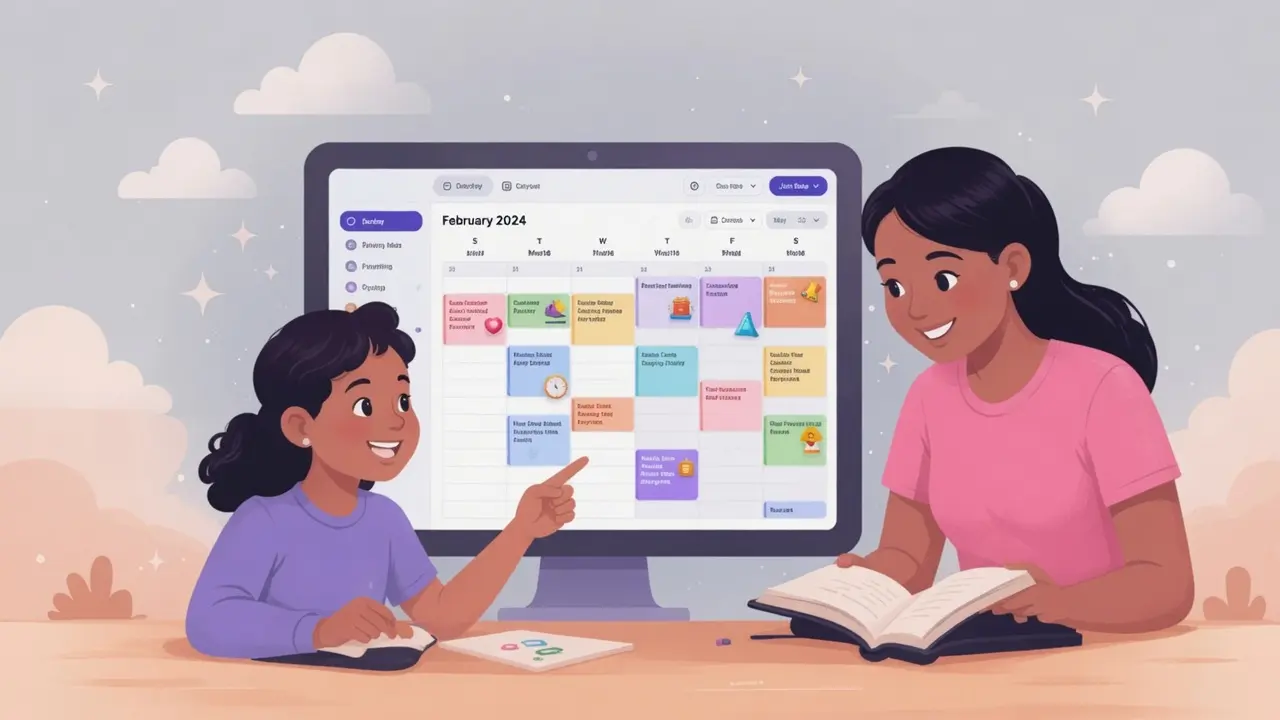
Mid-summer often brings a distinct lull for the middle school student. The initial freedom of the break has worn off, and the reality of unscheduled time can lead to a reliance on passive consumption. For a middle schooler, whose cognitive development is primed for abstract reasoning and systems-level analysis, this boredom is an opportunity to engage in complex, self-directed work. A three-day STEAM project provides the necessary time horizon to move beyond superficial tasks into deep, iterative problem solving.
Designing for Iteration
The key to a successful three-day project is the cycle of iteration. Middle schoolers are developmentally ready to understand that failure is not an end state but an input for the next cycle. When you present these projects, emphasize that the goal is not to produce a finished product on day one, but to refine an idea through trial, observation, and adjustment.
Day 1: Problem Definition and Research
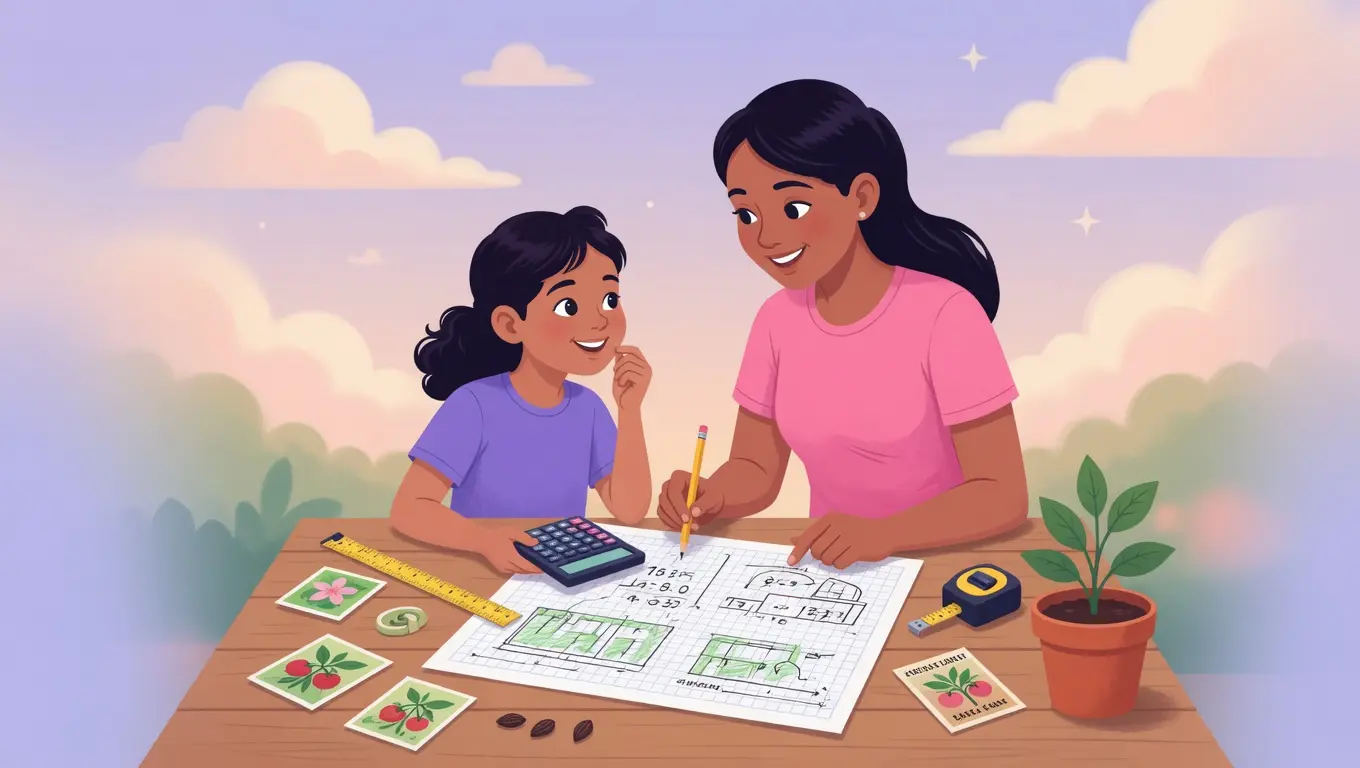
Start the project by identifying a measurable challenge. Rather than assigning a broad topic, such as building a robot, ask your child to solve a specific, localized problem. For example: How can we reduce the evaporation rate of our backyard garden soil? Or, what is the most efficient way to organize a small storage space using only recycled materials?
Spend the first day on research. Your child should document their initial hypothesis, investigate existing solutions, and list the variables they need to control. This phase teaches them to frame their inquiry logically and to identify the constraints, like budget, material, time, before they begin physical work.
Day 2: Prototyping and Data Collection
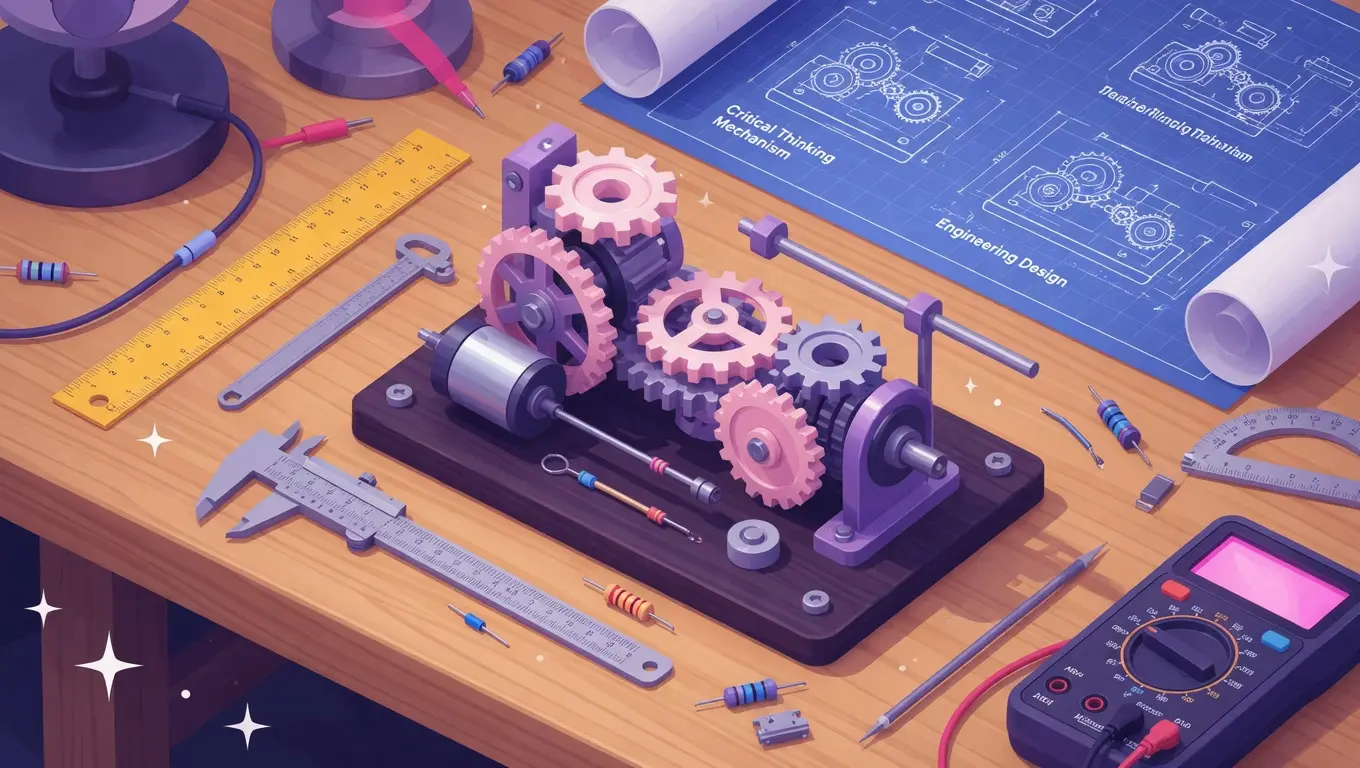
On the second day, shift to construction. The focus here is on the mechanics of their prototype. If they are building a structure or a piece of software, they should focus on getting a working version in place as quickly as possible.
As they build, they should be recording the process. Encourage them to capture the points where their initial design fails. If their irrigation system leaks or their code crashes, ask them to identify the precise moment of failure. This focus on the causal link between design choices and outcomes builds technical competence and emotional resilience.
Day 3: Testing and Conclusion
The final day is for stress testing and critical review. Your child should subject their prototype to a series of tests to see if it solves the problem they defined on the first day. Did the irrigation system actually reduce water usage? Did the storage solution improve accessibility?
If the result is successful, have them identify the variable that made the difference. If it failed, have them articulate why, based on the evidence collected over the previous two days. The conclusion is not about getting a perfect grade; it is about articulating a coherent narrative of discovery. By the end of this three-day arc, they should be able to explain their design choices, the obstacles they encountered, and the logic they used to navigate those challenges.
The Role of the Parent as Observer
Throughout these three days, your role is to provide resources and ask questions that challenge their assumptions. Avoid the urge to fix their mistakes. If you see a structural weakness in their design, do not point it out directly. Instead, ask: What do you think will happen when this piece is under load?
Allowing the child to witness the natural consequence of their engineering choices is the most effective way to help them develop independent judgment. This approach transforms a three-day project from a school-like task into a genuine exercise in technical and creative competence. When the project concludes, they will have developed a deeper understanding of how their own effort correlates with tangible results.