
Indoor Summer Learning for Your Middle Schooler
When temperatures climb during the summer, the challenge for parents of middle schoolers shifts from managing outdoor play to facilitating meaningful indoor engagement. At this developmental stage, students are capable of deeper abstract thought and complex problem solving. Moving past passive entertainment requires providing tools that allow them to explore their own interests through structured inquiry.
The Developmental Need for Autonomy
Middle schoolers are increasingly focused on their own identity and autonomy. They no longer benefit from the simple craft activities that worked in elementary school. Instead, they seek agency. The most effective summer activities provide a framework, while leaving the execution and final result to the child. This shift fosters a sense of competence that rote tasks cannot replicate.
Data Analysis and Mapping Projects
Instead of assigning a generic task, provide your child with a real-world dataset or a logistical problem. For instance, have them analyze the energy consumption of your home during the hottest month of the year. They can track the daily temperature against the electricity bill and hypothesize which appliances or usage patterns are the primary drivers. This requires them to manage variables, create charts, and derive conclusions based on evidence rather than opinion.
Collaborative Technical Exploration
Middle schoolers often thrive when they understand the mechanics behind the world they inhabit. Challenging them to debug a simple piece of software, wire a basic circuit, or deconstruct a broken household device provides practical experience in systems thinking. Rather than giving them a set of pre-written instructions, offer them a malfunctioning item or a broken code snippet and ask them to map the causal chain of the failure. This process encourages them to view problems as puzzles with logical solutions rather than obstacles.
Critical Research and Media Literacy
Summer is an ideal time to refine research skills away from the pressure of the school year. Ask your child to investigate a contemporary topic that interests them by comparing three disparate sources on the same subject. They should look for conflicting data, differing viewpoints, and logical fallacies within the arguments presented. By focusing on media literacy, they learn to evaluate information critically, a skill that is vital for their academic and personal growth.
Managing Natural Consequences
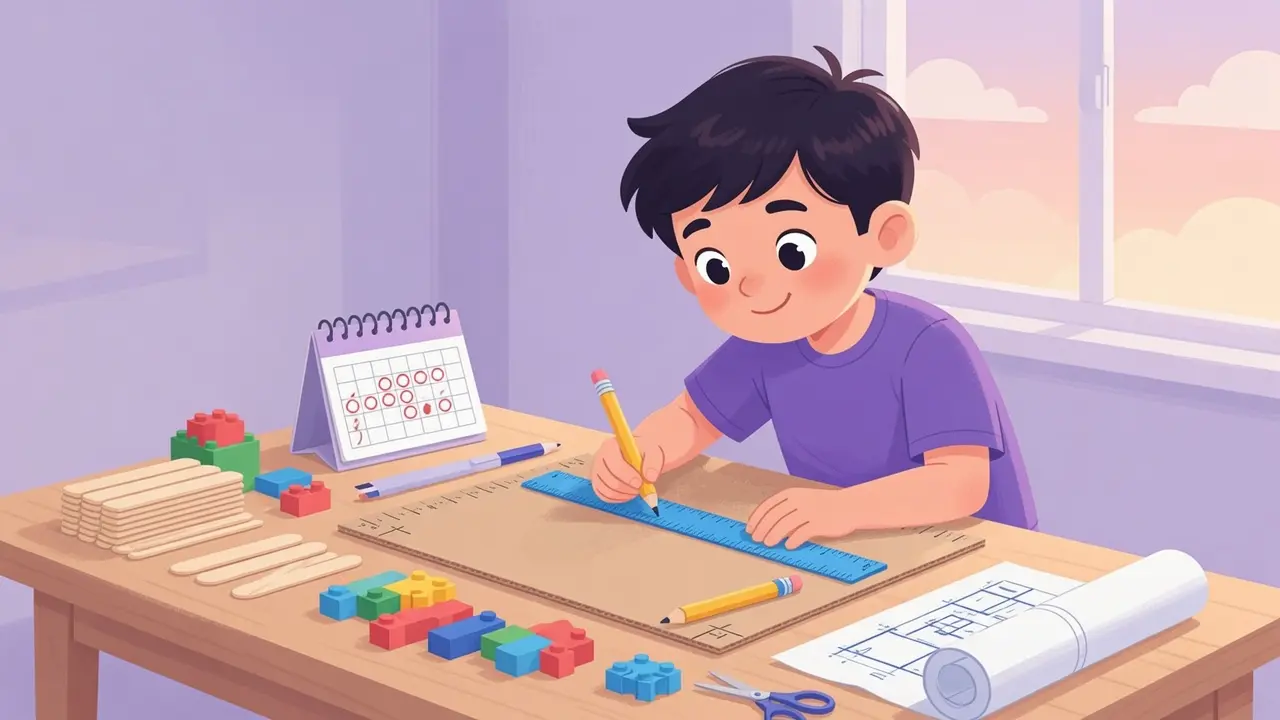
When initiating these activities, the goal is to observe the natural consequences of their planning. If they decide to build a cardboard prototype of a structure, the structural integrity of the design is the feedback mechanism. Allow the failure to occur, then ask guiding questions about why the structure failed. This collaborative problem-solving approach is far more effective than providing instructions on how to build it perfectly the first time. The focus remains on discovery and the application of logic.
A Framework for Sustained Interest
By prioritizing projects that require sustained effort and critical judgment, you help your child cultivate a sense of ownership over their summer. You are not the designer of their experience; you are the provider of resources and the observer who asks the necessary questions to help them deepen their understanding. As the heat remains high, these activities will provide a constructive path for their intellectual development while respecting their growing independence.
Through deliberate, objective, and intellectually stimulating projects, your middle schooler can transform summer downtime into an opportunity for growth and personal exploration.