
Rainy Day Summer Activities for Older Elementary Kids
Rainy summer days often create a vacuum that is too easily filled by passive screen time. For parents of older elementary students, the challenge is to offer alternatives that are as accessible as a tablet but provide far more cognitive value. This age group has the focus and skill set to engage in complex, multi-step tasks. By curating a selection of low-barrier, high-engagement activities, you can turn a rainy afternoon into a time of productive discovery.
The Logic of Analog Games and Construction
When the outdoor options are closed, shift your child’s focus to activities that demand strategic input. Complex board games, card games, or intricate construction sets are far superior to digital games because they require tangible, spatial reasoning. For an older elementary student, consider games that involve planning, resource management, or social negotiation.
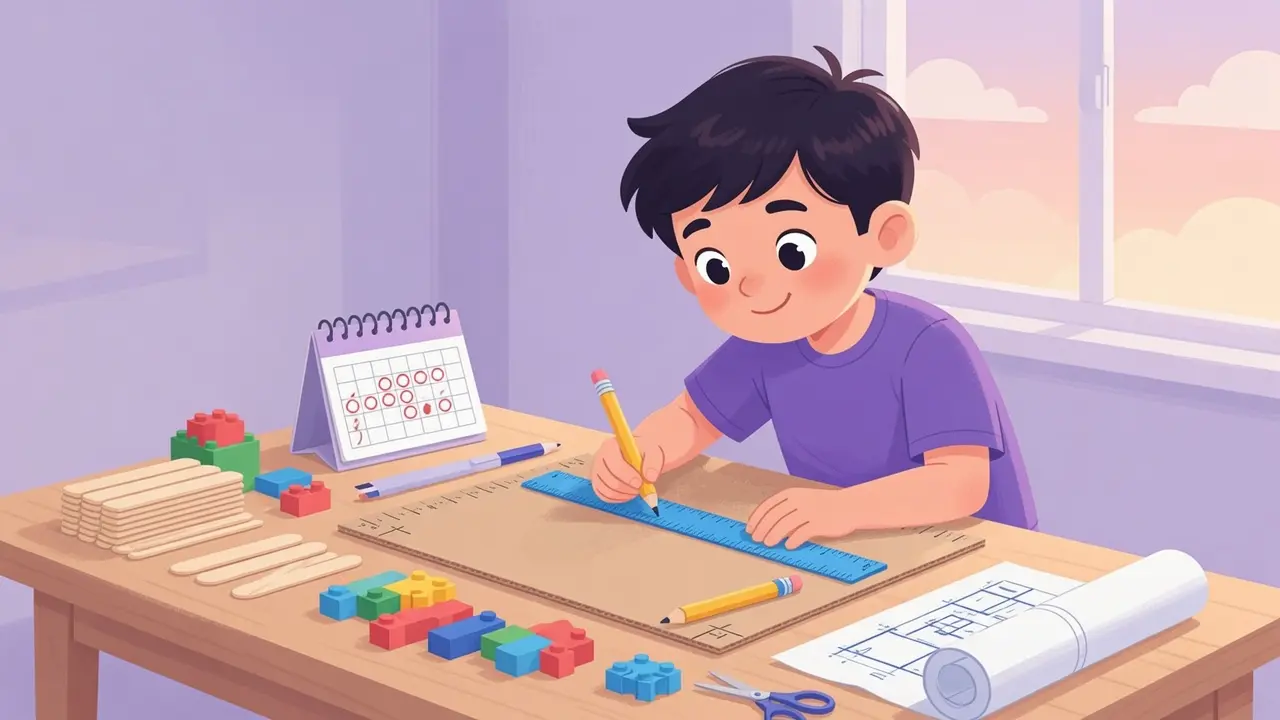
If you prefer construction, provide a set of open-ended building materials. Challenge them to create a replica of a building they admire or an original design for a functional home. The constraint of using physical materials forces them to confront the realities of physics and stability in ways that digital simulations do not. This helps them build a foundation of spatial and logical competence.
Investigative Reading and Documentation
Rainy days are perfect for long-form exploration. Suggest that your child pick a topic that has piqued their interest recently and spend the afternoon researching it using physical books. Encourage them to act as a curator, gathering information and organizing it into a report, an illustrated guide, or a presentation.
This is not about rote memorization but about synthesizing information. Have them create a visual map of the ideas they find or write a short narrative explaining why this topic is significant. This process of translation, from consumption to creation, makes the reading habit active rather than passive. It turns a lazy afternoon into a structured intellectual inquiry.
Developing Creative Skills and Hobbies
Use the rain as a justification for a sustained creative session. Older elementary students have the fine motor skills and patience required for more sophisticated hobbies. Whether it is learning to play a complex instrument, practicing digital art design, or engaging in detailed model building, the goal is to provide a challenge that requires practice and iterative effort.
Frame these activities not as tasks to finish, but as a practice to refine. When they hit a wall, ask questions that help them troubleshoot their technique. If they are struggling with a complex drawing, focus the conversation on how to break the subject down into basic geometric forms. This teaches them how to approach any difficult skill by deconstructing it into smaller, manageable parts.
Facilitating Success Without Interference
Your role during these rainy days is to provide the resources and create the environment for concentration. Avoid the impulse to direct their efforts. Instead, be the listener who takes their work seriously. Ask questions that prompt them to elaborate on their thought process. By focusing your attention on their intellectual progress, you signal that their work is valuable and worthy of their own sustained effort.
Concluding Thoughts
Replacing mindless scrolling with meaningful work is about providing better tools and clearer challenges. When you give your older elementary student the space to explore complex problems or refine their own skills, you help them develop the ability to find satisfaction in their own output. Rainy days become an opportunity for independent growth, proving that they do not need digital distraction to fill their time effectively.