Best Tween Indoor Educational Activities for Hot Summer Days
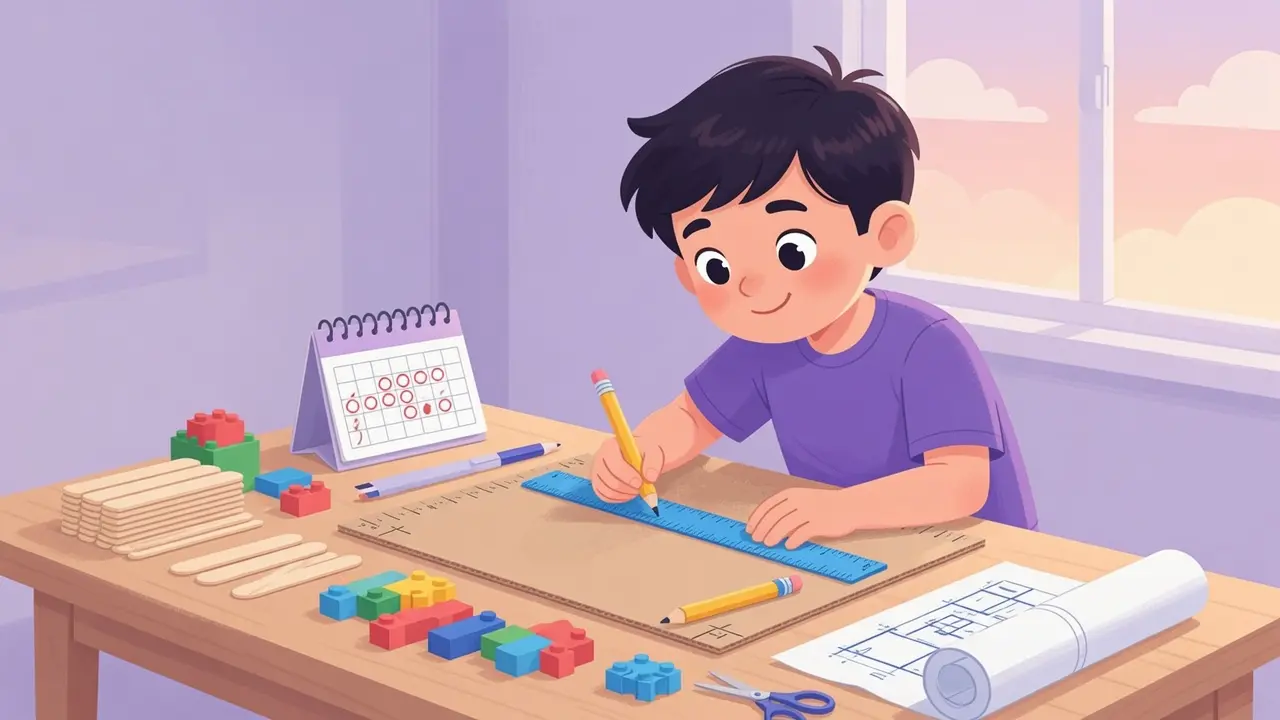
When outdoor temperatures climb, the natural urge for a tween is to retreat into air-conditioned spaces. While this often leads to extended screen time, it also provides an opportunity to engage in complex, multi-day intellectual tasks that the school year rarely permits. Tweens at this age are developing greater capacities for abstract thought and independent project management. They are no longer satisfied with simple craft projects designed for younger children. They require tasks that present meaningful challenges and allow for personal experimentation.
The Developmental Shift in Summer Boredom
Around the ages of 10 to 13, children transition from concrete operational thinking to formal operational thinking. They start to appreciate nuance and are capable of considering long-term consequences. This makes summer the ideal time to move away from adult-led activities and toward self-directed inquiry. When a tween complains about the heat, the goal is not to fill their time with another pre-packaged activity, but to provide a framework where they can explore their own questions.
Designing Indoor Labs at Home
Creating a space for discovery requires more than just gathering materials. It requires space where a tween can leave a project in progress without the pressure to clear it away immediately. Dedicating a corner of a garage, a spare room, or even a large dining table allows them to maintain focus over several days.
One effective project involves analyzing indoor climate control. Have your tween monitor the temperature differences between various rooms in the house using a basic infrared thermometer. They can log this data over 48 hours and create a thermal map of the home. This requires them to learn how to represent data visually, understand thermodynamics, and perhaps suggest modifications to air circulation that actually improve comfort. This is not a hypothetical exercise; it is a direct application of physics to their immediate environment.
Mechanical and Digital Engineering
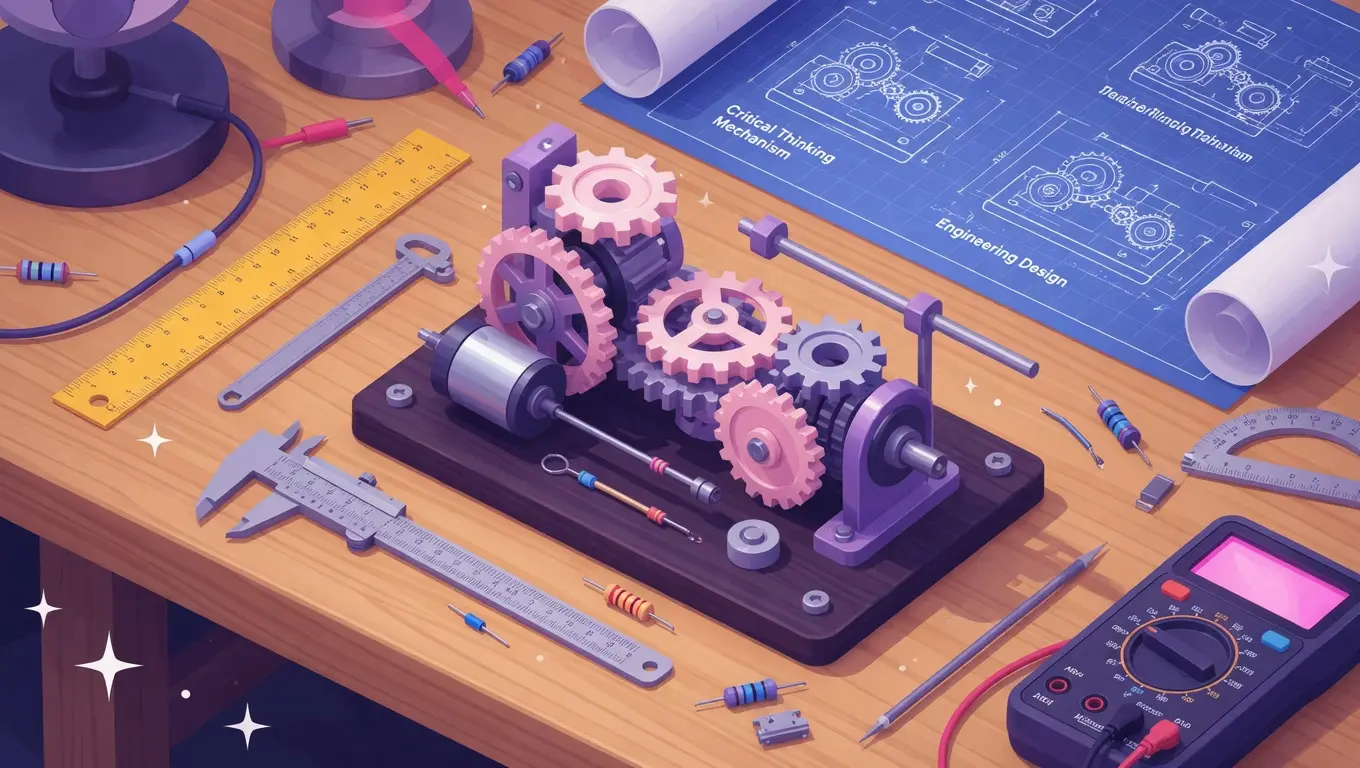
Another approach is to delve into mechanical engineering using kits or loose parts. Rather than following a set of instructions, challenge your tween to build a machine that performs a specific task. For example, can they design a Rube Goldberg device that transports a glass of water from the kitchen counter to the living room table without spilling? This requires them to account for gravity, momentum, and friction. They will fail multiple times. That failure is where the real learning happens. When the device tips over or the marble stops moving, they are forced to troubleshoot the cause of the failure and test a new hypothesis.
Deep-Dive Analysis Projects
Tweens are often deeply interested in the complexities of the systems around them. Suggest that they select a topic they find fascinating and produce a rigorous analytical report on it. This could be anything from the history of local architecture to an investigation of how urban planning affects neighborhood heat islands. They can use online archives, public library databases, and local historical society records. The objective is to synthesize information from multiple sources, distinguish between primary and secondary accounts, and construct a logical argument.
Managing Frustration and Independence
One common challenge for parents is knowing when to step in. A tween may reach a point of frustration where they want to abandon the project. Instead of solving the problem for them, ask guiding questions. Ask, What part of the mechanism is failing? What happens if we move this weight slightly to the left? Help them articulate their thought process. By treating them as partners in an inquiry, you respect their emerging autonomy while providing the necessary support to move past roadblocks.
Moving Beyond Passive Consumption
Indoor activities during heat waves should focus on active production rather than passive consumption. If your tween is interested in digital media, challenge them to go beyond gaming or watching videos. Have them build a basic website or write a script for an educational video on a topic they feel they understand well. They will need to structure their content, design an interface, or learn basic coding concepts. These are not just hobbies; they are skills in digital literacy that will serve them well in the future.
Conclusion
Extreme heat does not need to mean a loss of productivity or an increase in mindless scrolling. By providing your tween with space, the right tools, and the freedom to experiment, you turn a period of confinement into a time of significant discovery. The key is to remain a facilitator rather than a director. Allow them the space to manage their own time, encounter their own obstacles, and eventually, experience the satisfaction of completing a project they initiated themselves.