3-Day STEAM Projects for Older Elementary Summer Boredom
By mid-summer, the initial thrill of freedom has often faded into a predictable cycle of aimless time. For parents of older elementary students, this stage presents a unique opportunity to shift the focus from passive leisure to sustained engagement. Older elementary children have the cognitive capacity to manage multi-day tasks, handle frustration through iterative design, and connect disparate concepts. A 3-day STEAM project serves as an ideal framework to anchor their days, providing a clear beginning, a productive middle, and a reflective end.
Day 1: Conceptualization and Prototyping
Start the project by presenting a specific challenge rather than a vague objective. Instead of just suggesting a science project, pose a problem that requires a functional solution. For example, challenge your child to design a way to keep a small object cool in the sun without using a refrigerator, or to create a simple machine that moves an object across a room.
Dedicate the first day to research and planning. Encourage your child to sketch their ideas and list the necessary materials. For an older elementary child, this is the time to ask, "What are the potential failure points?" and "How will you test your design?" By forcing this planning phase, you help them understand the importance of preparing for potential outcomes before they start building.
Day 2: Execution and Iteration
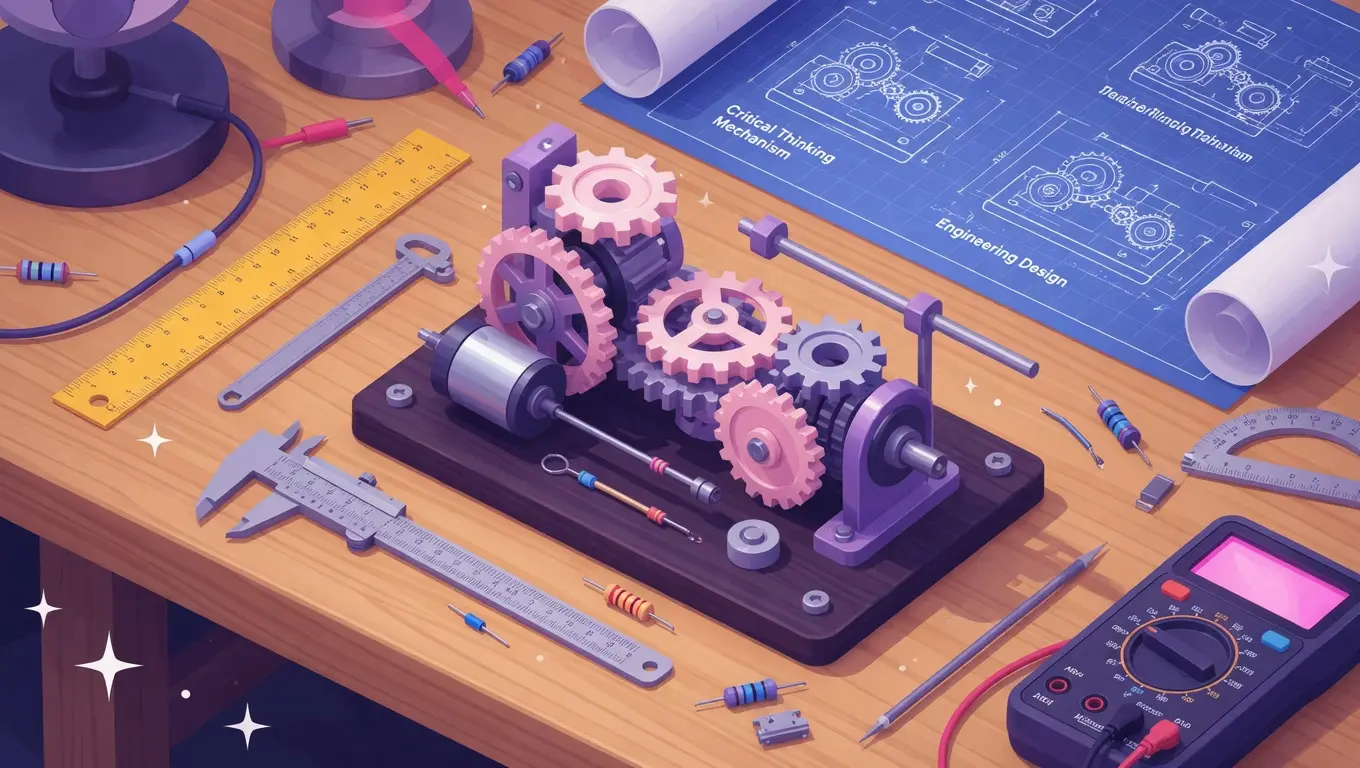
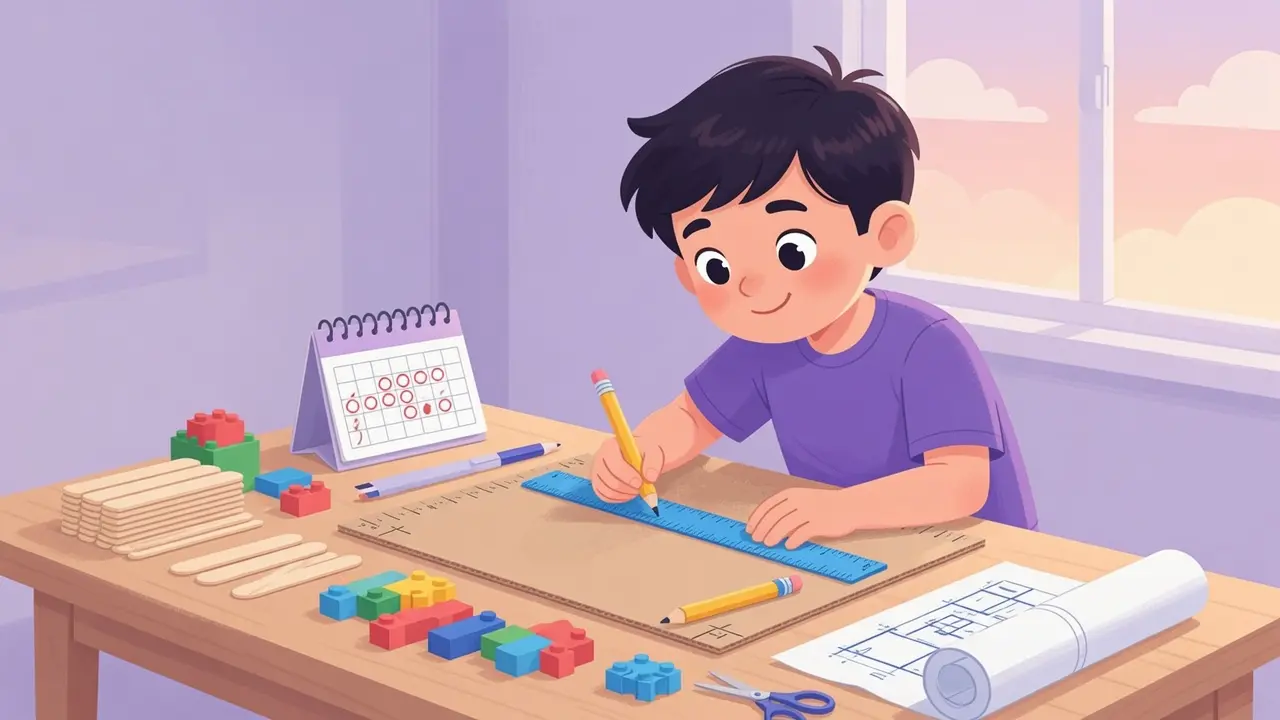
Day two is the construction phase. Provide the resources they identified on the first day, but resist the urge to correct their errors as they build. If their design wobbles or fails to perform as expected, treat these as data points rather than mistakes. Ask questions like, "What did you expect to happen versus what actually happened?" or "How could you adjust the balance to change the result?"
This stage is about building resilience through logic. If a connection fails, help them analyze the physics of the joint. If a mechanism slips, examine the leverage. This turns the frustration of failure into a process of investigation. The goal is to keep them working on their own solution, moving beyond initial frustration to find a working mechanism.
Day 3: Testing and Documentation
On the final day, focus on rigorous testing and reflective documentation. Have your child subject their project to a series of tests that measure its success. If they built a delivery device, how much weight can it transport? How consistently does it perform?
After testing, have them write a brief report or create a presentation explaining their process. This could include a summary of the initial problem, their design iterations, and a conclusion on why the final version worked. This documentation forces them to synthesize their experience, moving from the tangible act of building to the intellectual act of explaining their work.
The Role of the Parent as Facilitator
Throughout these three days, your role is to provide the environment, not the curriculum. You are the supplier of materials, the question-asker, and the listener who takes their work seriously. When your child encounters a roadblock, do not offer a solution. Instead, offer a perspective that encourages them to look at the problem from a different angle.
This approach teaches them that they are capable of solving complex problems on their own. It also demonstrates that time, effort, and iteration are the natural ingredients of any meaningful work. By structuring their summer boredom into these three-day cycles, you equip them with a practical method for self-directed learning that they can apply to their interests throughout the rest of the year.