A 7th Grader Learning 3D Design Modeling
Developing Spatial Reasoning Through 3D Design
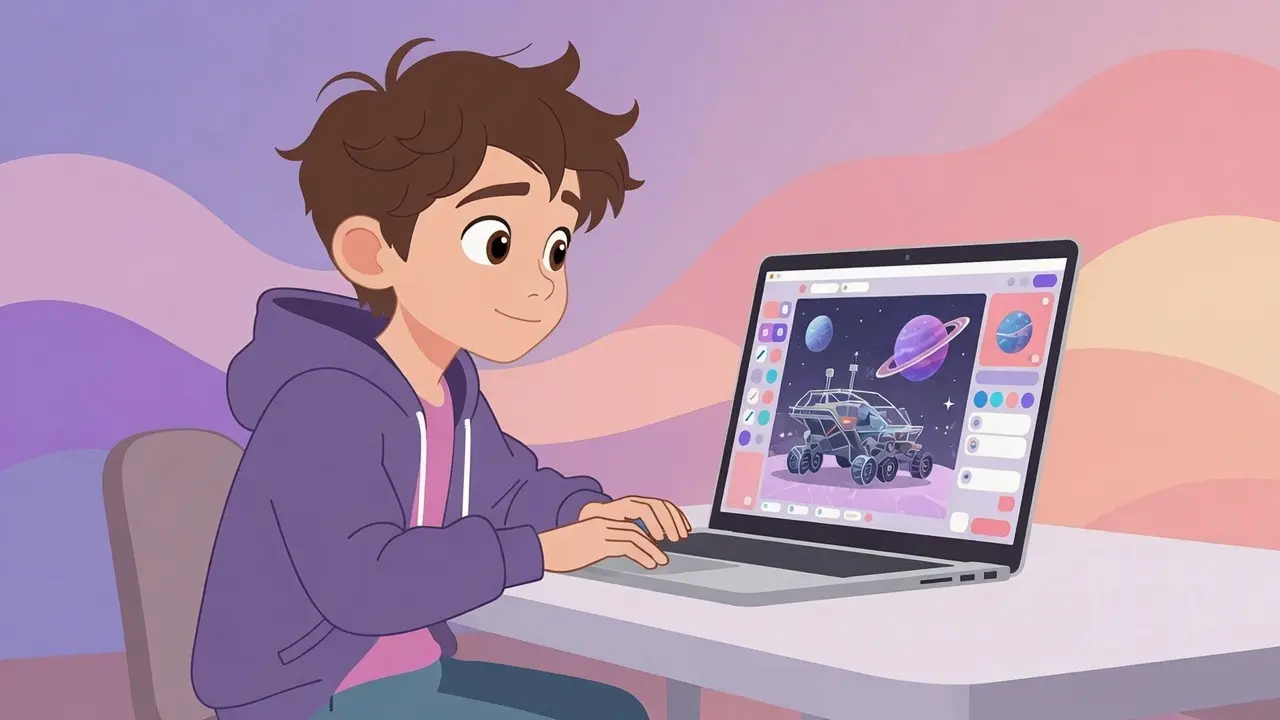
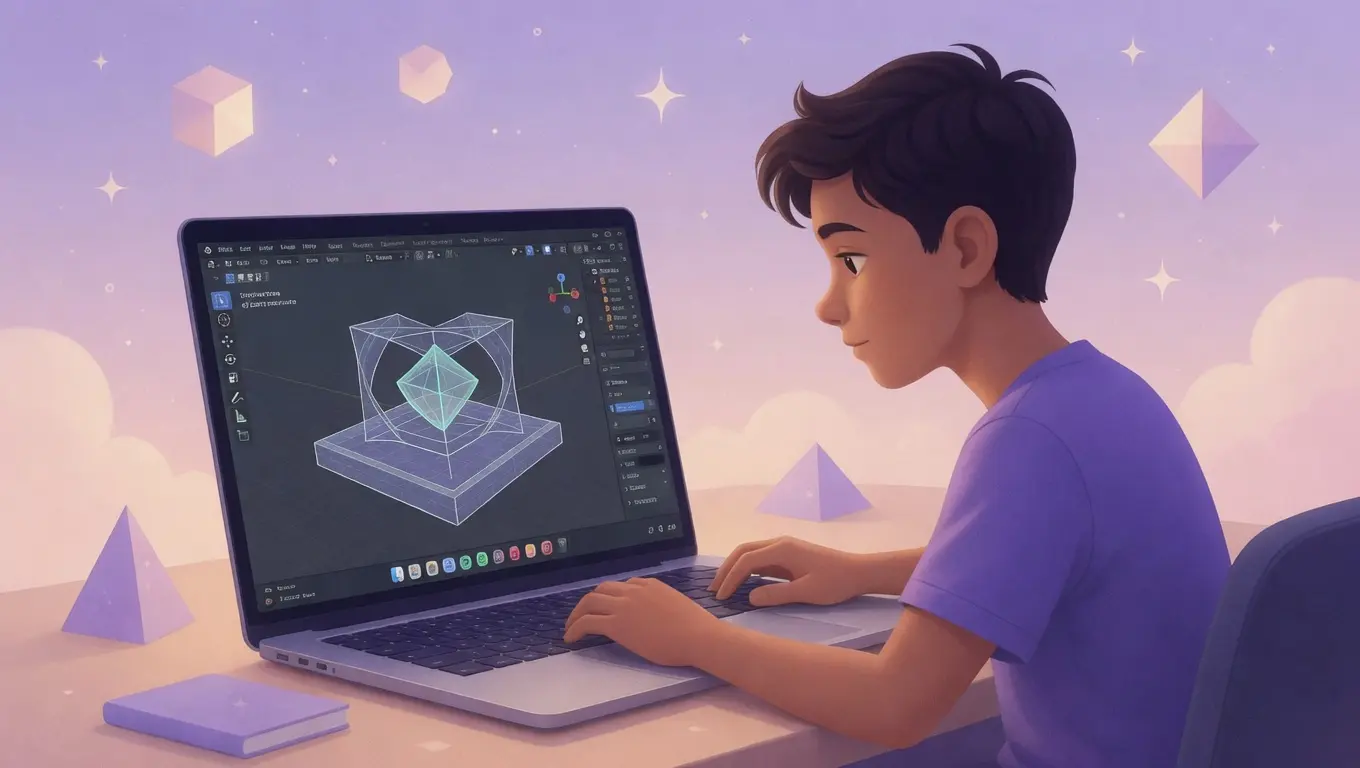
For a 7th grader, the leap from two-dimensional drawing to three-dimensional modeling is a significant cognitive milestone. At thirteen, children are transitioning from concrete to abstract operational thinking. Designing in 3D requires them to visualize complex objects in space, manipulate variables, and predict how shapes interact. This is not just a digital art project; it is an exercise in engineering logic and spatial reasoning.
Establishing a Focused Learning Path
Avoid overwhelming your child with professional-grade software suites that prioritize features over accessibility. Instead, select an age-appropriate platform that allows them to build quickly. The goal is to bridge the gap between their initial idea and a tangible digital model. Whether they are interested in game assets, architecture, or mechanical parts, start with small, modular projects. Ask them to design a functional object, such as a custom pencil holder or a modular gaming controller stand, rather than an sprawling fantasy landscape.
The Iterative Process and Error Analysis
3D modeling involves constant revision. A 7th grader may be prone to frustration when a design does not render or assemble correctly. Use these moments to practice error analysis. Ask them to describe what specific command or geometric constraint caused the failure. Instead of solving the issue for them, have them review their steps. Did they define the base correctly? Did they account for the tolerances of the assembly? Teaching them to view a failed render as a data point rather than a failure builds technical resilience.
Balancing Creativity with Constraints
Creativity thrives within boundaries. If your child wants to design an elaborate spaceship, introduce constraints based on real-world physics or material limitations. Ask how their design would handle stress, or how it would be manufactured. These questions force them to consider the utility of their work. A 7th grader is capable of understanding that a visually striking model still needs a logical structural foundation. Balancing the aesthetic choices with structural integrity is a lesson that translates across many technical disciplines.
Sustaining Interest and Documentation
Summer breaks can easily lead to a project being abandoned halfway through. Help your child maintain momentum by establishing a clear documentation process. Encourage them to keep a project journal where they capture screenshots of different versions of their design. This archive provides a record of their progress and helps them reflect on what they learned from each iteration. When they look back at their first model compared to their tenth, the visible improvement acts as intrinsic motivation to continue refining their skills. By focusing on the process of creation rather than the final output, you equip your child with a methodology that they can apply to any complex technical project.