Backyard Physics Fun for Your 2nd Grader
Understanding Physical Laws Through Action
At seven or eight years old, children are naturally inclined to test the boundaries of their physical world. They are beginning to move from simple play to understanding the forces at work behind their observations. Backyard physics offers a perfect environment for a 2nd grader to explore concepts like gravity, friction, and structural integrity through hands-on testing. By framing these experiments as engineering challenges, you help them understand that the world follows logical, predictable patterns.
Gravity and Potential Energy Experiments
One of the most accessible ways to teach physics is through the study of motion on an incline. Challenge your 2nd grader to build a ramp using boards, cardboard, or heavy books. Once the ramp is constructed, ask them to test how high they must raise it to get a toy car to travel across different surfaces like grass, patio concrete, or a rug.
This experiment introduces the concept of gravitational potential energy and friction. The child must hypothesize which surface will provide the most resistance and why. After they test each surface, record the results and discuss why the car traveled further in some instances than others. This teaches them to isolate variables, such as surface type, while maintaining constants like the ramp angle.
Engineering Structural Stability
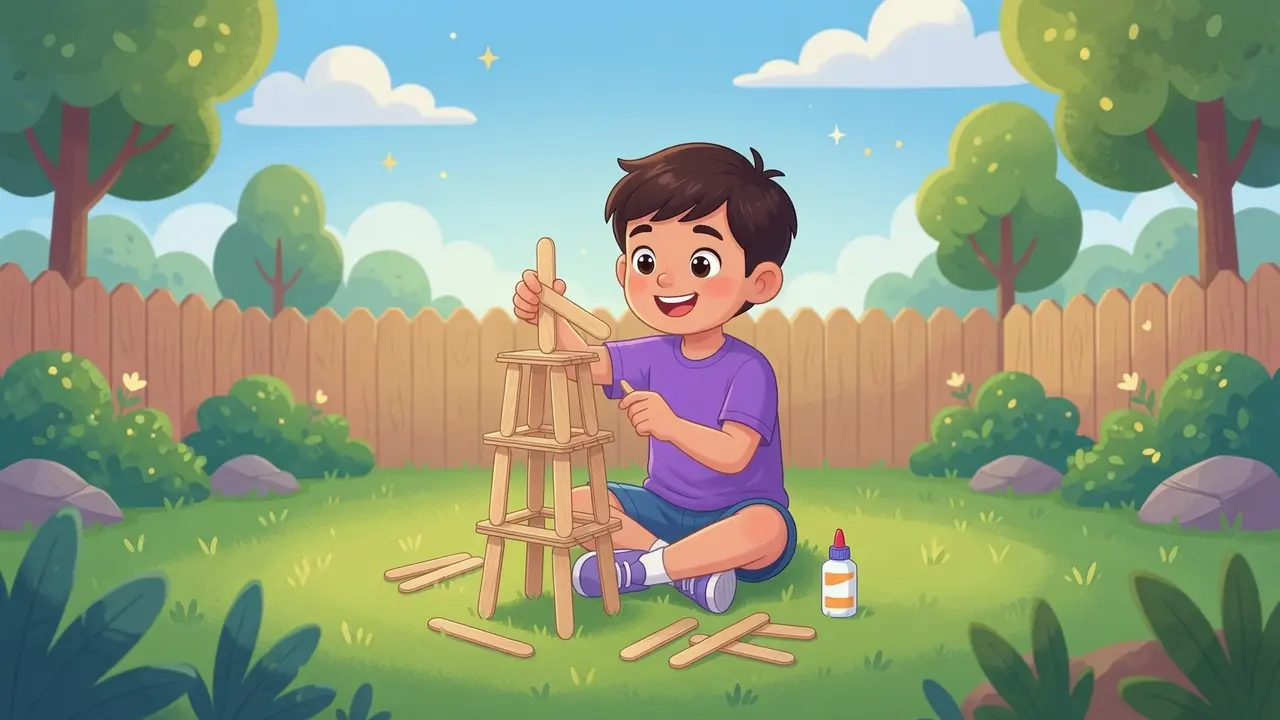
Challenge your 2nd grader to build a tower that can withstand specific tests. Use everyday items like plastic cups, wooden blocks, or playing cards. Before they start, ask them to plan their design. Discuss why certain shapes, like triangles, provide more stability than squares or rectangles.
After they build a structure, introduce a stress test. You might use a small fan to test wind resistance or ask them to place light weights on the levels of the tower. If the structure collapses, treat it as a data point. Why did the tower fail? Was it top-heavy? Was the base unstable? This iterative process is the core of engineering. It helps the 2nd grader realize that failure is a necessary part of the design process and provides insight into the 'why' of architectural success.
The Physics of Balance and Levers
Simple machines like levers are fundamental to understanding force multiplication. Set up a simple seesaw in the backyard using a sturdy board and a fulcrum like a round rock or a log. Have your 2nd grader experiment with placing weights of different sizes at various distances from the center.
Ask them to predict where to place a lighter object to balance a heavier one. This experiment explores the relationship between mass, distance, and force. They will quickly learn that moving an object further from the fulcrum changes the effort required to lift it. This practical experience builds an intuitive understanding of torque that they will encounter in more formal settings later.
Air Resistance and Parachutes
Building a parachute for a toy is an excellent way to study air resistance. Use materials like tissue paper, string, and a small action figure. Have your 2nd grader construct different sized parachutes and test how long each one takes to reach the ground.
Ask them to observe the difference between a small parachute and a large one. Why does the larger one descend more slowly? This experiment allows them to visualize air as a physical force that pushes against objects. It encourages them to consider how design affects speed and movement, a core concept in aerodynamic engineering.
Critical Reflection and Future Inquiry
Throughout these experiments, your role is to act as a partner in investigation. When your 2nd grader encounters a problem, avoid giving them the solution immediately. Ask them what they observe and what they think might happen if they changed one parameter of their experiment.
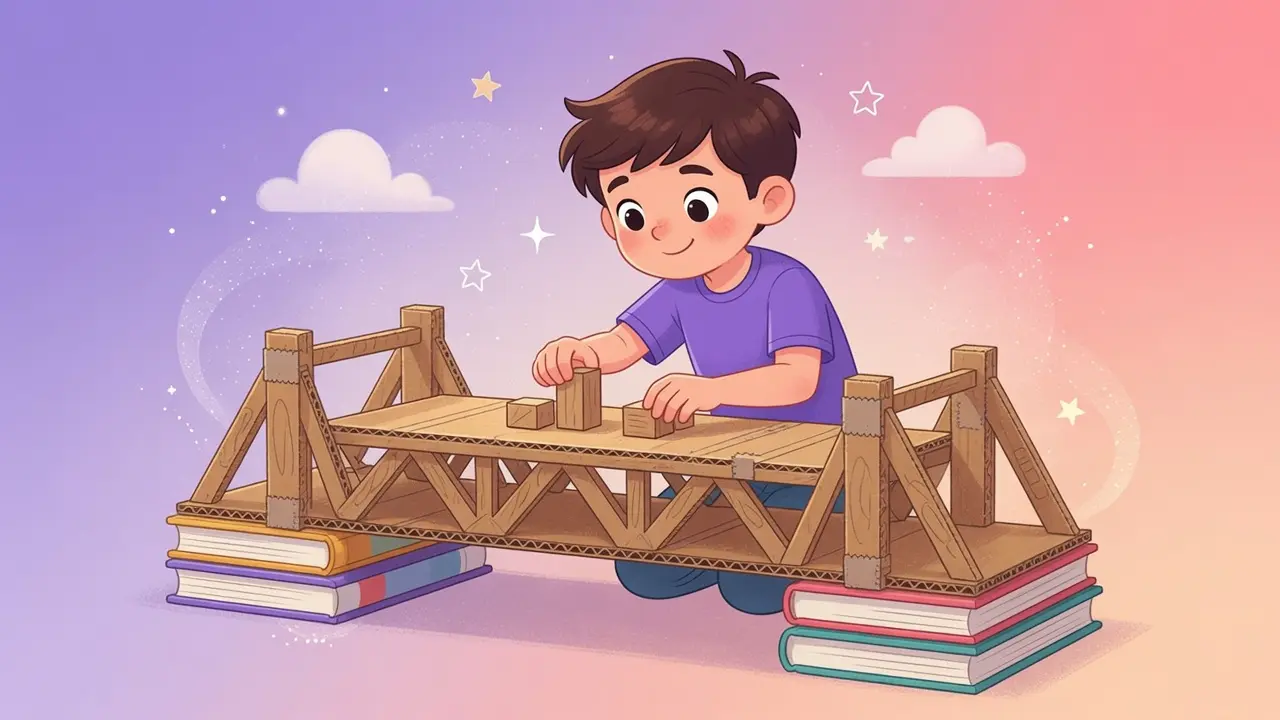
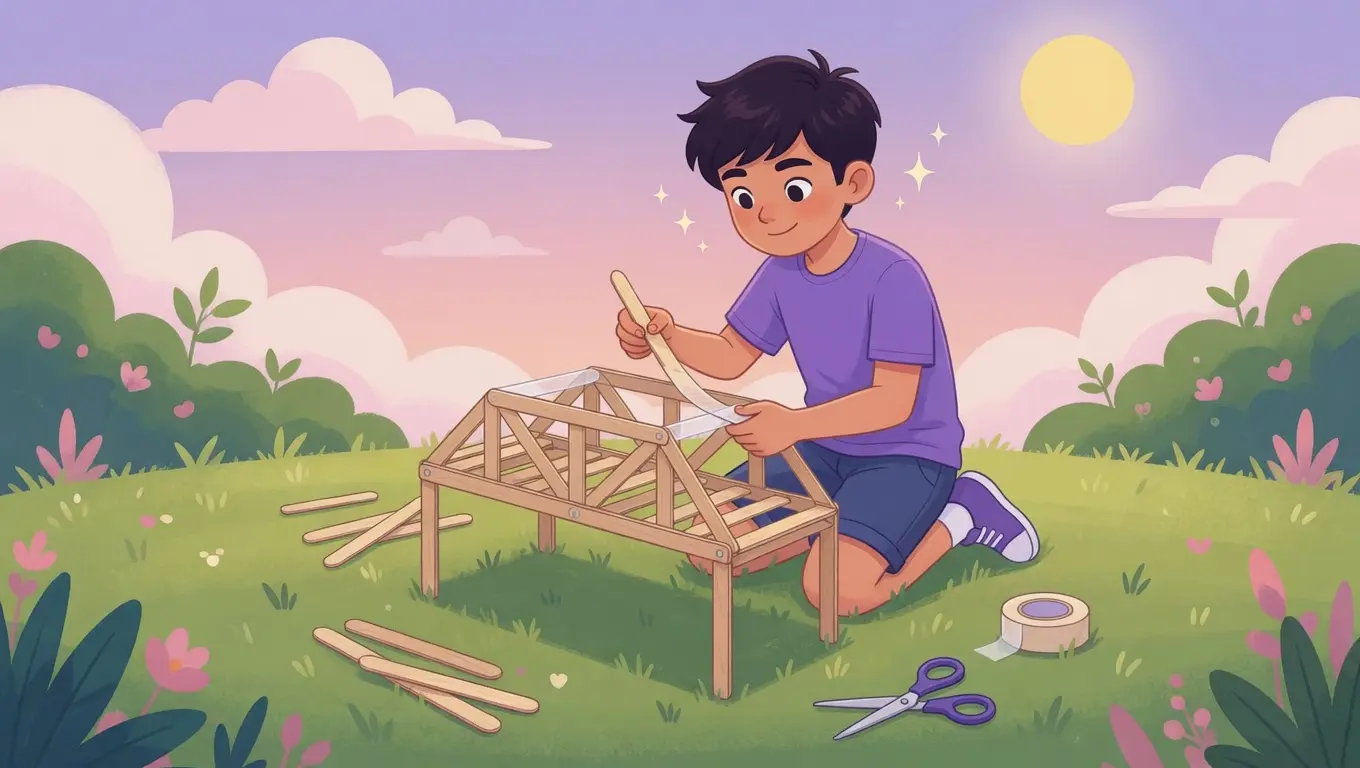
If the bridge they built collapses under weight, ask them to analyze the point of failure. By questioning their reasoning, you help them develop the analytical skills required to bridge the gap between simple play and scientific inquiry. Summer provides the time and space for this kind of deep engagement. By the time they return to the classroom, your 2nd grader will have a solid, intuitive foundation of physical principles that will serve them well in their ongoing academic journey.