
Boost 6th Grader Writing Skills Through Summer Journaling
Moving Beyond the Daily Log
For many parents of a 6th grader, keeping writing skills sharp over the summer feels like a battle against the inevitable decline of formal academic practice. The common approach of asking for a daily summary of events often results in shallow, repetitive prose that fails to challenge the child. A 6th grader is at a critical developmental point where they can shift from mere narrative reporting to developing a voice that uses evidence, structure, and intentional word choice.
To maintain and advance these skills, shift the focus of summer journaling from recording facts to documenting investigations and forming arguments. Treat the journal not as a diary, but as a field notebook where the goal is to capture the 'how' and 'why' of their summer experiences.
The Field Study Format
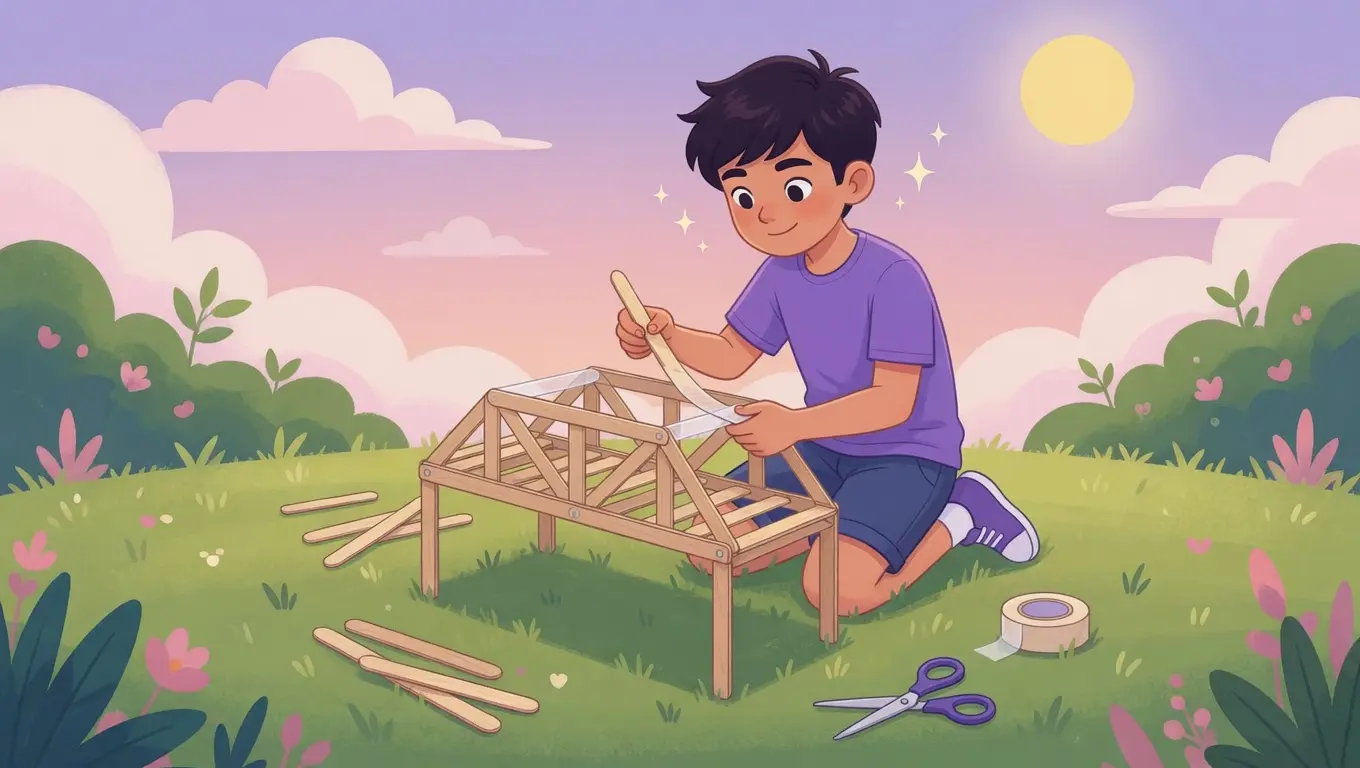
Encourage your 6th grader to adopt a field study approach. If they spend a day building a model, playing a complex game, or observing local wildlife, have them record the process as an experimental report. They should detail the objective, the methodology they followed, the obstacles they encountered, and the conclusion they reached based on the outcome.
This structure enforces logical flow and prevents the drift into aimless narration. It requires them to choose precise verbs and clear transitions. For example, instead of writing 'we built a base,' have them describe the structural choices they made, the materials used, and why those materials were selected over alternatives. This level of descriptive detail is essential for building formal composition habits.
Analytical Reflection and Peer Exchange
Writing is a communication tool, and its quality often improves when the writer knows they have an audience. If you have multiple children or friends engaged in similar projects, set up a rotating review system. Each week, have your 6th grader prepare a short analysis of their most interesting project or experience from the previous few days.
Before they finalize their entry, ask them to identify the main point of their writing. Does their text effectively support that point with evidence? This is the foundation of argumentative writing. If their entry is descriptive, ask them to find one paragraph where they could improve the imagery or precision of their language. By treating their writing as a living draft that can be refined, you move them away from the idea that writing is a one-and-done chore.
Documenting the Logic of Discovery
Use journaling to capture the development of their ideas over time. If they are working on a long-term project, have them devote sections of their journal to tracking their thoughts. How has their perspective on the project changed? What new information have they uncovered? This encourages them to synthesize their thoughts into a coherent narrative. It helps them see the relationship between their initial assumptions and the final result of their investigation.
Focus on the cause and effect of their experiences. Why did one approach yield a better result than another? By forcing them to document the internal logic of their discovery, you help them understand that writing is not just about grammar and vocabulary; it is about organizing complex thoughts into a form others can understand.
Concluding Thoughts
Summer journaling for a 6th grader is not a chore to keep them busy; it is a laboratory for composition. By framing their entries as reports, analyses, and reflections, you teach them that clear writing is the byproduct of clear thinking. Maintain a collaborative environment, provide constructive feedback on their logic and precision, and watch as their ability to articulate their ideas develops throughout the break.