Building a Podcast for a 5th Grader
Moving from Passive Media Consumption to Active Creation
A 5th grader, at 10 or 11 years old is uniquely positioned to transition from a consumer of digital media to a creator. A podcast project offers a concrete framework for developing skills in research, scriptwriting, and logical communication. Rather than viewing media as a static product, your child can learn the mechanical steps required to build a coherent narrative. This project demands more than just talking; it requires a structured approach to planning, recording, and editing that aligns with the developmental capabilities of a pre-teen.
Establishing the Scope and Topic
The most common error is allowing a child to start a podcast without a clear plan or end date. A 5th grader often lacks the internal motivation to sustain a long-term, open-ended series. Instead of a permanent show, propose a mini-series of four episodes with a fixed topic. Whether they want to discuss space exploration, book reviews, or local history, require them to draft a simple outline for each of the four episodes before they record a single minute of audio. This forces them to consider the structure of their story and the logical flow of their ideas.
The Technical Workflow of Audio Production
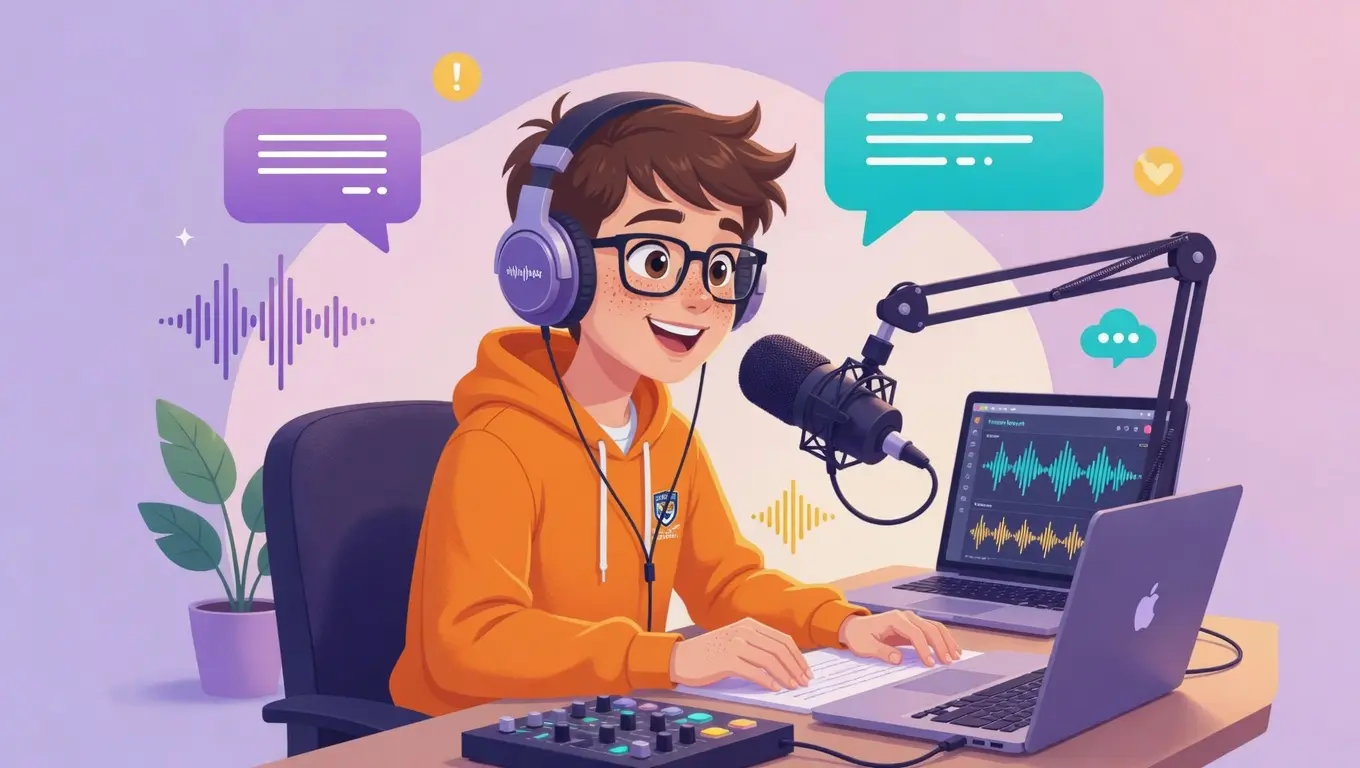
Audio production provides an excellent context for understanding cause and effect. Help your child set up a basic, quiet recording space. Teach them the importance of signal-to-noise ratio in practical terms: background fans, lawnmowers, or air conditioners affect the quality of their file. Introduce them to simple, non-destructive editing software. Show them how to cut out mistakes and balance volume levels. By having them engage with the technical process, you help them understand that high-quality output requires careful preparation and iterative refinement of their work.
Developing Original Narratives
Encourage your child to prioritize original content over simply reciting facts. If they are reviewing a book, ask them to identify one element of the story that surprised them and explain why. This shifts the focus from rote regurgitation to active analysis. Your role is not to write the script, but to act as an objective consultant. Ask questions such as: Does this transition make sense? Did you explain your point clearly? If you were a listener, would you understand this example? This collaborative process respects your child’s perspective while providing them with the tools to refine their communication.
Navigating Digital Safety and Ethics
Creating media for a public or semi-public audience requires a discussion on digital safety and ethics. Establish strict rules about what information is shared. Discuss the difference between personal stories and private details. If your child intends to publish their podcast, use this as a lesson in online reputation. Explain that what they release into the digital space is permanent. All recorded content should be reviewed by you to ensure it adheres to your family’s standards for privacy and kindness.
Managing Frustration in the Editing Process
Editing is a tedious, detail-oriented task that will inevitably cause frustration. When your child reaches a point of impatience, acknowledge the difficulty of the work. Avoid fixing the audio for them. Suggest that they take a break and return to the project in 20 minutes. Remind them that every professional editor spends time removing errors. Frame the editing process as the stage where the final quality is determined, moving them from a mindset of immediate gratification to one of long-term investment in their own work.
Finishing out the Project
By the end of the four-episode series, conduct a final review session. Listen to the first and last episodes together. Ask your child to identify how their recording technique or scripting has improved. Did they find it easier to explain complex points by the end? Having a completed digital artifact provides a tangible sense of accomplishment that serves as a foundation for more complex media or academic projects in the future. By guiding them through the lifecycle of a single production, you equip them with the confidence to tackle larger, more demanding tasks with logic and persistence.