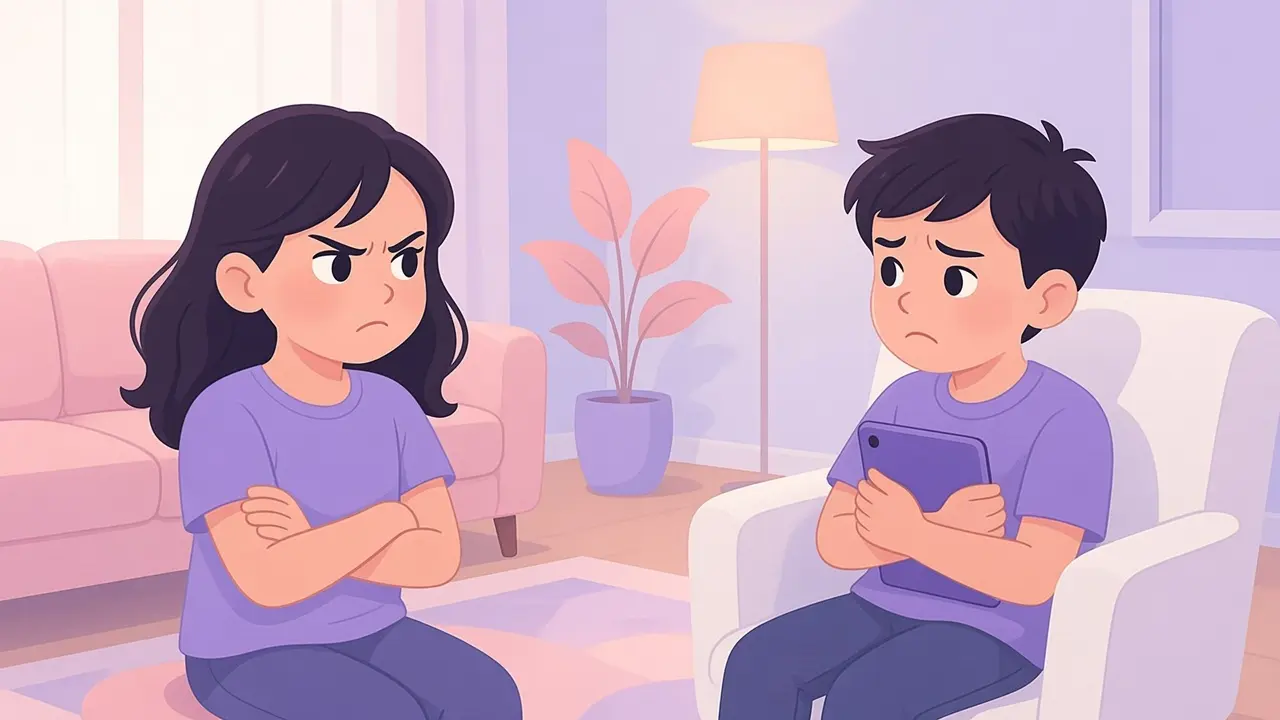

Building Emotional Resilience for a 13-year-old
For a 13-year-old, the structured environment of a classroom provides a predictable framework for navigating challenges. Teachers, bell schedules, and clear academic expectations offer a scaffold that supports emotional stability. When summer break arrives, this external scaffold disappears. Many 13-year-olds find that they struggle not because they lack capability, but because they have not yet developed the internal tools to regulate their emotional response to the frustrations and ambiguities of unstructured time.
Identifying the Developmental Shift
At 13, the teenage brain is undergoing significant remodeling, particularly in areas related to impulse control and social evaluation. Your child is now capable of abstract thought, yet they may still rely on your feedback to interpret their successes and failures. When they face a summer setback, such as a rejected plan or a failed project, their primary reaction is often frustration. Your role is to help them bridge the gap between their emotional response and a constructive path forward.
The Value of Real-World Friction
Resilience is not built through the absence of difficulty, but through the experience of managing it. When your child encounters a problem, do not immediately step in to solve it. Whether they are struggling to organize a group trip or failing at a self-directed project, allow them to sit with the discomfort of the challenge. This creates the cognitive space for them to analyze the situation and develop a strategy.
Reflective Practice as a Tool
Emotional resilience thrives on self-awareness. At the end of the day, encourage your child to reflect on one thing that was difficult and how they handled it. This practice teaches them to observe their emotional reactions as data rather than as fixed character traits. It shifts their perspective from feeling victimized by a situation to becoming an active observer of their own behavioral patterns.
Actionable Steps for Parents
Your support should focus on providing frameworks that empower your child to manage their own experiences. Use these strategies to cultivate their capacity for resilience.
Encourage Projects with Inherent Obstacles
Engage your child in projects that require effort and have a clear potential for failure. This could be learning a new sport, working on a complex DIY project, or planning a multi-step event. When they hit an obstacle, encourage them to identify what specifically is not working and why. This process of analytical problem-solving is the foundation of resilience.
Teach Emotional Labeling
Many 13-year-olds struggle to differentiate between different forms of frustration. Help your child develop a more precise vocabulary for their emotions. Are they feeling overwhelmed, bored, disappointed, or excluded? By labeling their feelings accurately, they gain distance from the immediate emotional spike, which makes it easier to respond with logic.
Support Autonomy with Scaffolding
Provide the resources and trust your child needs to manage their own time, but offer to brainstorm strategies when they feel stuck. Instead of giving them the answer, ask questions that lead them toward their own discovery. For example, ask them what resources they have access to, what previous experiences they can draw on, or what the consequences of different choices might be.
Establishing a Healthy Framework
Help your child recognize that their value is not dependent on their performance or their social success. Resilience comes from knowing they have the ability to handle difficulty, even when they do not reach their desired goal. Encourage them to value the process of trying, failing, and adjusting over the simplicity of a quick win.
Moving Forward Together
Your 13-year-old is at a critical stage where they are learning to define who they are and how they interact with the world. By guiding them through the challenges of their summer break with patience and perspective, you are helping them build the emotional resilience that will serve them long after the season ends. Encourage them to be present, to question their own reactions, and to understand that their ability to grow is directly tied to their willingness to engage with the world on its own terms.