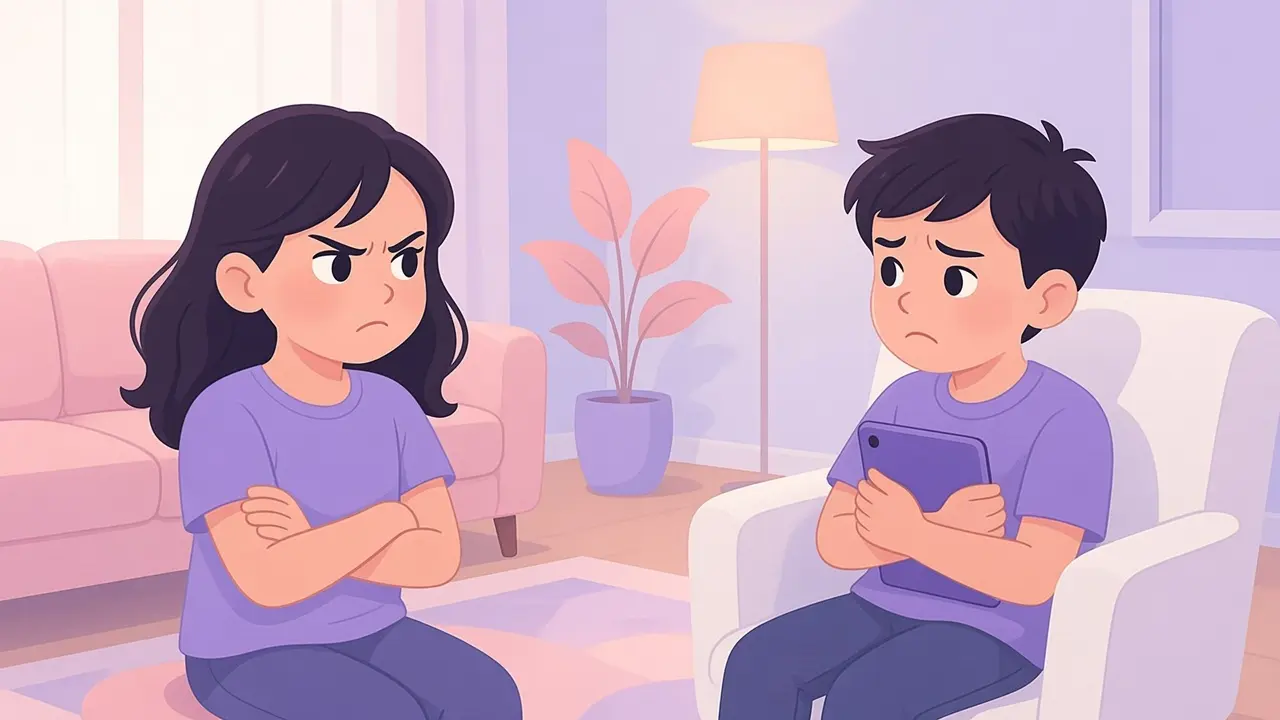

Helping a 13-year-old Overcome Summer Loneliness
For a 13-year-old, the end of the school year often brings an unexpected dip in social connectivity. While summer promises freedom, it also removes the daily structure that naturally facilitates social interaction. When school friends disperse, a 13-year-old may find themselves facing long, unstructured days that emphasize their social isolation. Understanding that this loneliness is a common developmental challenge, rather than a personal failure, is the first step toward effective support.
Identifying the Roots of Isolation
Adolescents rely heavily on the school environment for identity and status. Without that constant feedback loop, they can struggle to initiate social experiences independently. Common challenges include a lack of confidence to join existing community groups, fear of approaching new peers, and the tendency to retreat into screens when faced with boredom. Your goal is to shift their approach from passive waiting for an invitation to active participation in their immediate surroundings.
The Importance of Low-Stakes Community Involvement
Encourage your child to seek out community activities that offer a natural reason to gather. This might include volunteering at a local food bank, participating in a community garden, or joining a neighborhood recreational club. These environments provide a shared purpose, which acts as a bridge for social interaction. When the focus is on a task, the pressure of immediate interpersonal connection is significantly lowered.
Building Resilience Through Autonomy
Teach your child to identify their own interests as a starting point. If they enjoy photography, search for a local club or workshop. If they are interested in technology, look for local maker spaces or library events. Supporting their pursuit of an interest creates an environment where they are more likely to meet peers with common ground. This autonomy builds resilience because it ties their social comfort to their personal agency rather than external validation.
Actionable Steps for Parents
Your role is not to engineer their social life, but to help them build the tools to manage it independently. Use the following strategies to foster a sense of competence.
Develop a Proactive Schedule
Unstructured time can quickly become isolating. Help your child develop a weekly schedule that includes at least one community-based activity outside the home. This provides a clear objective for the week and prevents them from retreating into their own bubble. Frame this as a way to ensure they are taking charge of their summer experience.
Facilitate Small-Scale Social Trials
If your child is hesitant to join a new group, suggest they start with one-on-one interactions. Identify peers in your neighborhood or extended network they could spend time with, even if it is just a brief trip to a local cafe or a walk in the park. These small trials build the confidence necessary for larger social settings.
Reflect on Social Experiences
After an outing or a new activity, ask open-ended questions about what they experienced. Instead of asking if they made friends, ask what they learned about the people they interacted with or what challenges they encountered in approaching others. This moves the focus from outcomes to the process of social discovery.
Moving Forward Together
Loneliness is a signal, not a permanent state. By guiding your 13-year-old to explore their interests and engage with their local community, you provide them with the framework to navigate these feelings with maturity. Focus on encouraging them to be present and engaged in their daily life, knowing that consistent effort will eventually yield stronger, more meaningful connections.