
Digital Boundaries for Your 10-Year-Old in Summer
The Challenge of Unstructured Summer Days
Summer offers a rare period of freedom for a 10-year-old, yet this lack of structure frequently leads to excessive screen usage. At this age, children possess enough autonomy to navigate digital platforms independently, but they often lack the impulse control required to manage their time effectively. Instead of imposing rigid restrictions that lead to conflict, focus on establishing collaborative digital boundaries that respect their need for downtime while ensuring they engage in physical and social activities.
Understanding the 10-Year-Old Perspective
Ten-year-olds value autonomy and feel a strong need to connect with peers during their break. They view their devices as portals to social spaces and entertainment. When you approach screen time as a binary choice, either on or off, you ignore the nuance of how they interact with technology. Understanding that they want to feel connected helps you design a plan that accounts for their social needs while providing the structure they require for physical health.
Designing Collaborative Boundaries
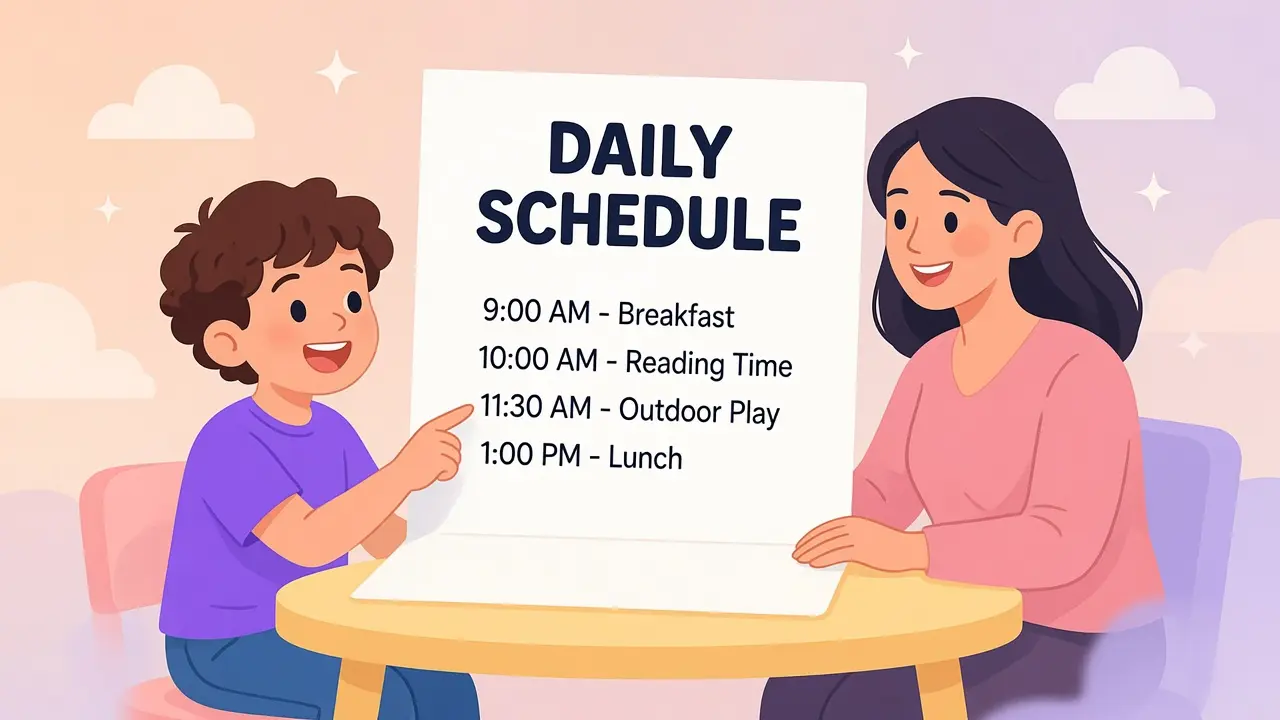
Instead of acting as a monitor, invite your 10-year-old into the process of defining their summer routine. Ask them how they want to spend their days. If they prioritize gaming or watching videos, help them balance these tasks with physical movement or outdoor play. Use a visual calendar or a simple list to map out expectations. This approach treats your child as a partner, which builds trust and encourages them to take ownership of their schedule.
Defining Concrete Rules
Focus on observable behaviors rather than vague goals:
- Tech-Free Zones: Identify areas of the home, such as the dining room or bedrooms, where screens remain off-limits to encourage family interaction.
- Time Budgeting: Allocate specific times for screen-based entertainment versus creative projects. If they choose to use their budget in the morning, they know their time is exhausted for the remainder of the day.
- Post-Activity Access: Require a set amount of physical activity or reading time before unlocking digital entertainment for the afternoon.
- Evening Cutoffs: Set a consistent power-down time at least one hour before bed to support their sleep hygiene.
Managing Conflict Through Consequences
Conflict over screen time is often a symptom of unclear expectations. When a 10-year-old ignores a boundary, address the behavior directly. If they fail to put the device away, the natural consequence is to shorten their digital time the following day. Maintain a calm, neutral demeanor when enforcing these rules. Remind them of the agreement you reached together, and let the consequence serve as a reminder of their commitment to that plan.
Supporting Long-Term Digital Literacy
Your goal is to prepare your child for future independence. By establishing boundaries during these unstructured summer months, you teach them how to prioritize their time, recognize the impact of their digital habits, and maintain a healthy balance between online and offline activities. As your 10-year-old matures, they will rely on these internal standards rather than your external oversight. Continue to discuss their progress throughout the summer to see how they adapt, offering flexibility when they prove they can manage their digital life responsibly.