
Gamifying Science Concepts for Your 3rd Grader
Science as an Interactive Game
By 3rd grade, children are ready to move beyond basic observation. They can start to form hypotheses, test variables, and evaluate data. Summer break is the ideal time to frame science not as a series of facts to memorize, but as an interactive game where they are the primary researcher. Gamifying these concepts keeps your 3rd grader engaged while reinforcing their ability to think like a scientist.
Designing the Science Challenge
Third graders are highly motivated by clear, achievable goals. Instead of telling them to explore biology, create a challenge with specific parameters. For instance, frame a backyard insect study as a scavenger hunt for specific traits. Ask them to locate insects that have six legs versus those with eight. Give them a points-based system for every unique species they identify, and require them to document the habitat where they found each specimen.
This framework introduces the scientific method through competition. They must record their data, compare their findings against a field guide, and categorize their results. The game element encourages them to persist through the tedious task of observation and documentation.
The Variable Testing Game
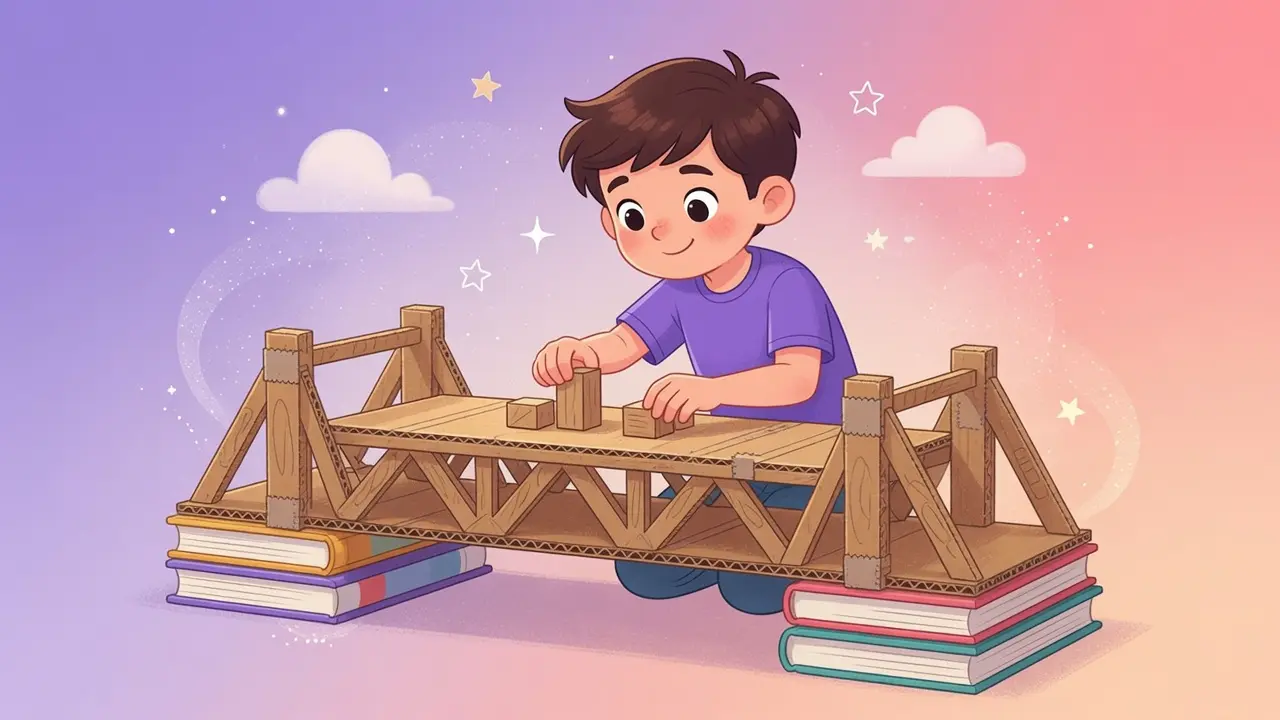
One of the most effective ways to teach the scientific method is through controlled experiments. If your 3rd grader enjoys building or experimenting, design a series of challenges that require them to change one variable at a time.
For example, if they are building paper airplanes, do not just tell them to make them fly better. Create a competition where they must test how wing length impacts flight distance. They must keep the paper type constant, change only the wing design, and record the results for three trials per design. By framing it as a competition to find the most efficient design, they become invested in the data collection process.
Physics and Energy Challenges
Third grade science often introduces concepts of force, motion, and energy. Use simple household items to create challenges that force them to predict outcomes. For instance, build a ramp using cardboard and set a target at the bottom. Ask them to predict how changing the height of the ramp or the weight of the object will affect its speed or landing point.
After each attempt, compare the actual outcome with their prediction. Have them explain why their prediction was accurate or incorrect. This forces them to apply scientific reasoning to a physical event, refining their understanding of motion and force.
Documenting and Sharing Results
Gamification is not just about the activity; it is also about the review. Create a lab journal where your 3rd grader keeps track of their points and discoveries. Periodically have them present their findings to you, explaining why their results differed from what they expected. This forces them to organize their thoughts, interpret their data, and communicate their reasoning clearly.
If they are particularly interested in a specific area, reward their progress with materials for a more advanced experiment. This creates a positive loop of curiosity and reward that mirrors the way scientists work in the real world.
Developing Critical Thinking Through Play
If a child loses the game, encourage them to look at their data to determine what went wrong. Did they change two variables at once? Was their measurement inaccurate? This teaches them that failure in science is just a source of new information. By focusing on the process rather than the outcome, you help your 3rd grader develop the resilience required for academic work. They learn that their ability to reason through a problem is more valuable than just getting the right answer the first time.
Consistency in these small challenges is what builds their scientific fluency. By treating summer science as a series of puzzles to be solved, you help your child maintain their interest in learning while preparing them for more complex academic work in the upcoming school year.