Gamifying Science for Your 4th Grader This Summer
Rethink the Summer Science Experience
By the time a child reaches 4th grade, they have the cognitive maturity to move beyond basic observation. They can design simple tests, predict outcomes, and understand the relationship between variables. Summer break is an ideal time to capitalize on this development by transforming science from a passive textbook study into an active, competitive game. This approach treats your home environment as a laboratory where your child can solve real-world problems through experimentation.
Designing Variable-Based Challenges
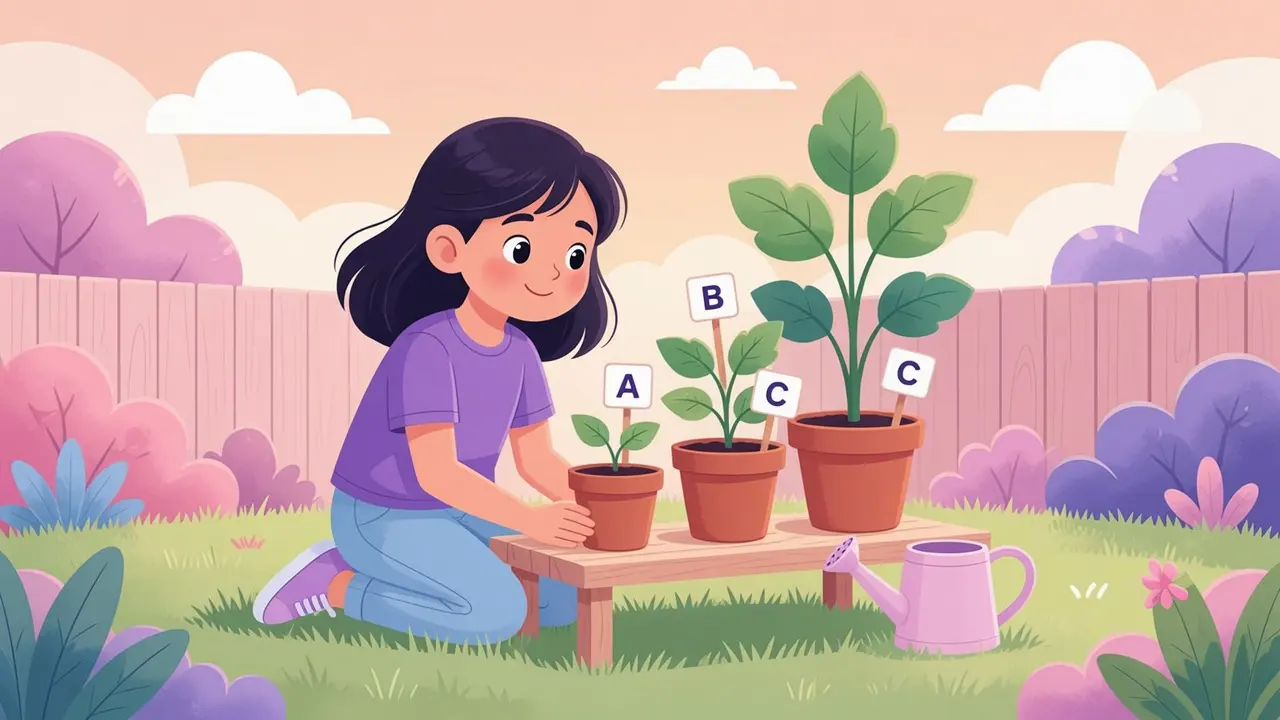
Science is effectively the study of cause-and-effect. Create a series of challenges that require your 4th grader to isolate one variable. For example, set up a race between different types of paper airplanes. Ask your child to predict which design will fly the furthest. If they assume weight is the critical factor, they can test planes of different weights while keeping the surface area constant.
This forces them to treat the test as a controlled experiment rather than a random guess. The competitive element comes from setting specific targets or racing against their own previous results. If the paper plane does not reach the target, they must analyze why. Did the nose tilt? Was the release too aggressive? This process of iteration is how scientists actually work.
Competitive Nature Exploration
Use your local ecosystem to create a scavenger hunt that requires classification logic. A 4th grader can categorize organisms based on observable traits. Create a score-based game where they have to find items that meet specific, increasingly complex criteria. For instance, assign points for finding a leaf with serrated edges or an insect with more than four legs.
To make this challenging, do not provide the names of the specimens. Instead, provide a simple identification key and have them determine the group based on the attributes they observe. This turns a routine nature walk into a data-gathering mission. They have to decide if a specimen fits the classification rules, which builds their ability to judge information against set criteria.
Engineering with Constraints
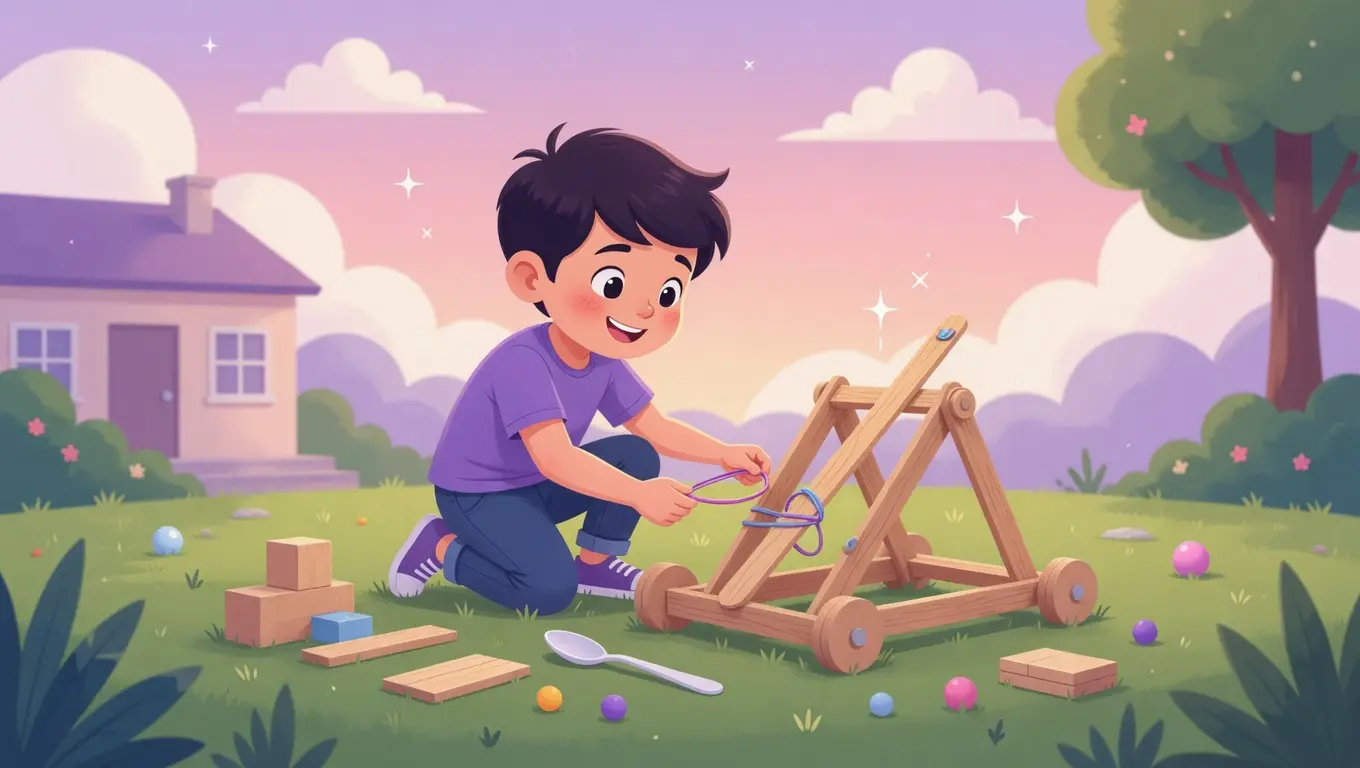
Engineering thrives on constraints. Challenge your 4th grader to build a bridge across a defined span using only a limited supply of materials, such as popsicle sticks and tape. Set a clear goal, such as supporting the weight of a heavy book.
This activity requires your child to think about structural integrity and force distribution. They have to plan their design, build it, and then test its failure point. When the structure collapses, analyze the point of failure. Was it a weak joint? Did the base shift? This collaborative post-mortem helps them understand the logic of physical structures. It moves them away from just building to understanding why certain shapes support weight more effectively than others.
Tracking Scientific Progress
Use a simple chart to track the results of their various experiments. Have your 4th grader log their predictions, the actual outcome, and the reason for the discrepancy. At the end of the week, review the data. This provides a clear record of their analytical progress.
Because they have invested time into designing the experiments, they will naturally be interested in the trends in their own data. If they see that heavier objects consistently fall faster, they are learning a physical constant through their own discovery. This is more meaningful than reading a definition of gravity in a book because they have witnessed the effect repeatedly.
Conclusion
Gamifying science for a 4th grader means framing their environment as a set of problems waiting to be solved. By focusing on variable manipulation, structural constraints, and systematic classification, you give your child the tools to think like a scientist. They learn to view the physical world as a series of observable systems, ensuring they remain engaged with scientific inquiry throughout the summer.