History Exploration for Your 4th Grader
Rethink History Exploration
By 4th grade, children have the cognitive ability to move beyond memorizing names and dates. They are ready to analyze the context behind historical events and understand the motivations of people from the past. Summer travel and museum visits offer an ideal opportunity to facilitate this transition. Instead of walking through exhibits as passive observers, treat these experiences as a detective investigation where your child must synthesize evidence to form their own conclusions.
The Museum as an Evidence Lab
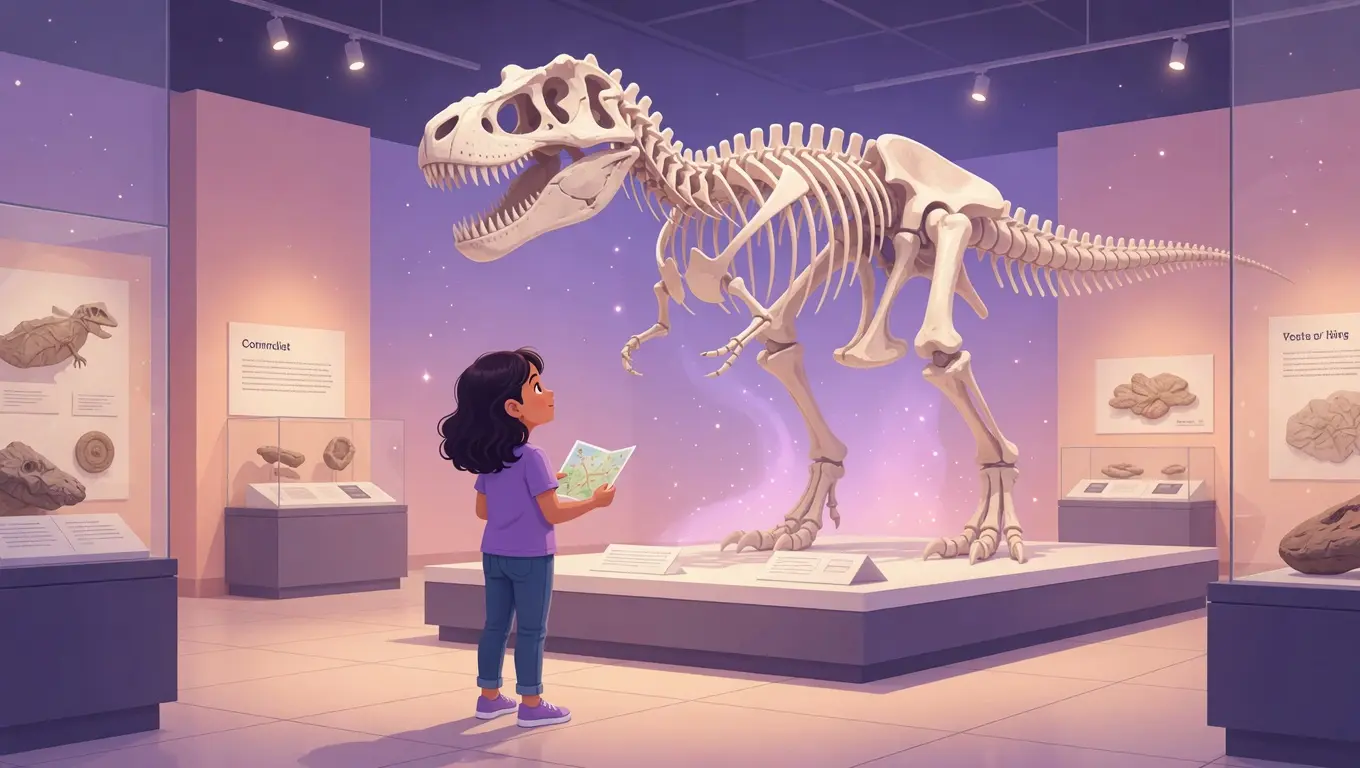
When you visit a museum, do not let your 4th grader rush from one display to the next. Instead, select one specific gallery or exhibit area. Ask them to pick one artifact and look for clues that explain how the person who used it lived. If the exhibit features tools from the 1800s, ask them to identify what the primary material is and why that material was chosen.
This exercise forces them to observe artifacts as historical evidence rather than just interesting objects. Ask them to compare what they see to their own life. If they are looking at a spinning wheel, compare it to modern textile manufacturing. This helps them understand the progression of technology and human effort, which is the heart of historical thinking.
Questioning the Narrative
History is often presented as a fixed story, but 4th graders are capable of understanding that stories have perspectives. If a museum exhibit features a famous event, ask your child to consider the point of view of different people involved. Who decided what information was recorded? What perspective might be missing from this exhibit?
This is a critical skill for their academic future. It teaches them to evaluate the reliability of information and to recognize that most historical accounts are interpretations. It shifts them from being consumers of historical facts to being active, critical thinkers who evaluate the context and purpose behind every source they encounter.
Creating a Travel Timeline
If your summer travel involves visiting multiple historical sites, have your 4th grader maintain a travel timeline in a journal. As you visit each location, have them map out the sequence of events or the relative time periods. They can add drawings or quick notes about what they learned at each site.
This helps them build a framework of chronology. Even if the sites are not related, understanding the relative distance in time between two locations helps ground their abstract understanding of history. When they can visualize how long ago an event happened relative to their own life, history becomes a tangible subject rather than a disconnected list of names and dates.
Engaging with Primary Sources
Look for opportunities to introduce primary sources beyond museum exhibits. This could mean reading a letter written by a person from a specific time, looking at old maps of the town you are visiting, or even listening to audio recordings of oral histories.
When your child interacts with these sources, ask them to summarize what the person was trying to communicate. This forces them to infer meaning from primary information. It is a powerful way to make the past feel real and relatable, ensuring they understand that history is built by actual people making decisions under specific circumstances.
Conclusion
History exploration for a 4th grader is about teaching them to question, evaluate, and understand the context of the past. By focusing on primary source interaction, critical perspective-taking, and chronological mapping, you transform summer travel and museum visits into meaningful learning experiences. You provide them with the mental tools to process history objectively, preparing them to engage with the world as critical, thoughtful observers.