Handling Sibling Conflict at 12
The Roots of Sibling Friction at Twelve
At twelve, the summer environment often brings siblings into closer and more frequent contact than the school year permits. This proximity, combined with the developmental shift toward personal autonomy, creates a perfect storm for conflict. When a 12-year-old feels their space, time, or interests are being encroached upon by a sibling, they are likely to react with heightened defensiveness. Recognizing this as a clash of developing identities, rather than simple personality differences, is the first step toward effective management.
Understanding the Developmental Catalyst
Twelve-year-olds are deeply invested in defining who they are as individuals. They are testing the boundaries of their independence, which makes the constant, shared presence of a sibling particularly challenging. A younger sibling may be perceived as an annoyance that prevents the 12-year-old from engaging in their own interests, while an older sibling may represent an authority figure they are no longer willing to accept. When conflict arises, it is often a symptom of this struggle for personal space and identity validation.
The Logic of Natural Consequences
Avoid the urge to impose top-down solutions or mediate every argument. This only keeps the siblings dependent on your intervention. Instead, apply logic and natural consequences. If two siblings cannot agree on a shared video game console, the consequence is that the console goes away for a set period. This is not a punishment, but a direct consequence of their inability to manage the shared resource. By focusing on the problem rather than the blame, you encourage them to find their own collaborative solution if they want the resource back.
Creating Independent Summer Zones
Respect for personal space is non-negotiable at this developmental stage. Even in smaller living environments, help your 12-year-old define a boundary that is theirs alone. This could be a specific corner of the living room, a desk, or a designated time of day where they are not to be interrupted by siblings. When children have an area that is purely their own, they often feel less need to defend their boundaries through aggression or argument.
Collaborative Problem Solving
When a major conflict erupts, wait for the emotional intensity to subside, then facilitate a structured conversation. Do not act as a judge. Ask each sibling to articulate the problem from their perspective. Then, ask them to propose a solution that respects both of their needs. This process forces them to practice empathy and negotiation, which are critical social skills for their future relationships. If they cannot agree, offer your own neutral perspective: I notice that both of you want the kitchen table to work on your separate projects. How can we divide the time or space so both of you get what you need?
Redefining Sibling Cooperation
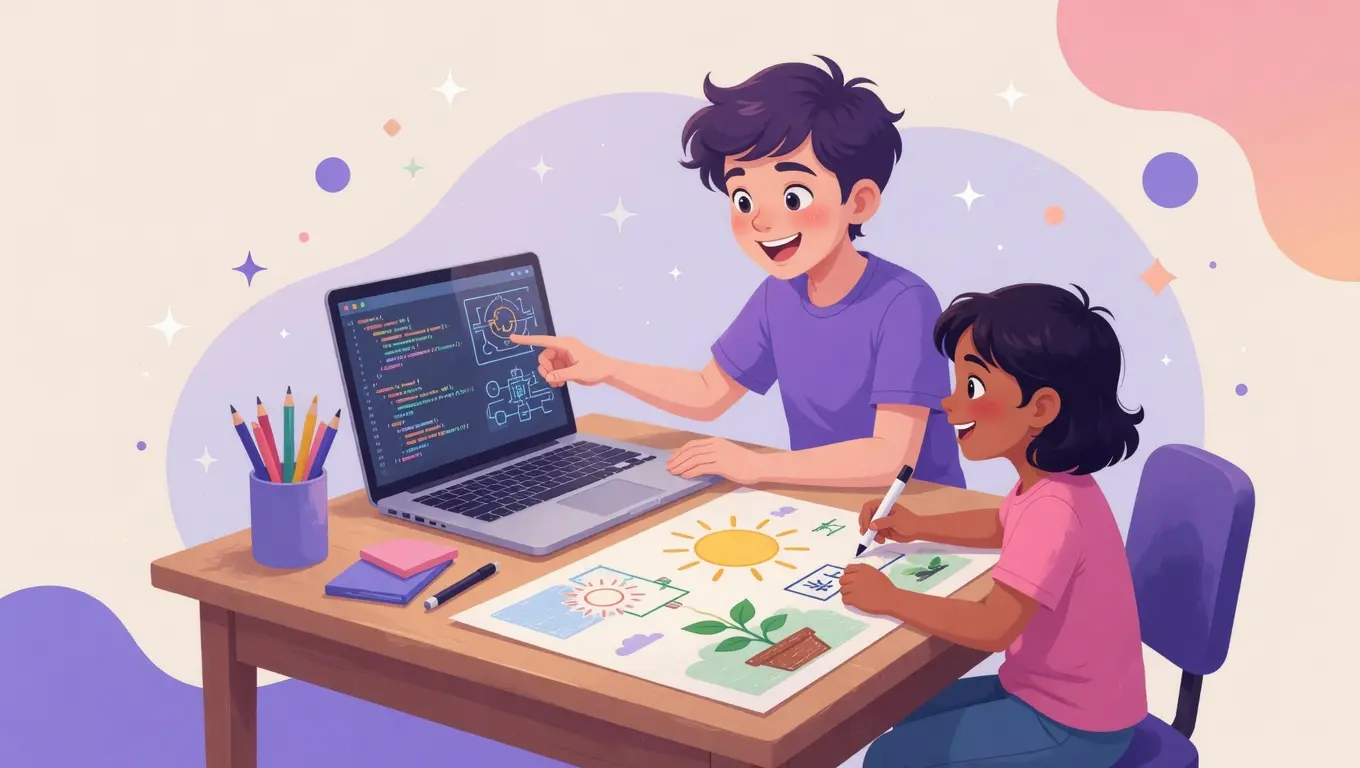
If the conflict is centered on shared activities, look for ways to redefine their interaction. If they are constantly fighting over the television, suggest a shared interest they might actually enjoy together. If they are stuck in a cycle of annoyance, encourage them to find a project where they can cooperate on their own terms. When they have a common goal, the dynamic often shifts from competition to teamwork.
Actionable Steps for the Parent
- Establish a shared calendar: Encourage them to map out their days. If they know exactly when they have to share space or resources, they are less likely to experience conflict out of frustration.
- Model conflict resolution: Demonstrate how to handle your own disagreements with others in the house respectfully. Let them see you pause, listen, and negotiate.
- Encourage separate interests: Help your child identify an activity they can do entirely on their own, outside of their sibling circle. This provides them with the emotional distance needed to reconnect later without tension.
By staying patient and neutral, you provide your 12-year-old with a toolkit for managing complex relationships. Conflict is not a sign of failure but an opportunity for them to learn how to navigate the tension between their own needs and the needs of others. Your role is not to prevent all conflict, but to guide them as they develop the maturity to resolve it themselves.