
Helping your 11-year-old budget summer job money
Understanding the 11-year-old approach to money
At 11 years old, children are moving from concrete, immediate exchanges to a more abstract understanding of long-term value. This is the optimal age to transition from piggy banks to a structured budgeting system. When an 11-year-old earns money from neighborhood chores, such as pet sitting, lawn maintenance, or car washing, they face the immediate desire to spend that cash on small, transient items. Your role is to provide the framework that helps them see the trade-offs between current consumption and future purchasing power.
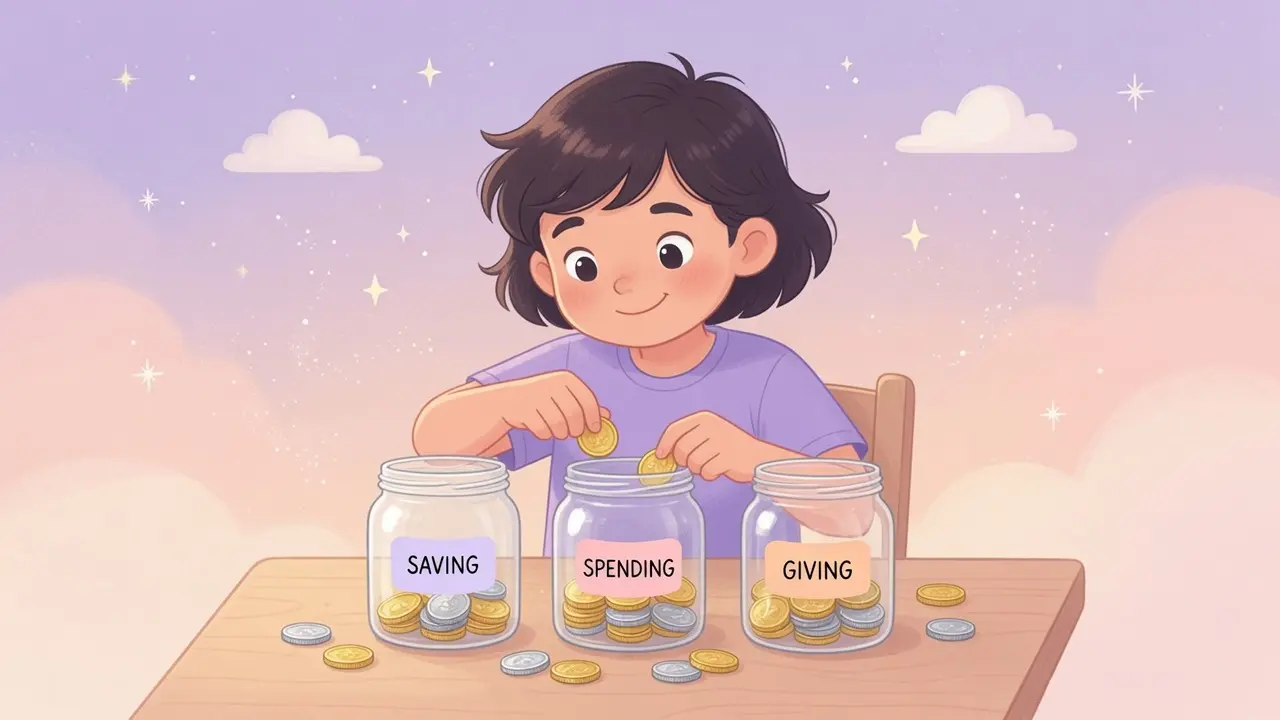
Creating a three-bucket system
To move beyond simple advice, implement a physical three-bucket system. This keeps the money tangible, which is essential for this developmental stage. Label three containers: Needs, Wants, and Long-Term Goals.
The needs bucket
This bucket covers expenses the child has committed to or that you have determined they are responsible for covering. This might include buying their own snacks for a day at the community pool or contributing to a specific gift for a sibling. This bucket teaches them that some income is already allocated to recurring or necessary costs, a foundational concept for later life.
The wants bucket
This is where they practice autonomy. If they earn twenty dollars from mowing a neighbor's lawn, decide what percentage goes here. This money is for the impulse purchases they value. If they choose to spend it on a pack of cards or an ice cream cone, that is their decision. When they run out of money before the next job, the consequence is that they cannot buy the next item they want. This is a critical lesson in resource scarcity that no lecture can teach.
The long-term goals bucket
This bucket holds money for items that cost more than their weekly earnings. A new video game, a high-quality pair of sneakers, or a specific piece of sports equipment belongs here. By requiring them to save for a specific, measurable goal, you help them understand that waiting is an active process of accumulation rather than a passive act of withholding.
Setting up the tracking process
An 11-year-old can handle a basic ledger. Provide a simple notebook or a printable spreadsheet where they log every dollar earned and every dollar spent. At the end of each week, sit down for ten minutes to reconcile the buckets with the ledger. This process forces them to categorize their actions. If the numbers do not match, they must retrace their steps. This promotes accountability and accuracy.
The reality of chores and summer jobs
When a neighbor hires your child to weed a garden, the payment is a contract. Ensure your child understands they are providing a service in exchange for money. Help them calculate their hourly rate if they are doing consistent work. If they are paid ten dollars for one hour of work, help them visualize that ten dollars in terms of what it takes to earn it. This context reduces the likelihood of impulsive spending because the effort required to earn the money becomes a mental check against the price of the item they want to purchase.
Handling disagreements and mistakes
Your 11-year-old will spend money on things you consider useless. Resist the urge to intervene unless the purchase violates household rules or safety standards. If they buy a cheap plastic toy that breaks within an hour, the consequence is the loss of that money. Do not replace it. Do not bail them out. Discuss the quality of the item after the fact, asking questions about how they evaluated the purchase. This is how they refine their judgment. By letting them experience the full extent of a poor decision, you empower them to make better ones in the future. As they gain experience with these cycles, their ability to calculate value will naturally improve.