
Helping Your 8-year-old Budget Their Summer Earnings
The Financial World of an 8-year-old
At eight years old, children possess the cognitive ability to grasp that money is a limited resource. They have moved past the immediacy of toddlerhood and can now connect the effort of a neighborhood chore to the reward of compensation. When your 8-year-old earns money by weeding a garden, walking a neighbor’s dog, or helping with trash bins, you have a natural opportunity to move beyond simple accumulation toward deliberate management.
The Three Container Method
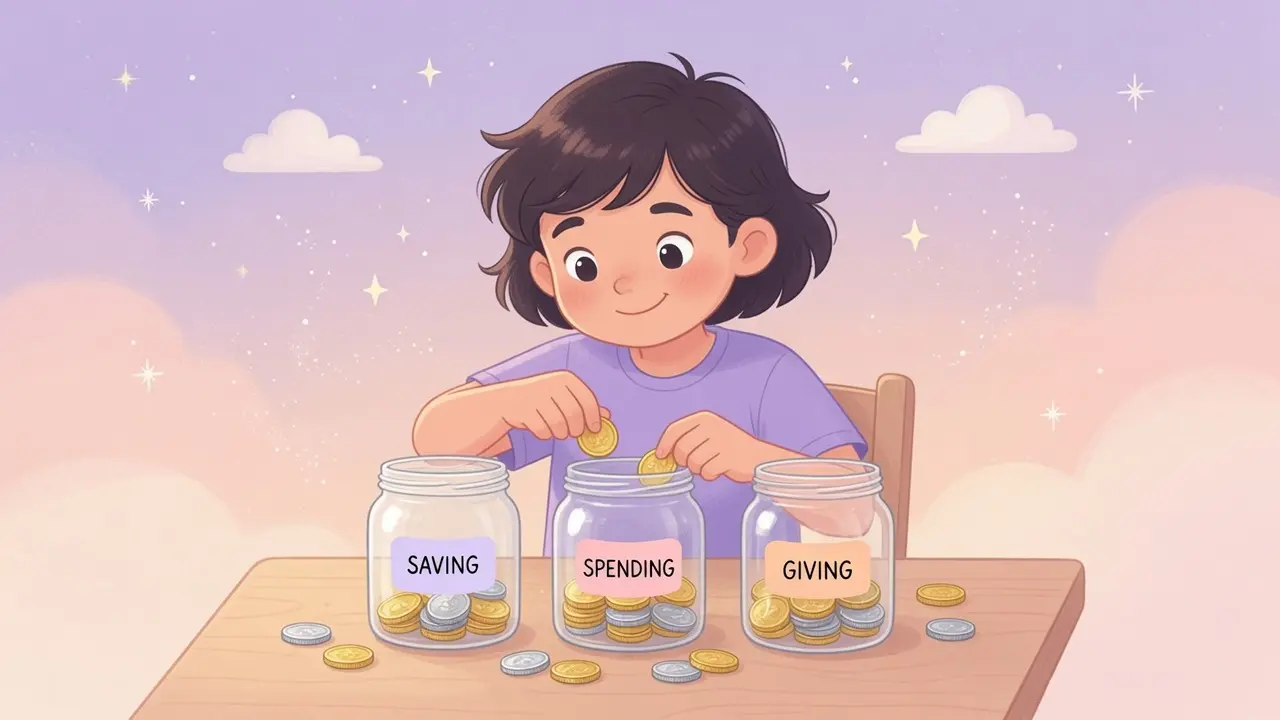
For an 8-year-old, the primary challenge of budgeting is abstraction. Digital numbers on a screen or promises of future rewards do not carry the same weight as physical objects. Use the three-container method to make financial management visible and concrete.
The Spending Container
This container holds money meant for immediate, small-scale desires. Whether it is a pack of trading cards or a small treat, having a designated place for discretionary funds allows the child to experience the immediate consequence of their spending. When the container is empty, the spending stops. This provides a clear, objective lesson that money is finite.
The Saving Container
Direct this container toward a larger, specific goal. An 8-year-old can reliably maintain interest over several weeks if the goal is tangible. Help them draw a simple bar chart on the wall where they color in progress segments. This turns the invisible process of saving into a visual accomplishment.
The Giving Container
This container introduces the idea that money can serve purposes beyond the individual. Letting the child choose a local cause, such as a community animal shelter, helps them observe the impact of their contribution. Keep this allocation voluntary to ensure the child feels ownership over the decision.
Navigating Common Hurdles
One common challenge is the desire for immediate gratification that leads to impulsive spending on low-quality items. If your child spends their money on a toy that breaks within an hour, resist the temptation to intervene. This outcome is an educational event. Discuss the experience afterward by asking, How did you feel after playing with the item for an hour? This shifts the focus from moralizing to self-reflection.
Responsible Chore Compensation
Predictability is critical for an 8-year-old. When they perform a job for a neighbor, ensure the payment is prompt and accurate. Avoid using money as a tool for basic household chores that are part of their responsibility as family members. Reserve payment for tasks that provide genuine extra value. This keeps the distinction between expected contribution and earned income clear.
Practical Steps for Parents
- Use physical cash. At this age, the physical act of counting coins and bills is a cognitive exercise that reinforces their understanding of math and value.
- Involve them in the store experience. Show them the price of an item and ask how many chores they would need to complete to reach that amount. This grounds their financial decisions in the reality of their effort.
- Keep containers accessible. Place them in a common, visible area. If the money is hidden, the budget ceases to be an active part of their day.
- Avoid moralizing. If they choose to spend their money on something you find trivial, observe the choice without criticism. The experience of their own financial decisions is the most effective teacher.
Establishing Lifelong Habits
Budgeting is not a one-time instruction but a recurring practice. By providing a structure that respects their autonomy while requiring them to handle the consequences of their spending, you equip your child to approach finances with critical judgment rather than blind compliance. Your role is to build the framework, and your child’s role is to learn through the ongoing process of managing their own resources.