
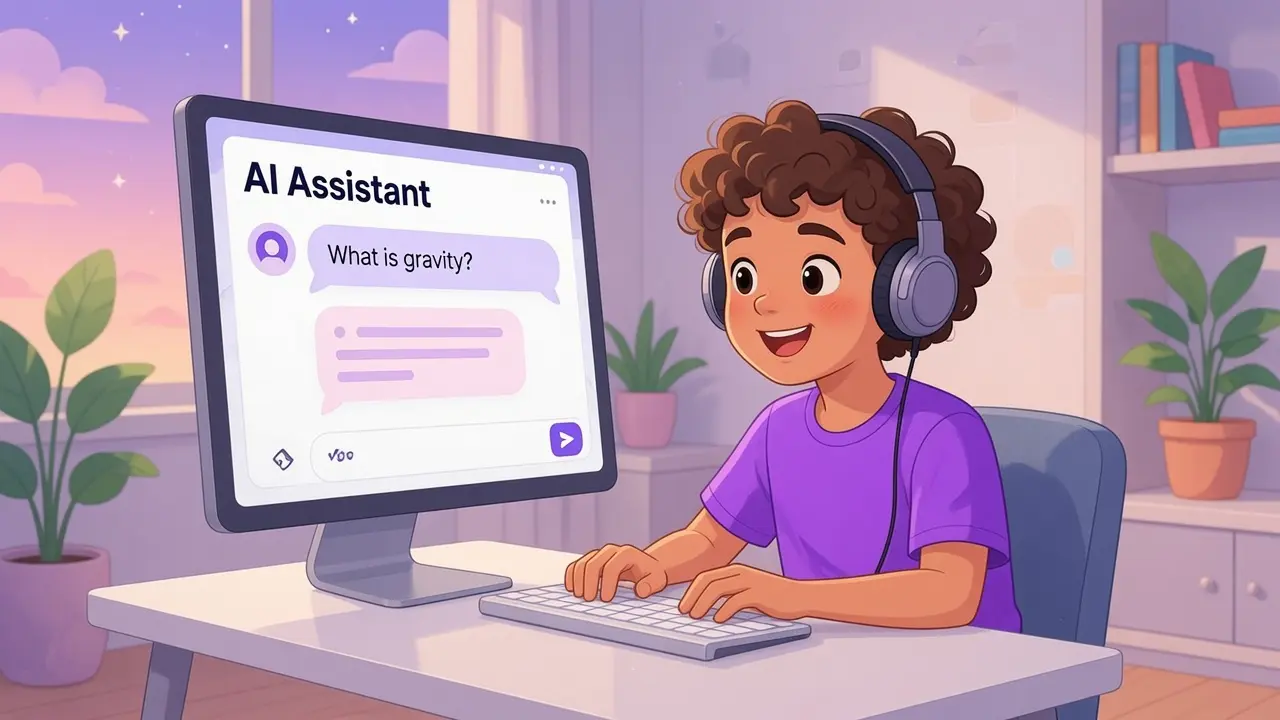
Intro to AI Prompt Engineering for a 7th Grader
The Logic of Machine Communication
For a 7th grader, the current surge in generative AI tools presents a unique opportunity to learn the mechanics of communication. At this developmental stage, children are refining their ability to formulate logical arguments and structure complex information. Prompt engineering is essentially the discipline of constructing clear, unambiguous instructions for a computational system. This activity moves beyond simply asking a question; it forces the student to consider the context, the constraints, and the expected output structure.
Establishing Foundations in Structured Input
Avoid introducing prompt engineering as a shortcut for homework. Instead, frame it as a tool for exploration and synthesis. Start with simple exercises where your child must generate a list or a summary based on specific parameters. For instance, ask them to prompt an AI to explain a scientific concept, such as kinetic energy, using only five sentences, a defined audience, and a specific analogy. This requires them to manage multiple constraints simultaneously, which strengthens their ability to parse what is essential versus what is superfluous.
Iterative Testing and Error Analysis
Most initial attempts at prompting will produce mediocre results. This is the most valuable part of the experience. When the AI fails to deliver the expected result, do not offer the answer. Ask your 7th grader to analyze the output. Where did the machine deviate from the instructions? Did the prompt lack context? Was the request too broad? This process of troubleshooting the interaction teaches them that the quality of output is directly correlated to the precision of the input. They learn to view the model as a tool that requires specific configuration.
Critical Evaluation of Machine Output
Generative models often hallucinate or provide confident but incorrect information. This is an excellent scenario for a 7th grader to practice verification. If the AI provides a summary of a historical event, ask your child to verify the key dates and facts against a primary source. This habit of cross-referencing machine-generated text with established evidence develops intellectual independence. It ensures they remain the operator of the system rather than a passive consumer of its outputs.
Framing Real-World Projects
Encourage your child to apply these skills to a project. If they are interested in music, have them use prompting to brainstorm themes or song structures. If they like history, have them create a structured debate between two historical figures based on real transcripts. These applications anchor their technical skills in a practical context. By focusing on the design and refinement of their prompts, you are helping them develop the meta-cognitive skills of breaking down complex goals into actionable, programmable tasks. They come away with a deeper understanding of how modern technology processes information, which is a foundational skill for any technical field.