Moving a 13-year-old From Passive Viewing to Creation
The Shift From Consumer to Creator
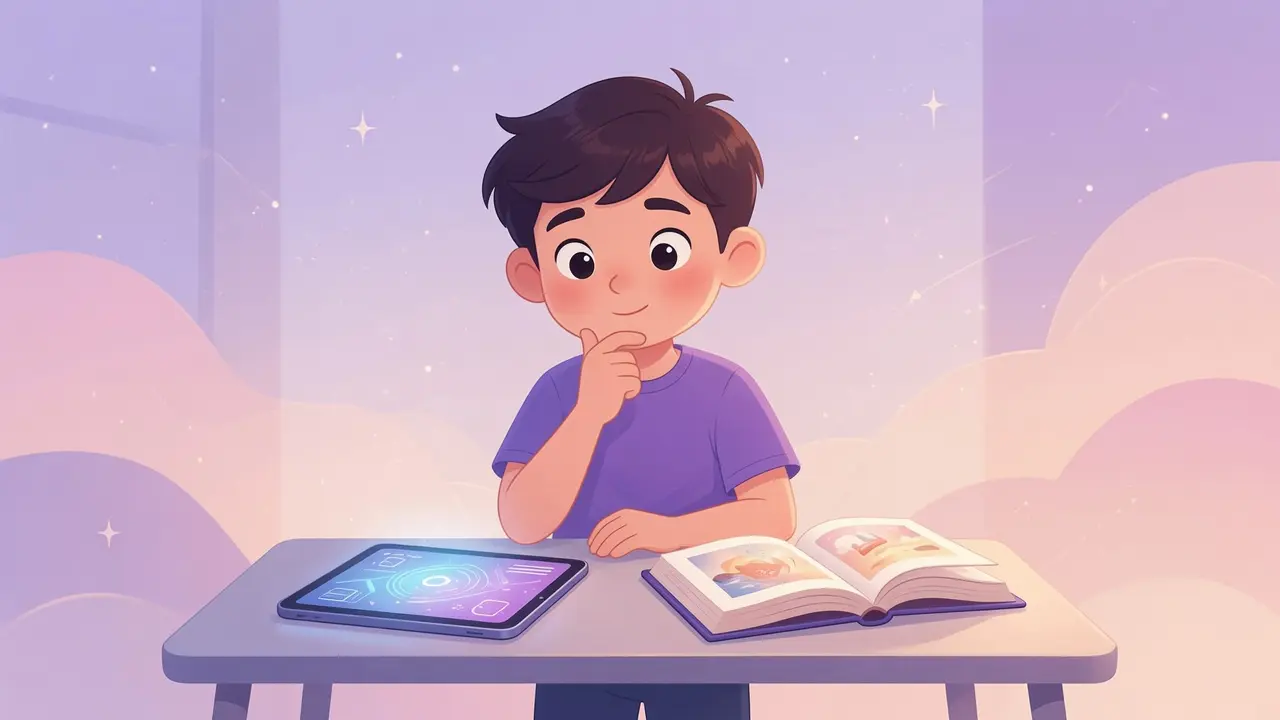
Many 13-year-olds spend hours daily watching YouTube. While this behavior is often viewed as passive consumption, it serves as a powerful foundation for digital literacy if redirected toward active creation. At 13, the brain is primed for complex problem-solving, social experimentation, and skill acquisition. By transitioning from a spectator to a contributor, a teenager gains a deeper understanding of the platforms they frequent and the technical processes behind digital media.
Identifying Interests and Entry Points
To move your 13-year-old away from endless scrolling, look for the specific niches that hold their attention. Do they watch coding tutorials, gaming commentary, video editing tips, or stop-motion animation? Use these interests to suggest tangible, manageable projects.
Moving Toward Project-Based Learning
Rather than forcing a rigid schedule, collaborate with your child to define a concrete creation goal. If they enjoy gaming, suggest they create a walkthrough video for a specific level or build a mod. If they follow tech vloggers, encourage them to write a script and film a product review for an item they already own. The objective is to demonstrate that their device is an instrument for output, not just an input window.
Providing the Right Infrastructure
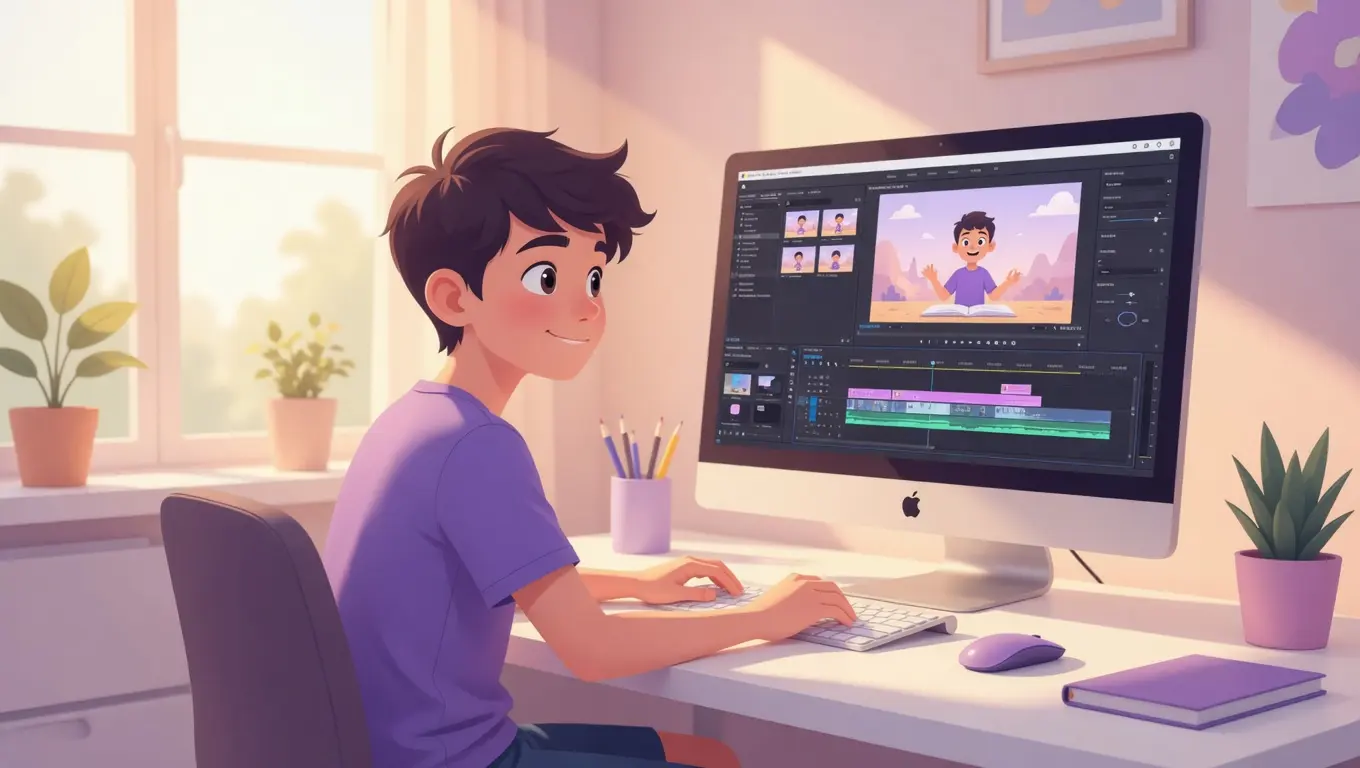
Active creation requires access to tools beyond what is found in a standard media browser. Ensure your 13-year-old has access to basic editing software, screen recording tools, or a development environment. Often, the barrier is simply the lack of a familiar interface. Spend time with them exploring a free, industry-standard tool, such as a video editor or a beginner-friendly code editor.
Navigating Resistance and Frustration
When a 13-year-old attempts to create, they will inevitably face technical hurdles. Do not offer to fix the problems yourself. Frame these moments as opportunities to learn troubleshooting techniques. If a video file fails to export or a piece of code does not run, ask them to describe the error message or identify the step that caused the deviation. This process builds the independence necessary for true digital competence.
Setting Realistic Expectations
Creation is an iterative process. Encourage your child to view their first attempts as experiments. If they want to start a channel or share a project, help them understand the importance of quality over quantity. Talk about the mechanics of how digital content reaches an audience and the responsibilities that come with broadcasting their work. This moves the conversation from abstract internet safety to the tangible realities of digital citizenship.
Measuring Success Through Output
Success at this stage is measured by finished projects, not by metrics like views, subscribers, or likes. Create a home environment where sharing a completed piece of work is a standard, positive event. If your 13-year-old shows you a video they edited or a function they programmed, engage with the content as a finished project. Ask about the choices they made during the process. This validation reinforces the value of their time and effort.
Moving Forward Together
Helping your 13-year-old become a creator is a long-term shift. By focusing on active, skill-based digital engagement, you provide them with a more nuanced view of the internet. They will learn that digital platforms are made of human choices and technical systems. This foundation will serve them well long after they stop watching the specific channels that currently occupy their afternoons. Through patience and collaborative effort, you can transform their screen time into a productive, creative journey.