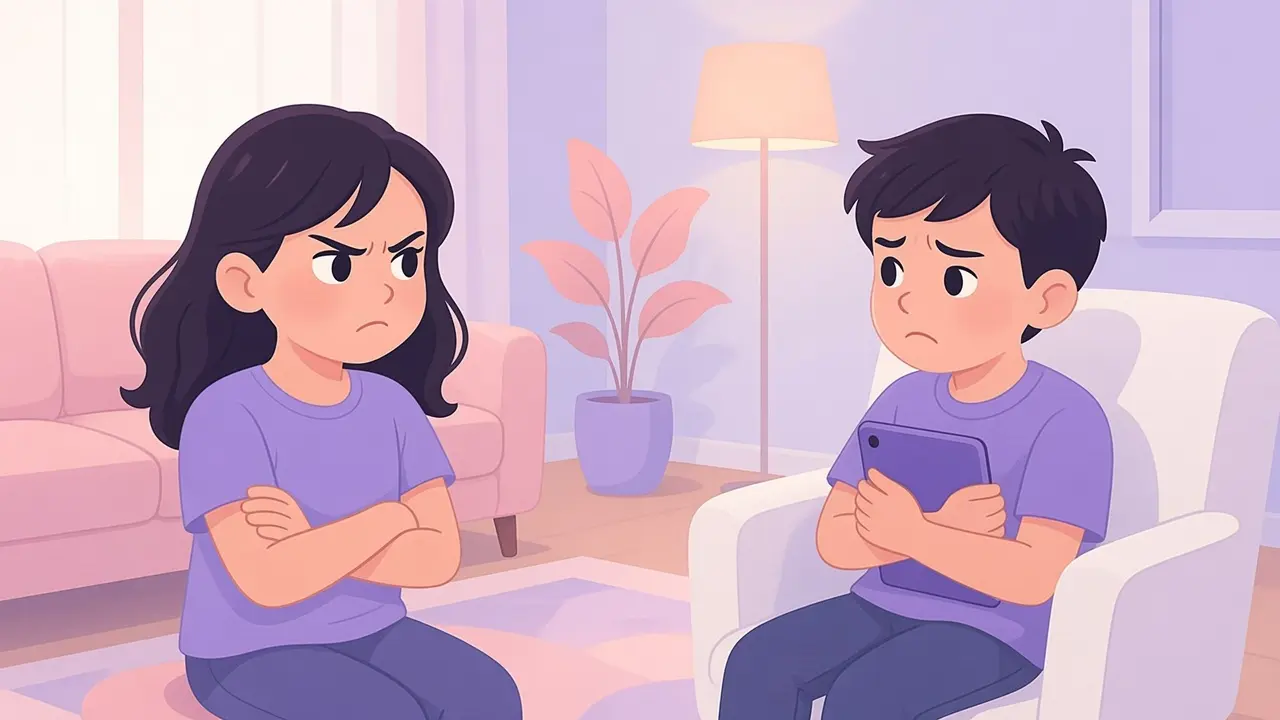

Navigating Changing Friend Groups for a 13-year-old
Summer break acts as a catalyst for social change. For a 13-year-old, the lack of daily contact with a fixed school group often leads to the natural drifting apart of established cliques. While this shift can be distressing, it is a normal developmental milestone. At 13, adolescents are beginning to define their own interests, which often means their peer groups no longer align as closely as they did in middle school.
Identifying the Causes of Social Drift
It is common for parents to worry when they see their child distancing themselves from friends they have known for years. Understand that this transition is rarely about a specific conflict. Often, it is simply a reflection of divergent interests, differing schedules, or the natural evolution of social maturity. When your 13-year-old feels the friction of a changing group, their primary concern is often their status and belonging.
The Role of Independent Interests
Encourage your 13-year-old to explore new extracurricular activities that match their current passions. Whether it is an art workshop or a local sports clinic, these environments provide opportunities to interact with peers who share their emerging identity. This shift helps them realize that they can belong to multiple social circles, rather than pinning their entire social well-being on one group.
Normalizing the Transition
When your child expresses anxiety about a friend they no longer talk to, validate their feelings without pathologizing the situation. Explain that relationships change throughout life and that this is a time for them to discover the type of people they connect with most deeply. Focus on the value of intentionality, asking them what qualities they appreciate in their peers, rather than focusing on the group size or visibility.
Actionable Steps for Parents
Your role is to offer support that emphasizes stability and perspective. Use these strategies to help your child navigate this fluidity.
Facilitate Productive Reflection
Instead of asking who they spent the day with, ask what they enjoyed most about their interactions. If they mention a conflict or a feeling of exclusion, use that as an opportunity to discuss social boundaries. Help them understand that they are the architect of their own social environment, and they have the power to define who they want to spend time with.
Create Opportunities for Diverse Engagement
Encourage your child to spend time with peers outside of their immediate school group. This could include relatives, older or younger friends, or neighbors. Exposure to a broader range of personalities helps your child learn to adapt and communicate in various contexts, which makes them less vulnerable to the loss of a single group.
Establish Clear Boundaries
If your child is attempting to manage a changing social dynamic via digital communication, encourage them to take breaks. The immediate nature of digital updates makes every social change feel like an emergency. Remind them that they do not need to be aware of every development in their friends' social lives to maintain their own sense of self.
Moving Forward Together
Your 13-year-old is learning to navigate a complex social landscape where group dynamics are constantly shifting. By guiding them toward self-reflection and encouraging the exploration of new interests, you empower them to build deeper and more authentic connections. Help them understand that social growth often involves change, and that this process is essential to developing the self-assurance they need for the years ahead.