
Overcoming Summer Social Isolation for an 8-year-old
The Experience of Summer Loneliness at Eight
At eight years old, a child's social life is tethered to the school calendar. When the final bell rings and the summer break begins, the sudden absence of a predictable social structure can be jarring. For many children, the transition to unstructured time reveals a profound sense of isolation. While adults often view the break as a period of rest, an 8-year-old may experience it as a sudden narrowing of their social horizon, leading to feelings of loneliness that are acute and deeply felt.
It is vital for parents to distinguish between solitude and isolation. Solitude is a period of rest and independent exploration, while isolation in an 8-year-old often manifests as a persistent lack of connection. When your child feels lonely, they are not just missing their friends, they are missing the external validation and identity-building that a peer group provides.
Identifying the Signs of Social Withdrawal
Because an 8-year-old is still developing the ability to articulate complex emotional states, they may not come to you and state, I am lonely. Instead, look for behavioral shifts. Is your child unusually irritable? Do they seem reluctant to engage in activities they previously enjoyed? Are they excessively focused on what other kids are doing elsewhere? These are signals that the child is struggling to find their place in the summer landscape.
Observe how your child spends their unscheduled time. A child who is comfortable with solitude will engage in sustained play or projects. A child who is experiencing isolation will often pivot frequently between activities, unable to settle, or they may retreat into passive entertainment as a way to numb the discomfort of not being included in active peer groups.
The Role of Structured Social Exposure
To combat feelings of isolation, parents should facilitate controlled, low-pressure social exposure. Avoid the urge to over-schedule your child with intense camps or back-to-back playdates, as this can overwhelm them. Instead, identify micro-environments where interaction is natural and low-stakes.
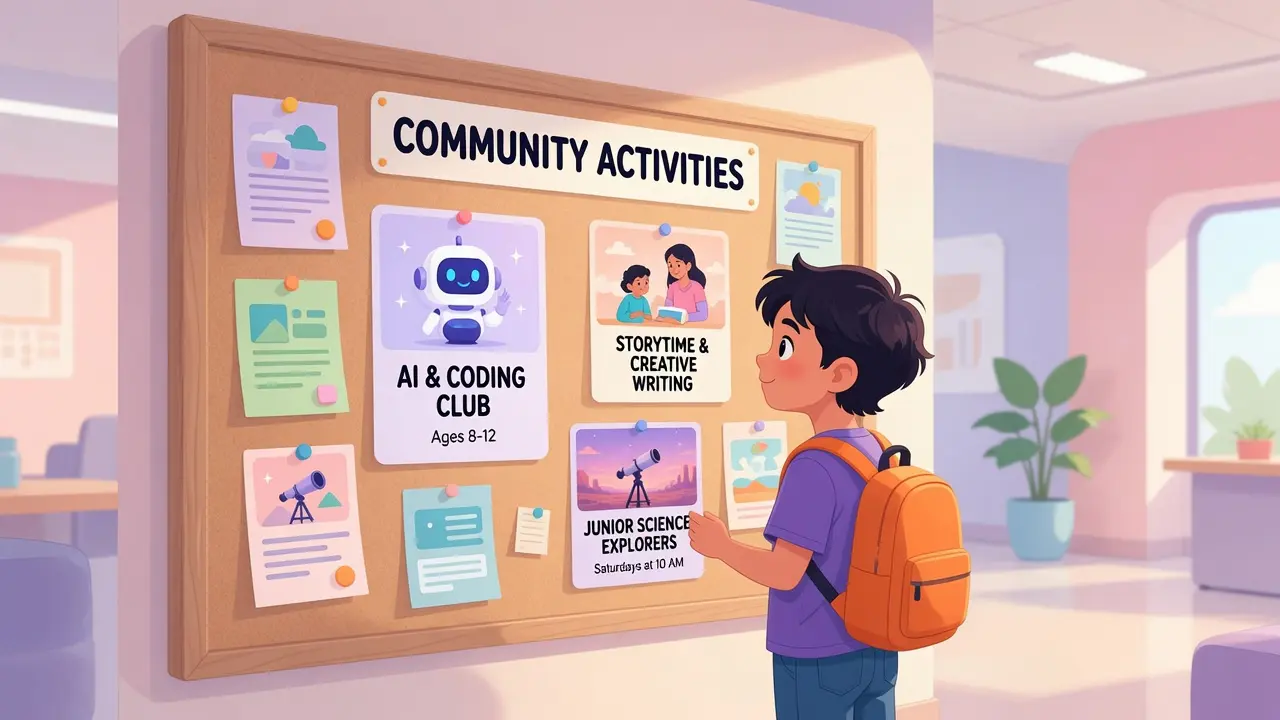
Consider local community activities that focus on shared interests rather than just social performance. Is there a local nature center offering a drop-in activity for 8-year-olds? A library program that brings children together for a building challenge? These settings are excellent because the primary focus is the activity, which removes the pressure to immediately establish deep social bonds. By participating in these settings, your child can observe others and interact on their own terms, rebuilding their sense of social efficacy.
Collaborative Problem-Solving for Social Connections
If your child expresses a desire for more interaction, engage them in a collaborative planning process. Ask them, What kind of activity would you like to do this week, and who could we invite? By making the child the architect of their social life, you shift them from a passive participant to an active agent.
Start small. Maybe they want to invite one peer for a specific afternoon activity, like building a model or playing a card game. Help them handle the logistics, such as checking with the other parent, but leave the execution to them as much as possible. When they succeed in organizing even a simple meeting, it reinforces the belief that they have the power to create the social experiences they desire.
Normalizing the Shifting Pace of Summer
Finally, help your child understand that social rhythms change. Discuss the concept of a season as a period of transition. Just as the classroom environment is high-stimulation and socially dense, the summer is a lower-density period. This is an objective fact that has nothing to do with their likability or their worth as a person.
Encourage your child to use this time to explore their own interests without the constant gaze of their peer group. Whether it is learning a specific craft, practicing a sport, or reading a new series of books, these independent pursuits help build a core identity that is not solely reliant on social approval. By balancing the need for connection with the development of self-sufficient interests, you ensure your 8-year-old remains grounded, curious, and resilient throughout the summer months.