
Road Trip Reading Secrets for Your 2nd Grader
The Developing Reader in the Passenger Seat
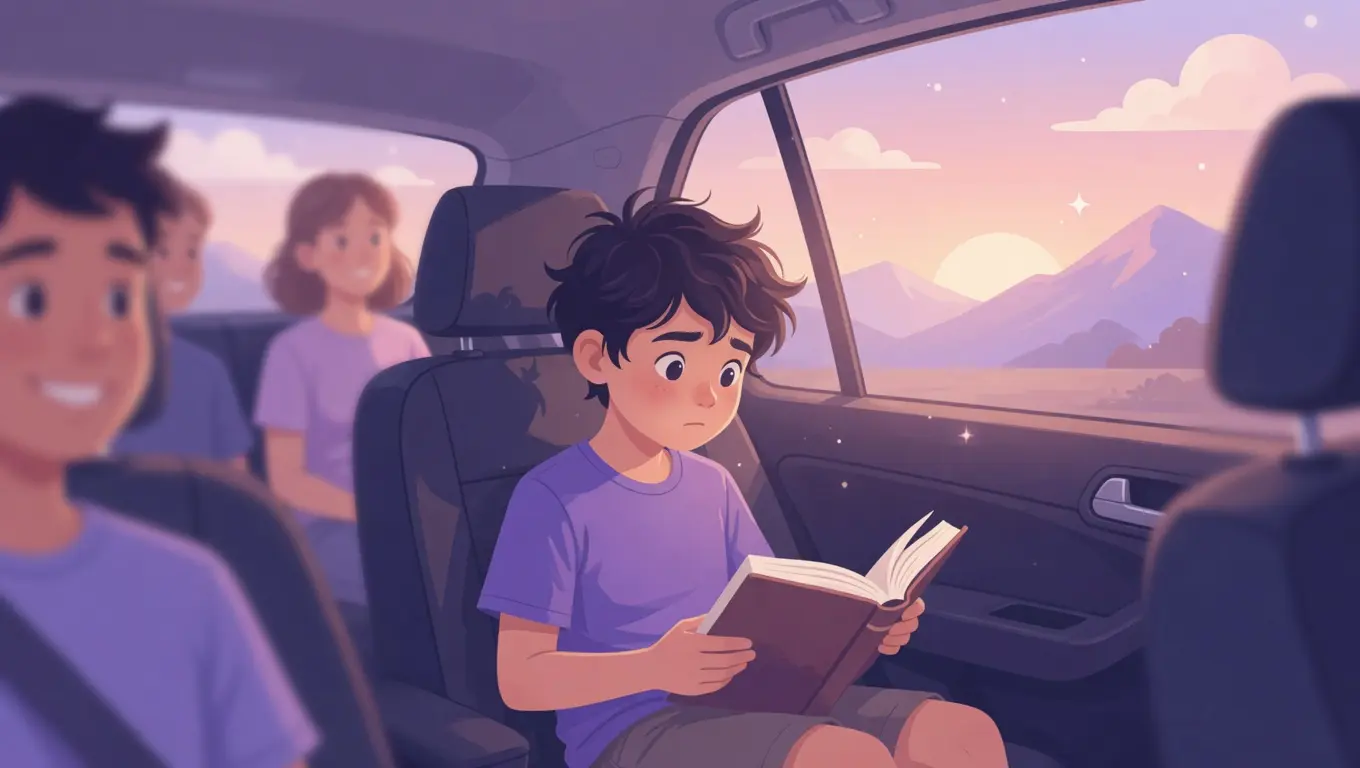
At seven or eight years old, a 2nd grader is transitioning from learning to decode words to analyzing the meaning within increasingly complex texts. This stage requires active engagement where the child moves beyond simply identifying words to understanding character motives, plot progression, and cause-and-effect relationships. During the long hours of summer road trips, this cognitive transition can suffer from lack of engagement, or it can be nurtured through intentional, low-stakes activities that bridge the gap between reading and critical thinking.
Narrative Prediction and Plot Analysis
One of the most effective ways to build comprehension is to force the child to pause and predict. When listening to an audiobook or reading aloud together, stop at key moments to ask what they think will happen next and why. A 2nd grader often focuses on the most immediate action, so push them to consider the context. If a character is described as being nervous about a storm, ask the child to explain why that character might feel that way, based on what they already know about the character history or personality.
This activity requires the child to synthesize information they have already heard with new plot developments. It forces them to maintain a mental map of the story. If they make a prediction, revisit it after the scene concludes. If the outcome differs, discuss the reasoning. This process teaches the child that stories have internal logic, which is the foundational skill for independent reading comprehension.
Building Context Through Observational Games
Reading comprehension is heavily reliant on the reader ability to form mental models of settings and events. Use the scenery outside the car window to practice these visualization skills. Ask your 2nd grader to describe a specific location you are passing by, using specific adjectives and action verbs. For instance, instead of asking what they see, ask them to describe the environment as if they were writing a story about a character living there.
By requiring them to translate visual input into precise language, you are training their brain to process descriptive text more effectively. When they return to their books, they will be better equipped to decode the author sensory descriptions and build more accurate mental representations of the scenes they read.
Collaborative Storytelling and Character Studies
Use the time in the car to play collaborative storytelling games. Start a plot by introducing a character and an initial problem. Have your 2nd grader continue the story by adding one detail about the character reaction. Take turns building the narrative. This exercise forces the child to think about how characters interact with their environment and how choices lead to consequences.
Focus on the internal logic of the story. If the child suggests a character does something out of character, ask them why that action makes sense given the traits established earlier. This helps them learn to identify character consistency and development, which is critical for understanding the books they read in their classroom curriculum.
Identifying Main Ideas in Informational Text
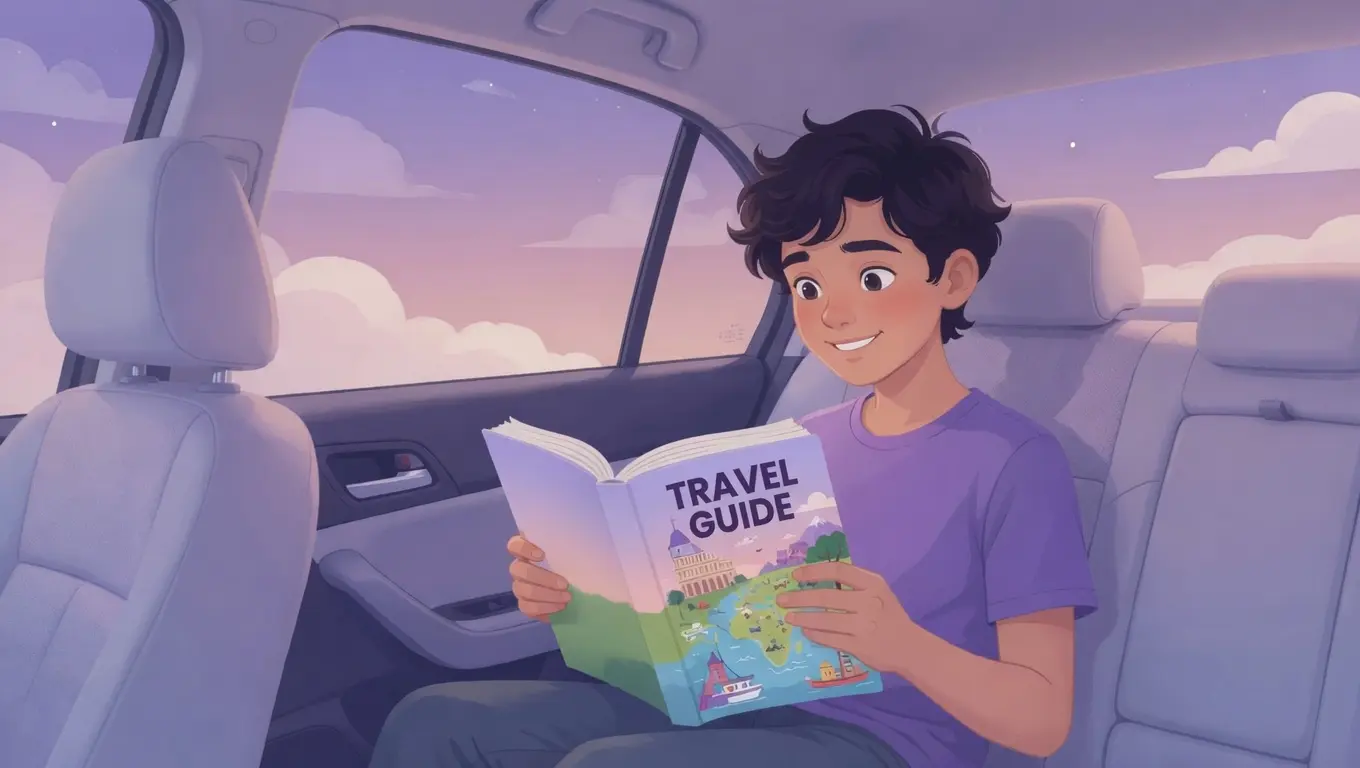
Road trips offer ample opportunities to read signage, brochures, and maps. When visiting a new site or stopping at a rest area, ask your child to read a paragraph from a visitor guide or a plaque and identify the main topic. A 2nd grader can struggle with distinguishing between primary information and minor supporting details. Help them categorize information by asking what the author is trying to teach the reader about the place.
If the plaque describes the history of a bridge, ask them to identify the key event and why that event was important to the local community. This practice moves them away from reading for simple information retrieval and toward reading for conceptual understanding.
Evaluating Comprehension through Questioning
When your child finishes a chapter, avoid asking broad questions like did you like it. Instead, ask specific questions that require them to use evidence from the text. For example, ask them to identify a moment where a character had to make a tough choice or to explain how a character changed from the start of the book. These questions require the child to search the text or their memory for specific evidence, which reinforces the habit of active reading.
If the child is unable to answer, encourage them to re-read or re-listen to that section, focusing specifically on the character perspective. This reinforces the idea that understanding a text is a process of investigation and that the answers are usually hidden within the author words.
By integrating these habits into your travel, you turn the car into an extension of the classroom without the pressure of typical school assignments. Your 2nd grader will develop the analytical muscles necessary for higher level reading comprehension while enjoying the journey.