
Sneaking Reading Comprehension Into 7th Grader Road Trips
Transforming Travel Time into Literacy Opportunities
Summer road trips offer unique environments for strengthening reading comprehension for your 7th grader. By moving away from static screen time, you can turn long hours in the car into active engagement with literature and informational text. A 7th grader is at an age where they can analyze complex themes and synthesize information, making travel an ideal time to deepen these analytical abilities through targeted, non-traditional methods.
The Audiobook Analysis Method
Audiobooks are not just for entertainment. They provide a sophisticated platform for building listening comprehension and critical analysis. Choose a narrative that aligns with your destination. If you are traveling through the American West, listen to accounts of westward expansion or historical fiction set in that region.
After a listening session, move beyond the basic plot summary. Ask your 7th grader to compare the perspectives of different characters or to evaluate the reliability of the narrator. You might ask, How does the author use the setting to influence the character's decisions, or What evidence does the author provide to show the character's internal motivation? This focuses on the higher-order thinking skills required in 7th grade literature curricula without the pressure of a formal classroom setting.
Destination Research and Informational Literacy
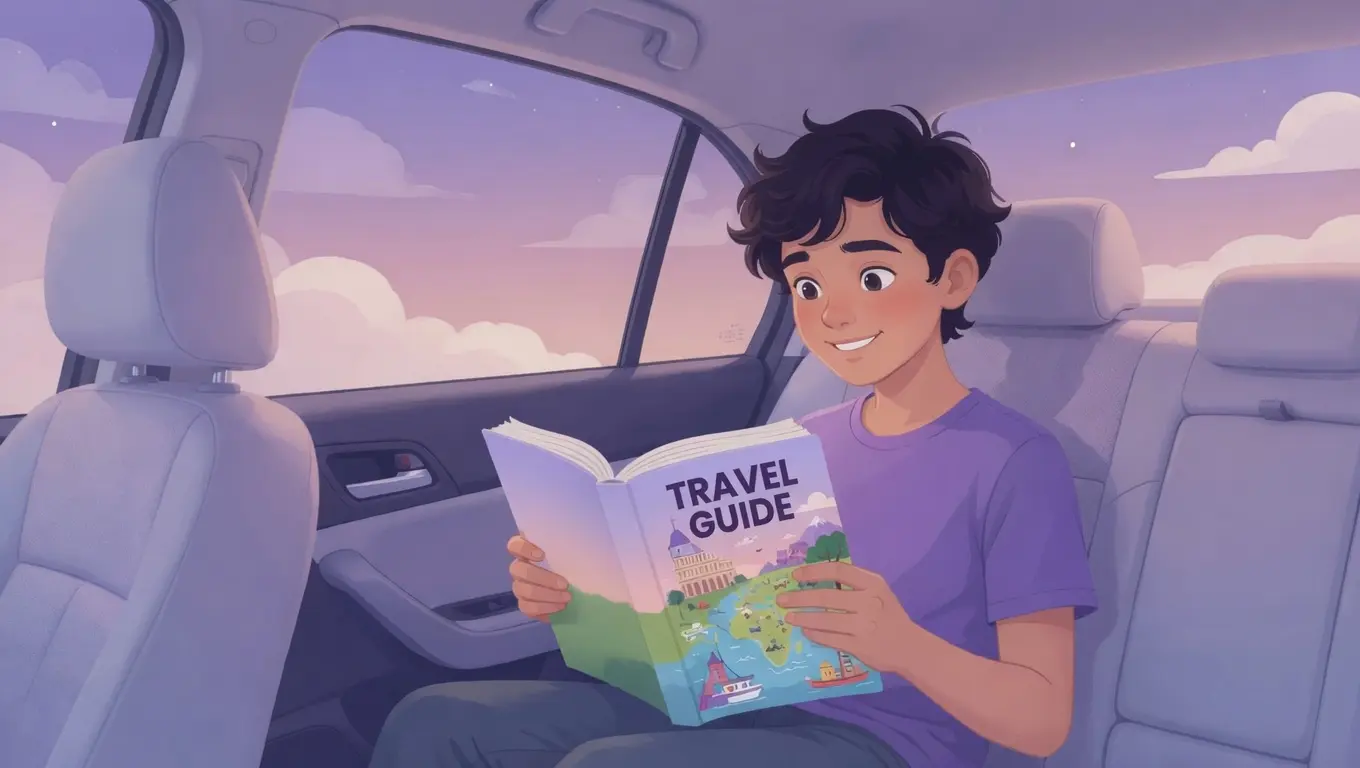
Before you arrive at your destination, task your 7th grader with becoming the expert. Provide them with a stack of travel brochures, websites, or historical guides. Ask them to synthesize the information to create a coherent itinerary for a single day of the trip. This requires them to read critically, identify key information, and determine the significance of specific sites.
This activity forces the student to navigate informational texts, distinguish between factual information and marketing copy, and organize content to support a specific plan. If your child struggles to prioritize, ask them to justify their choices based on the information provided in the sources. This aligns with the academic requirement for students to cite evidence from a text to support their analysis.
Interactive Mapping and Contextual Reading
Reading a map is a form of comprehension. It requires the ability to interpret symbols, scale, and spatial relationships. Throughout the trip, have your 7th grader monitor your progress on a physical road map. Ask them to correlate what they read on the map with the landscapes passing by outside the window. This reinforces the relationship between symbolic representation and physical reality.
Incorporate road signs, historical markers, and informational placards at rest stops. Challenge your child to read these texts and explain the historical context or the purpose of the site. If you stop at a state park, have them read the posted rules and explain the ecological reason for those specific regulations. This teaches the importance of context and purpose in reading, two fundamental pillars of comprehension.
Fostering Independence Through Inquiry
When your child encounters unfamiliar vocabulary or complex concepts on the road, avoid providing immediate answers. Instead, encourage them to use the context of the surrounding paragraphs to infer the meaning. If they are reading an article about a historical landmark, ask them to identify the main claim the author is making and what reasoning supports that claim.
By treating your child as a lead investigator rather than a passenger, you empower them to take control of their learning. This shift in dynamic allows the parent to observe the child's thought process and provide guidance only when necessary. By facilitating these conversations, you ensure that the road trip remains a period of cognitive growth, keeping your 7th grader engaged and sharp for their return to school.