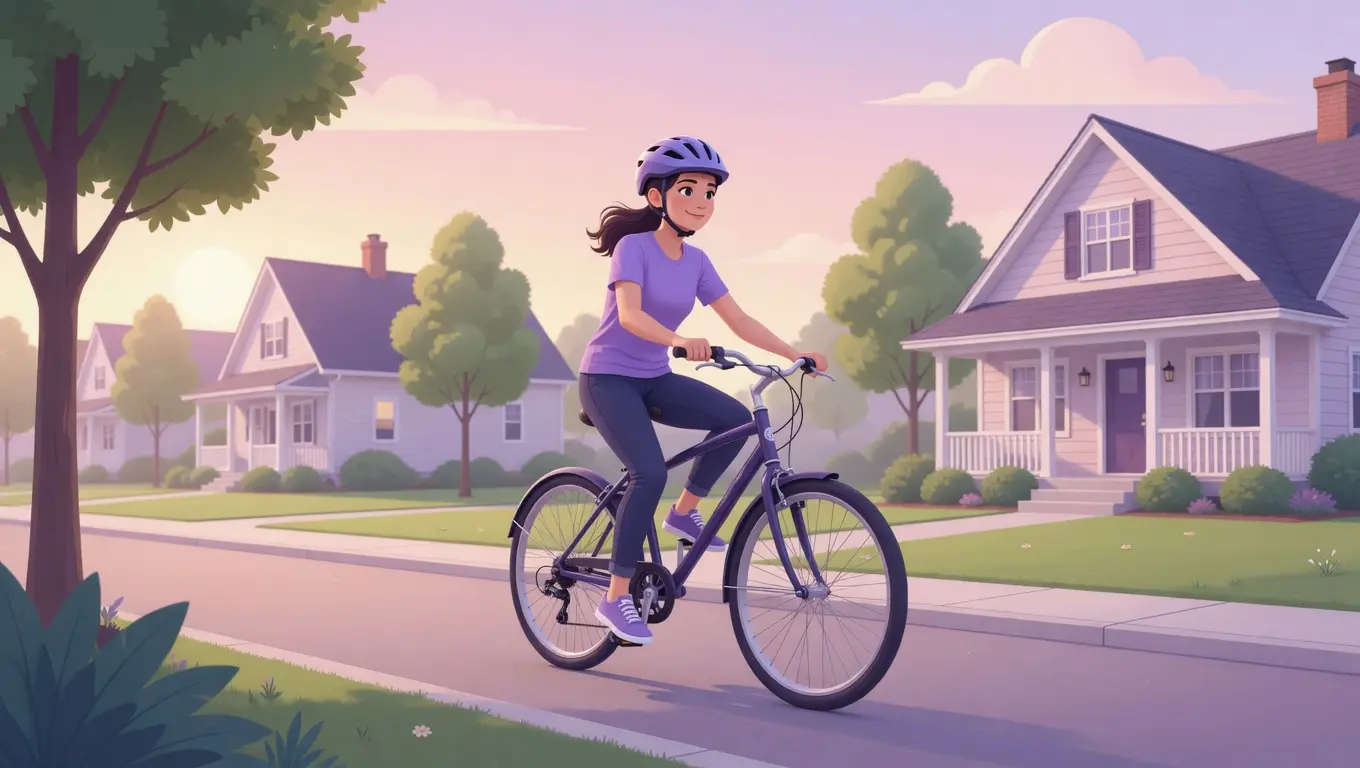
Safe biking and neighborhood travel for a 9-year-old
Establishing a foundation for neighborhood safety
At nine years old, children have the cognitive capacity to understand traffic patterns and the physical coordination to operate a bicycle reliably. Independence in neighborhood travel does not happen instantly. It requires a systematic approach to familiarization and testing. Your role is to provide the parameters and allow the child to prove their competence in controlled settings.
Practicing the route together
Before allowing independent travel, map out the destination and walk or bike the route with your child several times. Point out intersections that require extra attention and identify landmarks that serve as safe stopping points. Do not assume they understand street signs or right-of-way rules just because they have been a passenger in your car. Observe their decision making at each crossing. If they consistently check for traffic, they are ready for the next level of independence.
Essential safety mechanics
Safety is a product of mechanical habits. Ensure the bike is correctly sized and that the helmet fits securely. A 9-year-old can take responsibility for these checks. Include a pre-ride inspection as part of the routine: check tire pressure, test the brakes, and ensure the seat is at the right height. This practice helps them learn that safety equipment requires consistent maintenance.
Teach clear hand signals for turning. Regardless of how well they think they know the neighborhood, they must signal their intentions to drivers. Practice these signals in a driveway or parking lot until they become muscle memory. When you feel they are ready, shadow them from a distance on a trial run. Observe if they signal consistently without prompting. If they fail to do so, have them pause the ride and discuss why those signals are critical to their visibility.
Navigating traffic and intersections
Intersections are the most complex part of neighborhood travel. Teach your child to always stop at stop signs, even if the road appears empty. The goal is to establish the habit of stopping rather than rolling through. Discuss the concept of a blind spot and why a driver might not see them, even if they see the driver. This objective look at risk helps the child evaluate their surroundings with more nuance.
If they are biking to a friend's house, have them describe the route and the most challenging intersection to you beforehand. Ask them how they plan to navigate it. This verbal rehearsal helps them think through the logic of their path before they encounter real traffic.
Conclusion
Granting your 9-year-old the independence to bike or navigate the neighborhood is a milestone in their development. By practicing routes, verifying their mechanical habits, and focusing on clear traffic communication, you provide a structure that supports their freedom while ensuring they are equipped with the skills needed to manage the risks of the road. Independence is built through repeated, successful practice.