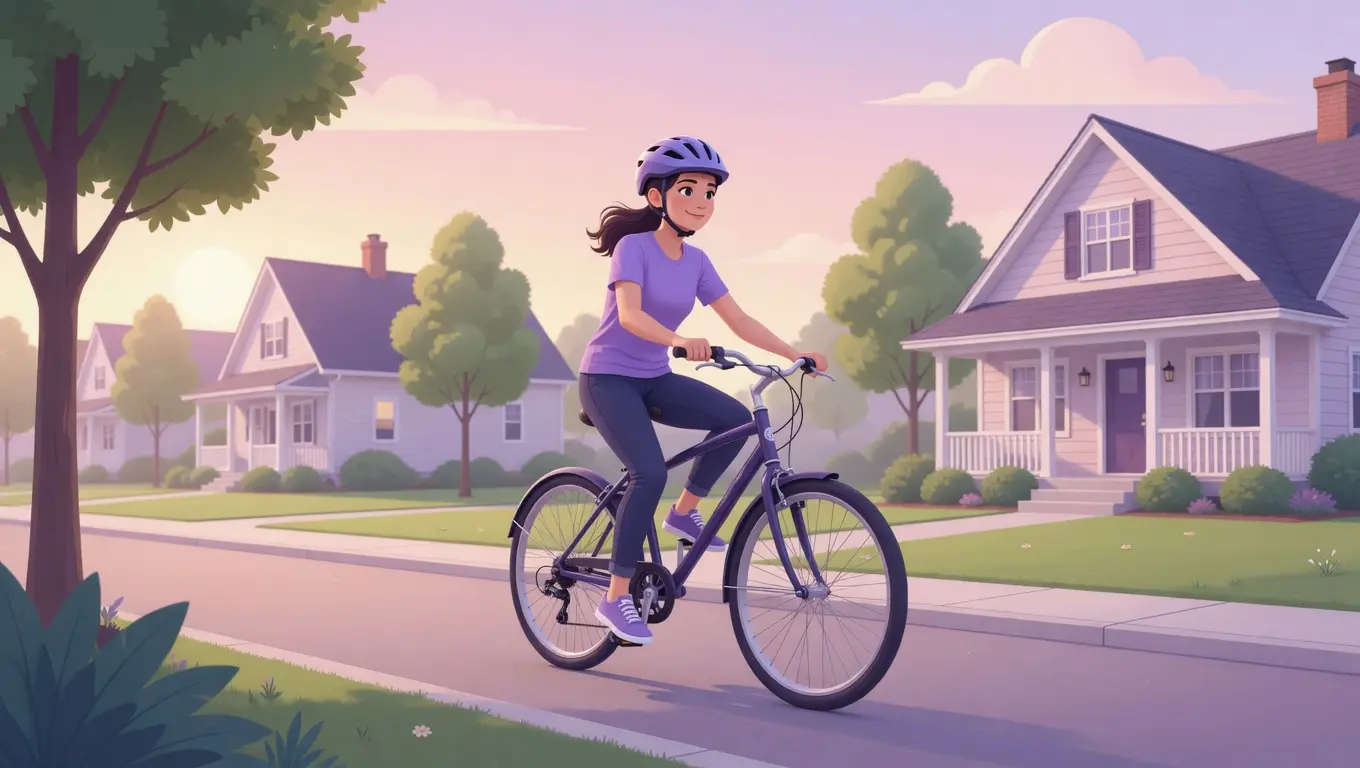
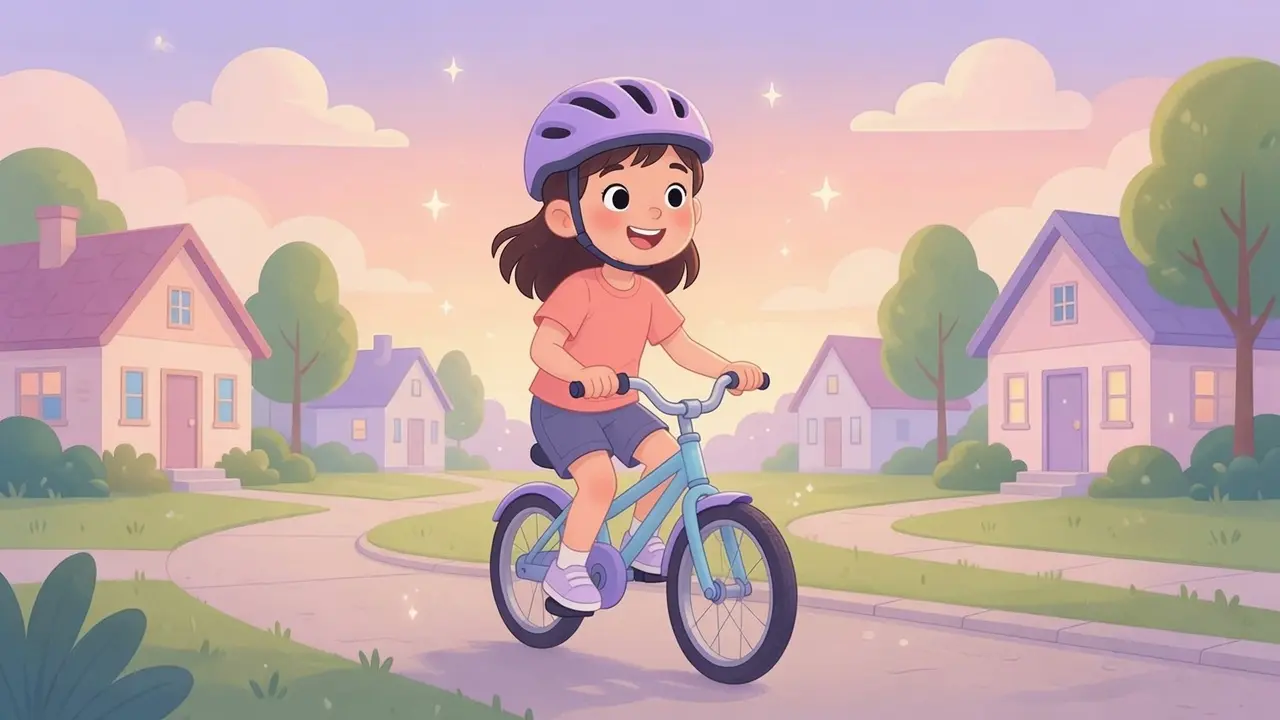
Safe Neighborhood Biking for Your 10-Year-Old
The Transition to Neighborhood Independence
At ten, a child possesses the spatial awareness and impulse control necessary to begin navigating their immediate neighborhood on a bicycle. This phase marks a significant shift in their daily mobility and requires moving from supervised recreation to independent transit. Your role is to help them translate their knowledge of traffic rules into real-world application, ensuring they can judge conditions objectively.
Establishing Route Competence
Begin by mapping out routes that minimize high-traffic intersections. Before allowing independent travel, ride these paths together several times. Ask your child to lead the way while you follow at a distance. This practice helps you observe their decision-making process. Are they scanning intersections? Are they checking for vehicles exiting driveways? Are they maintaining a predictable line on the road?
Focus on specific, observable behaviors rather than general safety warnings. Point out potential hazards such as blind corners, debris on the road, or parked vehicles that could obscure a driver's view of a cyclist. By walking or riding through these scenarios, you help your child understand the cause-and-effect relationship between their positioning and their visibility.
Mastering Traffic Rules Through Application
Ten-year-olds can learn the mechanics of right-of-way and road signaling. Teach your child to use hand signals for turns and to come to a full stop at every stop sign. Explain that a stop sign is not a suggestion but a requirement for their own safety and for clear communication with drivers. If they encounter a complex intersection, have them articulate why they chose a particular path. This forces them to think through the logic of traffic flow rather than relying on rote imitation.
Situational Awareness and Problem-Solving
Independent travel requires constant situational awareness. Teach your child to watch for telltale signs of movement: a car light reflecting in a window, the sound of an engine starting, or a door opening on a parked vehicle. If they encounter a situation they are unsure about, such as construction or a sudden traffic detour, instruct them to dismount and walk their bike on the sidewalk until the environment is clearer.
Discuss what to do in case of common mishaps, such as a dropped chain or a flat tire. Providing them with a basic kit and showing them how to fix these small issues builds self-reliance. If they have an accident or encounter an intimidating situation, emphasize that the most important step is to stop and assess the scene, moving to a safe area away from the road.
Cultivating Trust and Responsibility
Reliability is built through consistent adherence to established rules. Start with short, designated neighborhood loops before allowing longer trips to friends or local shops. If they follow the safety plan, extend the range of their travel. If they disregard the rules, bring them back to the supervised stage. This approach removes emotional conflict and places the responsibility for their freedom directly on their ability to manage the environment safely.
By helping your child navigate their surroundings with logic and foresight, you prepare them to move safely through the world. The goal is not to eliminate all risk but to equip them with the tools to manage it effectively. Over time, this daily practice of independent navigation builds confidence in their own judgment, ensuring they can travel with precision and caution.