Safe Gaming Habits for an 8-year-old
The World of Multiplayer Gaming
For an 8-year-old, multiplayer gaming can be a highly engaging social activity that offers opportunities for collaboration and strategic thinking. However, the open nature of these platforms also introduces challenges regarding communication with strangers and exposure to unpredictable social dynamics. The key to ensuring a positive experience is to shift the focus from playing alone to structured, intentional participation.
Prioritizing Cooperative Play
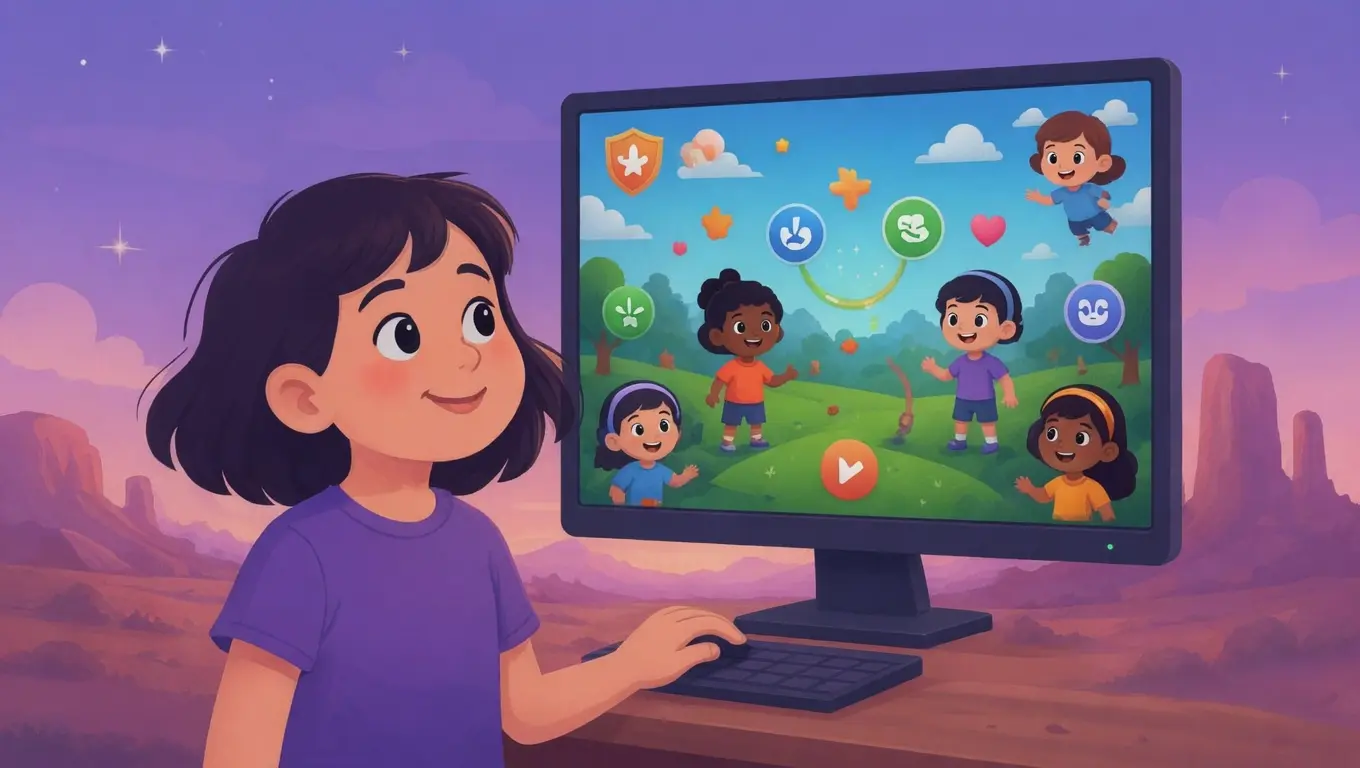
At age eight, children often benefit from games that emphasize cooperation rather than competition. When children work together to solve a problem or build an environment, they practice communication skills and learn to respect others' contributions. Encourage games where the goal is a shared outcome. This inherently limits the focus on individual performance and reduces the tendency toward frustration or aggressive behavior when outcomes do not go as planned.
Setting Rules for Communication
Communication is the most significant variable in multiplayer gaming. Many platforms have voice or text chat enabled by default. To maintain a safe environment, verify these settings and consider the following approach:
- Friends-Only Chat: Configure game settings so that only known friends can communicate with your child. This prevents exposure to unsolicited interactions from strangers.
- Disabling Chat Entirely: For many 8-year-olds, text or voice chat adds little value to the gameplay. Disabling these features allows them to focus on the game mechanics without the potential for negative or distracting social input.
- Open Room Monitoring: Keep the gaming area in a common space where you can casually observe the tone and content of the interaction. This provides an opportunity to offer guidance in real time rather than stepping in only after an issue occurs.
Building Digital Competence
Use gaming as a bridge to discuss digital behavior. If you encounter an instance where another player is behaving unkindly, use it as a learning opportunity. Ask your child how that interaction made them feel and what steps they think would be appropriate to take, such as blocking the user or leaving the server. By empowering them to manage these interactions themselves, you build their ability to judge information and behavior critically.
Managing Time and Intensity
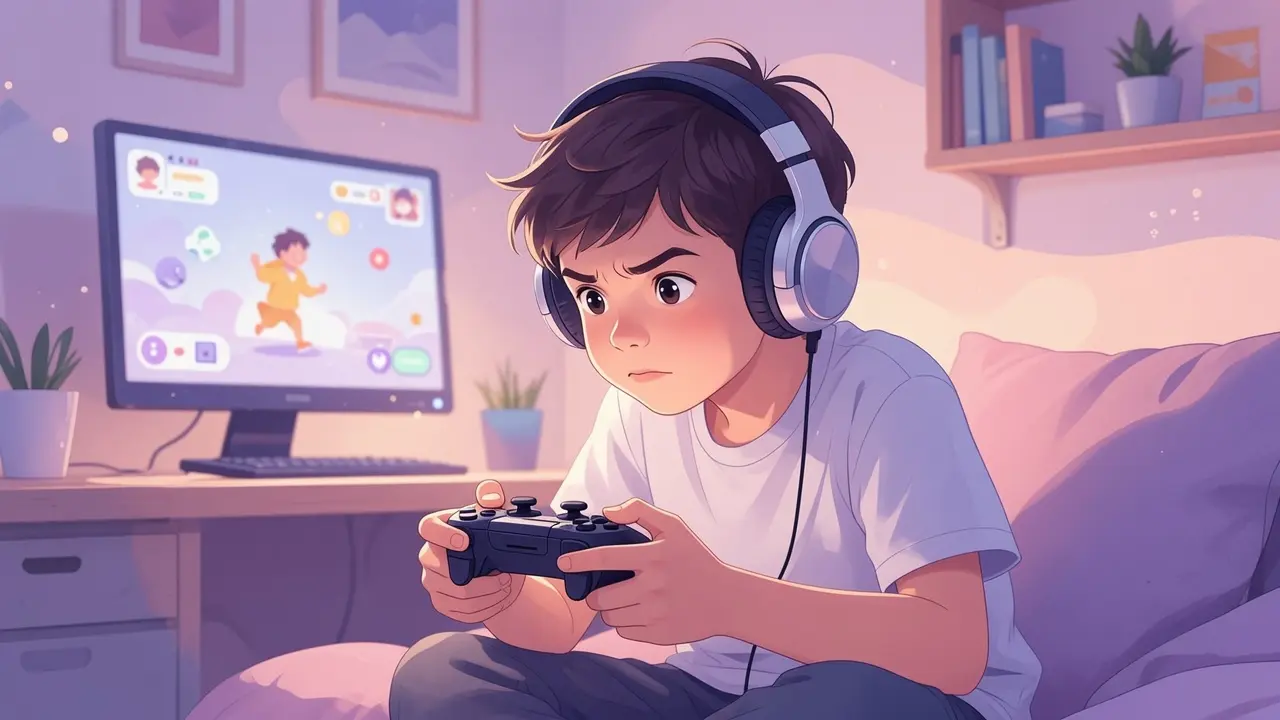
Long summer afternoons can easily lead to intense gaming marathons. Break these sessions into smaller, logical chunks. If a game round takes twenty minutes, set a limit on how many rounds can be played consecutively before taking a break for a different type of activity. This helps the child regulate their focus and avoids the fatigue that often leads to frustration.
Conclusion
Safe multiplayer gaming is achievable through consistent guidance and thoughtful configuration. By choosing the right games, managing communication settings, and remaining involved in your child's digital life, you allow your 8-year-old to explore these virtual worlds in a way that is both fun and secure.