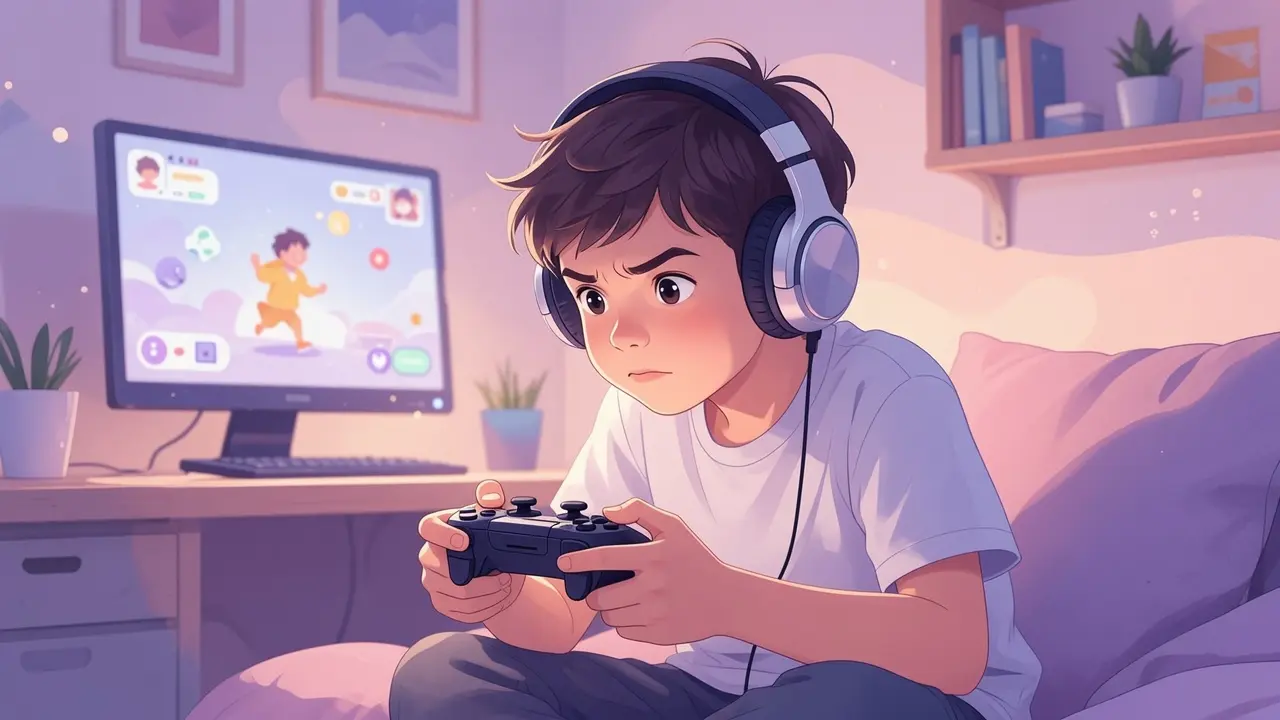
Safe Multiplayer Gaming for a 12-Year-Old
The Summer Gaming Landscape
Long summer afternoons provide ample time for gaming, and for a 12-year-old, multiplayer environments are often the primary site for social interaction. These spaces allow for collaboration, strategic thinking, and team dynamics that can be genuinely positive. However, they also introduce risks that parents must actively manage. The goal is to move from passive oversight to active coaching, helping your 12-year-old navigate these interactions with awareness and confidence.
At 12, a child is learning to read social cues and understand the nuances of peer pressure. In a gaming lobby, these social skills are tested in real time. They may encounter toxic behavior or be pushed to join games with strangers. Your role as a parent is to equip them with the analytical tools to handle these situations, rather than simply restricting their access.
Strategies for Safe Play
Shift the focus from what they cannot do to how they can play safely. Use these principles to build a robust gaming framework.
- Define the Circle of Play: Encourage your child to play primarily with known friends. If they play in public lobbies, discuss the risks of sharing personal information, even in a subtle way. A 12-year-old should understand that the people they meet in a game are not their friends, regardless of how friendly they may seem during a match.
- Enable Privacy and Safety Tools: Work with your child to review the in-game settings. Many modern games have robust privacy features, such as muting voice chat, disabling friend requests from unknown users, and restricting message history. Sit down and turn these on together, explaining why each is a protective measure.
- Model Healthy Conflict Resolution: If your child experiences frustration with a teammate or an opponent, listen to their side before offering advice. Ask them, "How could you have handled that interaction differently?" or "Does this teammate add value to your gaming experience?" This treats gaming challenges as an opportunity for social learning.
Understanding the Why of Online Safety
Avoid generic warnings. Instead, present specific, observable consequences of poor digital habits. For instance, explain how revealing a gamer tag can sometimes lead to harassment or how certain game behaviors can be used by malicious actors. When a 12-year-old understands the mechanism of risk, they are more likely to make prudent decisions when you are not in the room. This builds their digital judgment, a skill they will need as they move toward more complex online activities.
Balancing Gaming with Other Activities
Gaming can be an intense, all-consuming activity, especially during the summer. Help your child manage their energy levels. Encourage them to take regular breaks, drink water, and engage in physical movement. This is not about moralizing the hobby, but about respecting the physical and mental demands of their own development.
Practical Steps for Parents
- Join the game: Ask your 12-year-old to teach you how to play their favorite multiplayer game. Observing how they navigate the environment gives you invaluable context for your safety conversations.
- Set specific boundaries: Discuss what is acceptable in terms of language and competitive intensity. Make it clear that these standards apply regardless of how others in the lobby act.
- Listen to the stories: If they mention an interaction that went poorly, ask them about it. Validate their feelings while gently pointing out how to avoid similar situations in the future.
By taking an active interest in their gaming, you transform a potentially isolating activity into a shared endeavor. This approach builds trust and ensures your 12-year-old feels comfortable coming to you when they encounter difficulties in their digital world.