Safe Multiplayer Gaming for a 14-Year-Old This Summer
The Allure of Summer Gaming Sessions
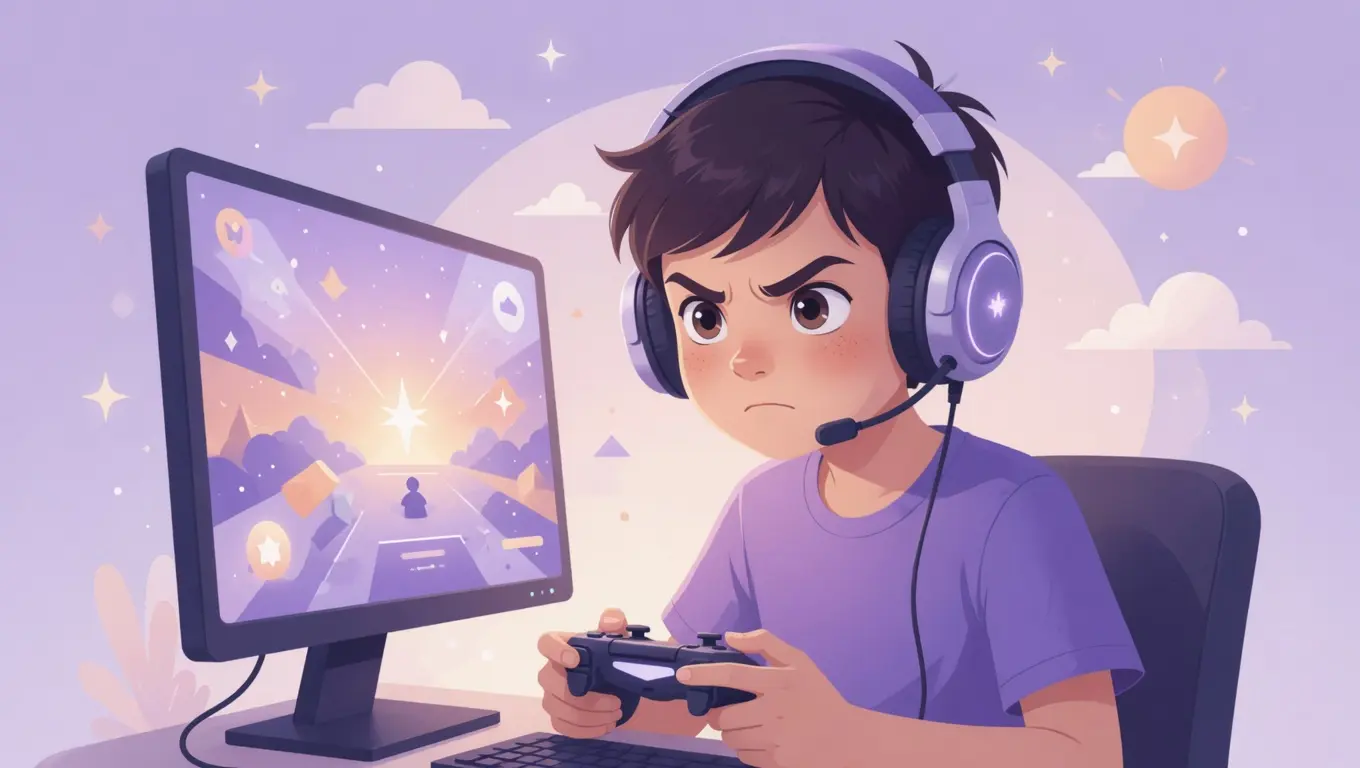
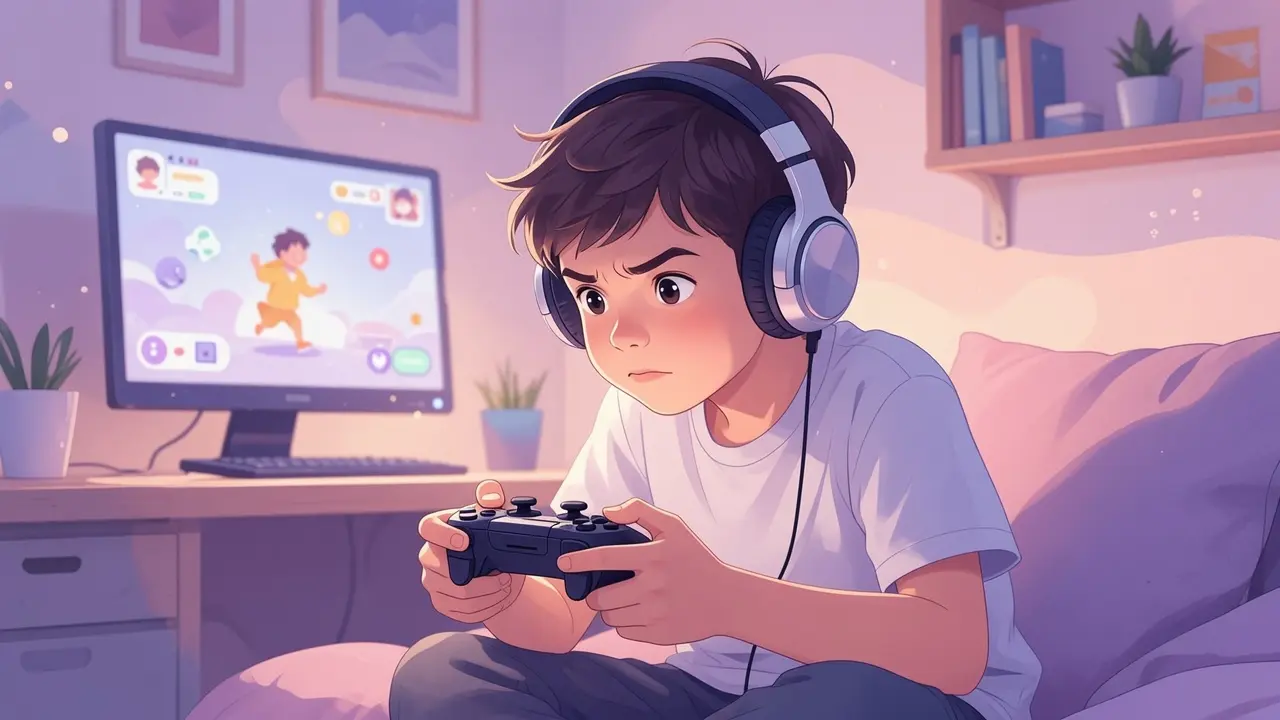
Long, unstructured summer afternoons are prime time for 14-year-olds to dive into multiplayer gaming. Whether they are coordinating strategies in competitive arenas or exploring open-world environments with friends, these virtual spaces are central to their social life. Managing safety in these environments is not about banning the activity but about equipping your teenager with the tools to navigate the social and technical risks inherent in online play.
Understanding the Developmental Dynamics
At fourteen, your child is learning to assert themselves and navigate peer dynamics. Multiplayer gaming amplifies these experiences, introducing them to rapid-fire social feedback, intense competitive pressure, and the occasional toxic interaction. Help your teenager understand that the 'why' of their online behavior matters; if they approach the game as a space for respectful competition rather than a venue for aggressive behavior, they will naturally cultivate a healthier gaming environment.
Developing Safe Gaming Habits
Transition your strategy from passive monitoring to collaborative goal-setting:
- Establish Communication Standards: Discuss what constitutes respectful communication in voice and text chats. Clarify that while their gaming style is their own, treating other players with basic respect is a non-negotiable family standard. Ask them what they would do if they encountered a toxic player.
- Review Privacy and Settings: Go through the game's settings with your child. Enable features that filter profanity or limit communication to 'friends only' if the game environment becomes overwhelmed by unwanted interactions.
- Implement Session Breaks: Gaming can lead to a flow state where time becomes distorted. Encourage them to set physical alarms or natural break points every hour. This resets their perspective and provides a moment to step back from the competitive intensity.
Navigating Real-World Gaming Challenges
If your teenager experiences harassment, handle it as a technical and social troubleshooting problem. Ask them to document the incident and discuss how the game's reporting mechanisms work. This treats them as an active manager of their own experience rather than a victim.
The Pressure to 'Win at All Costs'
If your 14-year-old is becoming overly focused on ranking or performance, encourage them to prioritize activities outside of the game. If they are feeling burned out, frame it as a logical trade-off; gaming loses its enjoyment if the pressure becomes the defining characteristic.
Managing In-Game Purchases
Long summer gaming sessions often expose teenagers to aggressive monetization strategies. Discuss the mechanics of these purchases beforehand. Ask them to evaluate the value of an item versus the time they spent earning or saving for it. This helps them understand the economic intent behind in-game shops.
A Collaborative Conclusion
Safe multiplayer gaming is built on a foundation of critical thinking and self-regulation. By discussing these strategies with your 14-year-old, you help them understand the mechanics of their online environment. The goal is for them to emerge from their summer gaming sessions with not just higher ranks, but with a refined ability to engage in online spaces responsibly and effectively.