Safe neighborhood navigation for an 11-year-old
Developing situational awareness on two wheels
At 11 years old, your child is capable of managing the complex sensory input involved in navigating neighborhood streets. The key to safe, independent biking is moving beyond general reminders to be careful, and instead equipping your child with specific strategies for identifying and managing risk. Independence in their movement requires that they understand the environment is dynamic, not static.
Planning the route together
Start by mapping out safe routes together. Avoid high-traffic arterial roads in favor of residential streets with lower speeds. Walk or bike these routes with your child multiple times at different times of day to see how traffic patterns shift. When planning, ask your child to identify potential trouble spots: blind intersections, busy driveways, or areas where cars frequently park. By involving them in the planning process, you move the responsibility for route safety from your knowledge to their judgment.
Mastering road rules and visibility
An 11-year-old should know and demonstrate standard traffic rules for bicyclists. This includes stopping at all stop signs, signaling turns, and riding in the same direction as traffic. Teach them that being visible is just as important as being predictable. Use a high-quality headlight and taillight even during daylight hours. High-visibility clothing or reflective gear helps them stand out to drivers. When they understand that their visibility directly correlates to how easily drivers can avoid them, they become more invested in using the equipment correctly.
Navigating intersections and driveways
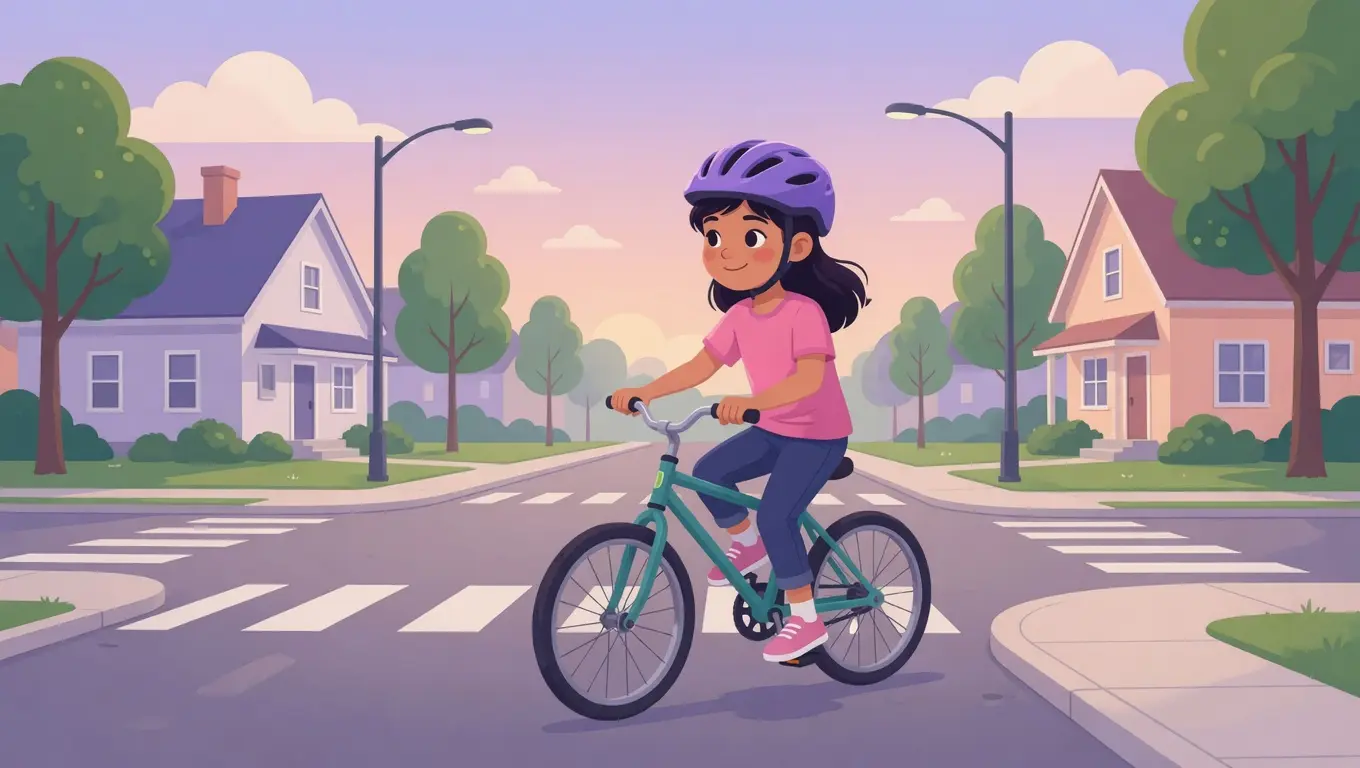
Intersections are the most common location for accidents. Teach your child to always make eye contact with drivers at stop signs before proceeding. If eye contact cannot be confirmed, they should assume the driver does not see them. Similarly, practice scanning driveways while riding. When they approach a parked car, teach them to watch for brake lights or exhaust, which indicate a car is about to back out. These specific actions transform navigation from a passive activity into a series of conscious, proactive decisions.
Practicing problem solving on the road
Even with a planned route, unexpected events happen. A road might be blocked by utility trucks or a stray dog might enter the path. Discuss these scenarios beforehand. What should they do if they feel uncomfortable on a certain road? How should they handle a situation where a driver is being unpredictable? By framing these as logical problems to solve, you help your child maintain composure. They should know that if they feel unsafe, the best action is to stop, dismount, and walk their bike on the sidewalk until they reach a more comfortable section of the road.
Establishing the threshold for freedom
Before granting permission to navigate alone, conduct a final assessment. Have your child lead a ride where you follow at a safe distance. Observe their behavior at intersections and their awareness of their surroundings. Do they stop without being told? Do they scan for cars backing out of driveways? If they demonstrate these habits consistently, they are ready for increased autonomy. If they remain distracted or rely on you to call out hazards, continue practicing together until their awareness catches up to their physical abilities. Independence is earned through repeated demonstration of safety and judgment.