
Smartphone Rules for an 11-Year-Old at Summer Camp
The Role of Smartphones at Camp
An 11-year-old is at a developmental stage where they possess the capacity for complex reasoning but often struggle with impulse control in social settings. When an 11-year-old brings a smartphone to summer camp, they face two distinct pressures: the desire to document their experiences for peers and the inherent temptation to use the device as a social shield during uncomfortable moments. Understanding this allows you to craft rules based on observable behavior rather than abstract fear. Treat the phone as a tool for safety, not a companion for leisure.
Establishing Logistical Boundaries
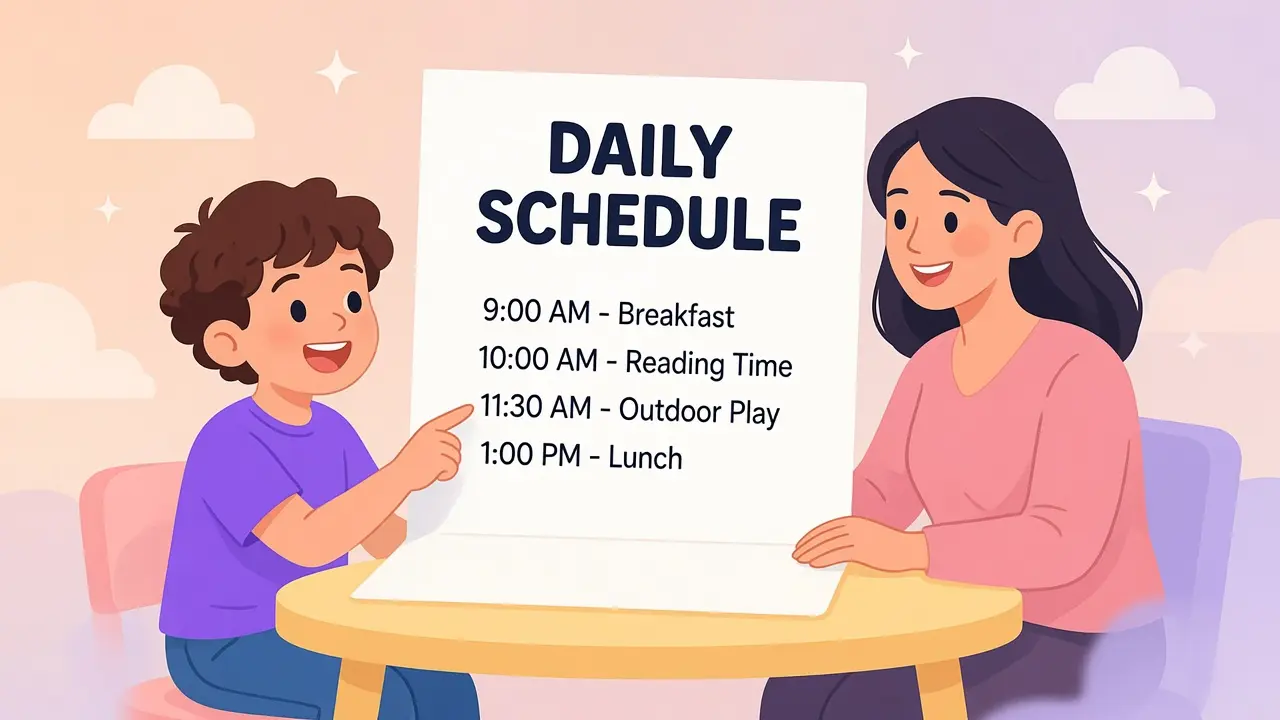
Before packing the bag, define when the device is accessible. At 11, children are capable of adhering to a schedule if they understand the rationale. Communicate that the purpose of the device is for specific communication tasks, such as calling home at an agreed-upon time or navigating transit, rather than unstructured recreation.
Create a physical or digital checklist that dictates usage periods. For example, specify that the device remains in a secure, designated area during organized camp activities. This ensures the 11-year-old remains engaged with their immediate physical environment. If they can articulate why a specific time window is necessary, listen to their perspective, but maintain the primary rule that the camp activity takes precedence over digital availability.
Privacy and Data Security Protocol
Summer camp environments are communal. A smartphone left unattended or used in a shared cabin presents privacy risks. Instruct your 11-year-old to ensure all location tracking and data sharing settings are audited before departure. Explain the concept of metadata, such as how photo timestamps and location tags reveal their specific whereabouts to strangers online.
Walk them through the process of disabling automated cloud backups that might inadvertently sync photos or files to a public folder. By showing them exactly how to toggle these settings, you transition from monitoring their device to empowering them with the knowledge to maintain their own digital security.
Navigating Social Interactions
An 11-year-old often worries about missing out on social dynamics. They may feel that they must check social feeds or group chats to remain relevant among their peers at home. Address this by discussing the concept of digital presence. Explain how constant phone use interrupts their ability to forge authentic connections with their new camp mates.
If they find themselves tempted to pull out the phone, suggest an alternative action. They could instead ask a fellow camper a question about an ongoing activity or record a memory in a physical journal. Present this as a trade-off: every minute spent staring at a screen is a minute they are not learning from the unique camp experience. This logic-based approach is more effective than simply forbidding the device entirely.
Natural Consequences for Rule Breaking
Avoid shaming your child if they deviate from the agreed rules. Instead, frame any infractions as a failure of the current strategy. If the 11-year-old uses the phone during restricted hours, use it as a data point to reassess the plan. Perhaps the rules were too vague, or the device itself was too accessible.
Involve them in the follow-up conversation. Ask, What happened when you were tempted to use the phone during the activity? How can we change the storage location or the rule to better support you tomorrow? This collaborative problem-solving approach reinforces their role in managing their own behavior.
Balancing Safety and Independence
Ultimately, the goal is to equip your 11-year-old to make independent decisions when you are not there to supervise. By setting clear expectations, auditing privacy settings together, and maintaining an open dialogue about the reality of digital social pressure, you provide the necessary structure. As the camp session continues, monitor their reports of how the device influenced their day. Adjust your guidance as needed to ensure the technology serves as a tool for safety, not a barrier to the summer experience.