
Turning the Backyard Into a Summer Learning Lab
For older elementary students, the backyard is often underutilized, viewed merely as a space for aimless running. With their increasing capacity for systematic inquiry and attention to detail, this outdoor environment can serve as a potent laboratory. Instead of presenting the outdoors as a place for simple play, frame it as a site for ongoing investigation. By providing specific tools and identifying authentic problems, you can help your child transition from passive observer to active researcher.
Establishing a Site of Inquiry
Begin by designating a specific area of the yard as an observation site. For an older elementary child, this should move beyond general looking toward purposeful data collection. Encourage them to map their chosen spot, noting the variety of flora, insect life, or changes in soil conditions over several weeks. Provide tools that support precision, such as a magnifying lens, a field notebook, or basic measuring tapes.
This is not a project meant to result in a perfect garden, but one focused on noticing patterns. Why are certain plants thriving in this specific corner of the yard? What environmental factors might contribute to the distribution of insect life? Help them move from naming things to identifying relationships. This shifts their engagement from identification to synthesis, teaching them that all systems, no matter how small, operate according to observable rules.
Experimental Design in the Outdoors
Use the space to conduct controlled experiments. Older elementary students possess the maturity to understand variables. Challenge them to investigate how sunlight levels impact the growth rate of two identical plants in different parts of the yard, or to design a simple drainage model to understand how water patterns affect the local micro-environment after a rainstorm.
When designing these experiments, have them form a prediction based on their observations. If they hypothesize that a plant will grow faster in the shade, help them define how they will measure that growth, is it height, leaf count, or overall color vibrancy? The process of creating a repeatable measurement tool is, in itself, a significant intellectual achievement for this age group.
Engineering in the Wild
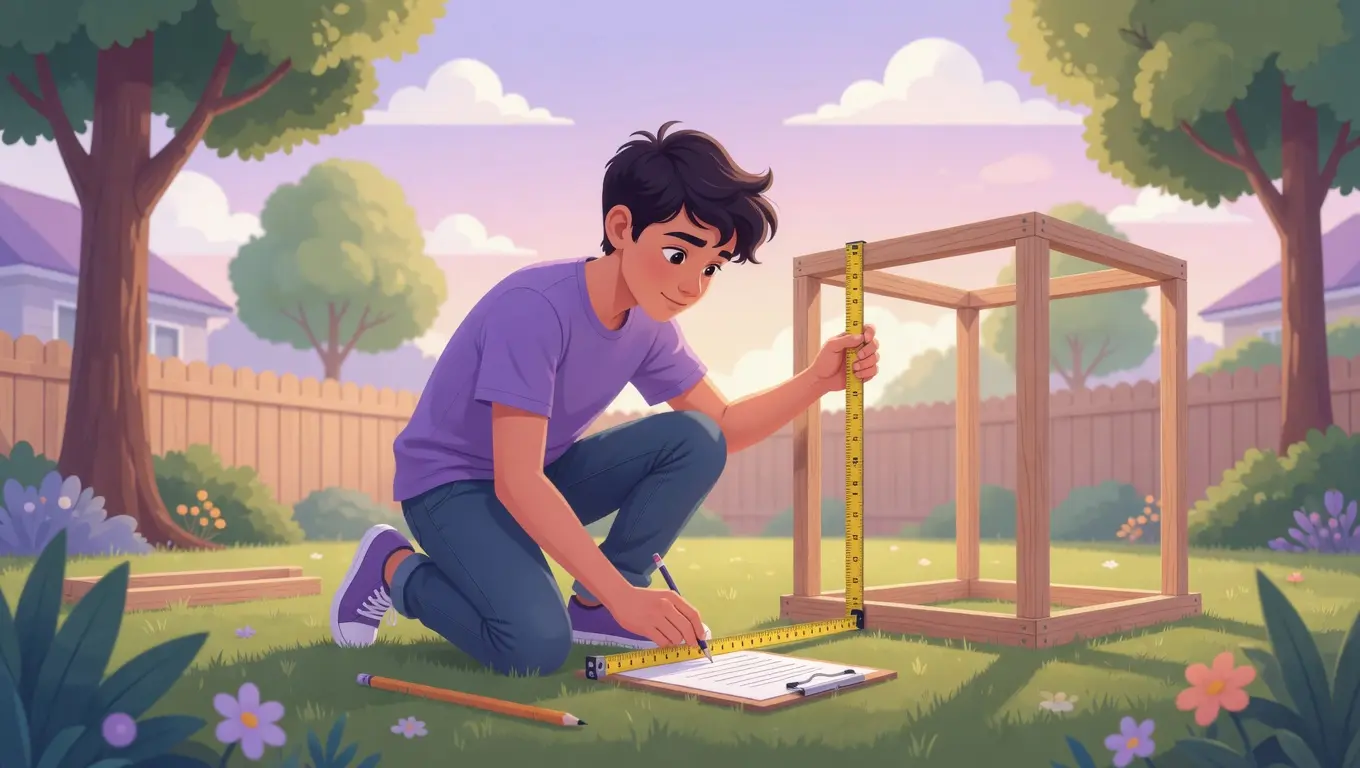
Engineering does not require laboratory benches. The outdoor space offers unique challenges that indoor spaces cannot replicate. Ask your child to solve a functional problem in the yard. Perhaps they can design a shelter for a local bird or insect that protects it from specific elements, or they might build a irrigation system for a small section of the garden using repurposed materials.
Focus on the constraint. The challenge isn't just to build, but to build something that meets a specific functional criteria. If they are building an insect shelter, they must consider the needs of the insect, does it require moisture, warmth, or protection from predators? This requirement forces them to research, design, prototype, and refine their ideas based on real-world feedback from the environment.
The Shift to Documentation
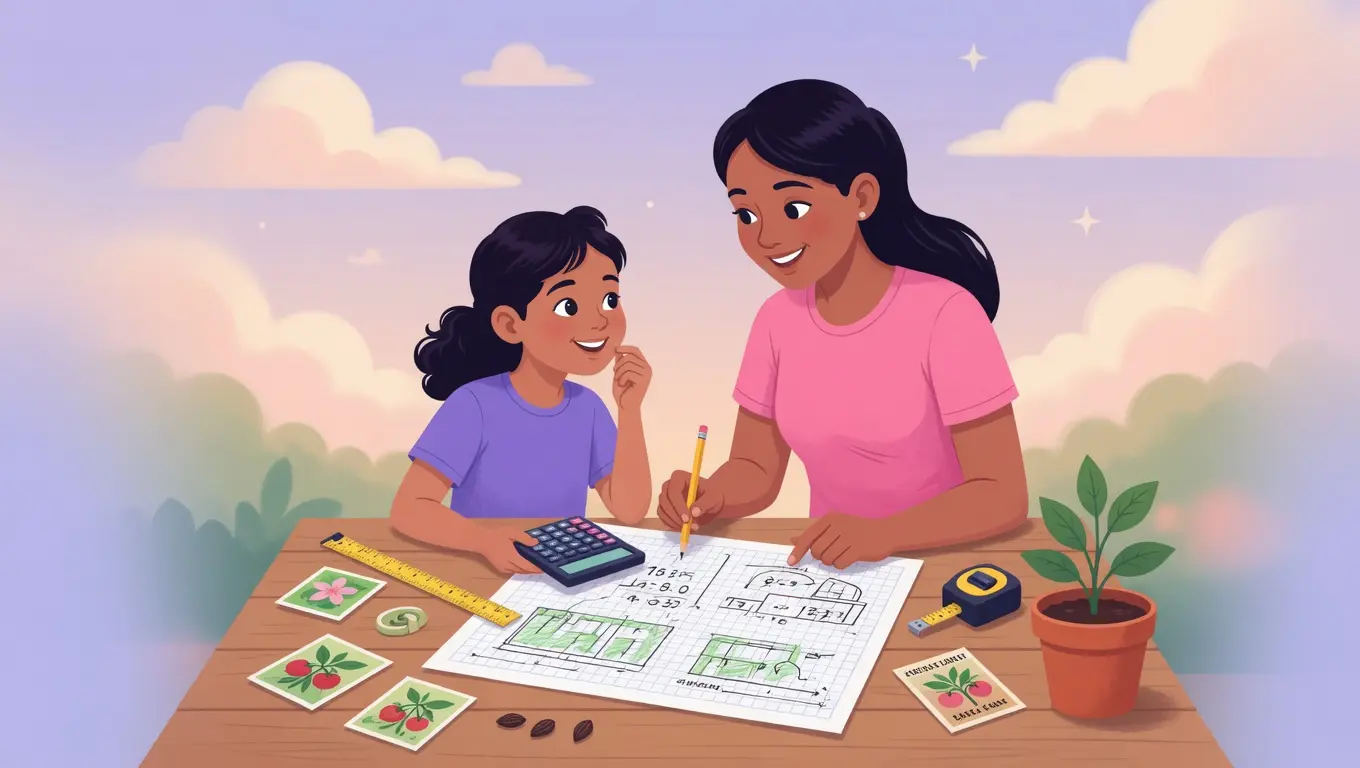
Learning in the backyard should be documented, not just experienced. Suggest your child maintain a project log, documenting their site maps, experiment results, and design sketches. This act of formalizing their findings serves as a bridge between the play of the outdoors and the academic rigors they encounter in other contexts.
By treating their backyard research as serious work, you validate their curiosity and help them see themselves as capable investigators. This encourages them to slow down, look closely, and ask better questions. The yard becomes a space where they can apply scientific methods in a context that is entirely within their control.
Concluding Thoughts
Turning your backyard into a learning lab does not require massive investment; it requires a shift in perspective. By treating the outdoor environment as a subject for study rather than just a place to burn off energy, you provide your older elementary child with an endless resource for discovery. This approach develops their ability to think systematically, act with intent, and appreciate the complexity of the natural world.