
Turning the Backyard Into a Tween Learning Lab
When a tween spends too much time indoors during the summer, the backyard offers an expansive, yet often underutilized, space for genuine intellectual discovery. At this age, children are ready to move beyond basic nature play. They can handle equipment, understand scientific variables, and manage multi-day experiments. By reframing the backyard as a learning lab, you provide a environment that demands physical engagement and critical thinking, moving them away from passive screen use toward active experimentation.
Establishing the Outdoor Research Space
To treat the backyard as a lab, it needs to function like one. This does not mean installing expensive equipment. It means carving out a dedicated area, a weather-resistant table, a sturdy potting bench, or even a cleared patch of grass, where project materials can be left safely over several days. A tween needs the ability to return to an ongoing experiment without having to dismantle it daily. When they have a permanent space for their work, they are more likely to return to it with a sense of purpose and ownership.
Variables and Controlled Experiments
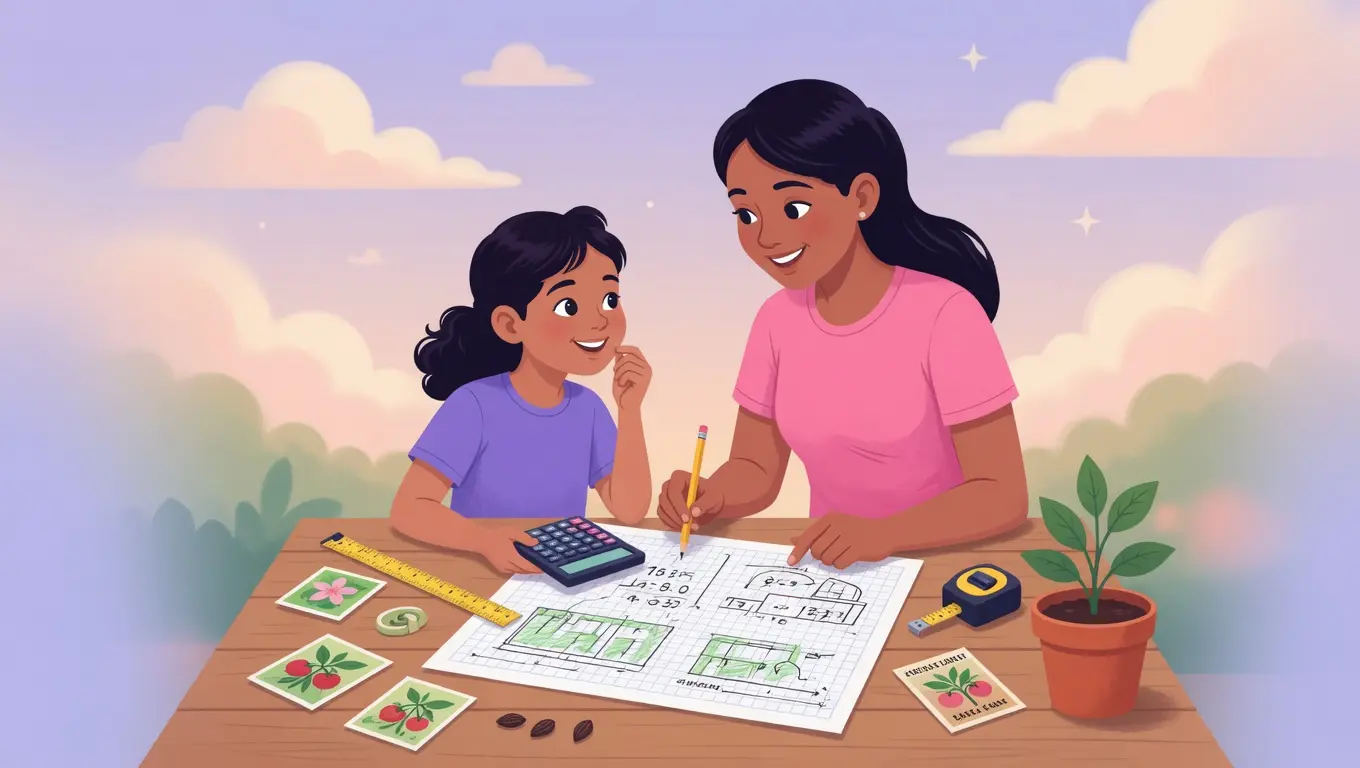
One of the most effective ways to foster scientific literacy is to teach a tween how to manipulate variables. Encourage them to design a multi-week experiment. For example, they could test how different soil compositions or light exposure levels affect the growth rate of specific plants. This requires them to set up a control group and a test group, measure growth at consistent intervals, and document their findings. They are not just gardening; they are engaging in the rigorous collection and analysis of data.
Environmental Monitoring and Data Logging
Tweens are often fascinated by the systems that govern their local environment. Challenge them to maintain a daily log of local weather conditions, temperature fluctuations, and animal behavior in the yard. They can build a rudimentary rain gauge or an anemometer to measure wind speed. Over the course of a month, they can synthesize this data to look for patterns. Does a drop in air pressure correlate with a change in bird activity? This kind of longitudinal study teaches them to connect anecdotal observations to measurable data sets.
Structural Engineering Projects
If your tween prefers building to data collection, utilize the yard for structural projects. Challenging them to build a temporary shade structure or a simple bridge across a garden bed forces them to confront practical engineering problems. They must choose materials that can withstand outdoor conditions, calculate load-bearing requirements, and solve connectivity issues. When the structure sags or collapses, it is a direct lesson in physics and material science. You are there to provide the materials, but the design and the troubleshooting must come from them.
Fostering Independence Through Observation
As a parent, your primary role in the outdoor lab is that of an observer and, occasionally, a facilitator. If your tween struggles with their experiment, do not rush to point out the error. Ask what they observed and how they might isolate the cause of the failure. By asking questions rather than giving answers, you respect their emerging ability to think abstractly and solve problems autonomously. They need to experience the friction of a failed experiment to truly understand the value of a successful one.
Conclusion
The backyard should be an extension of a child's intellect, not just a place for aimless movement. By providing the tools, the space, and the freedom to experiment, you transform an outdoor area into a venue for significant discovery. The goal is to nurture a child who is comfortable with uncertainty, persistent in the face of failure, and capable of applying their own curiosity to the physical world. This summer, give your tween the autonomy to design their own inquiries in the yard and see what they uncover.