
Writing a Summer Screen-Time Plan for an 11-Year-Old
The Need for Intentional Structure
Summer offers a period of relative freedom, but for an 11-year-old, this can easily descend into aimless screen consumption. The goal of a screen-time plan is not to impose rigid restrictions for their own sake, but to create a predictable structure that allows for leisure while ensuring other essential developmental needs are met. An 11-year-old is at a stage where they can participate in setting these rules. By involving them, you turn a potential point of conflict into an exercise in self-regulation.
Establishing Core Priorities
Before discussing screens, identify the non-negotiable activities for your child’s summer. These might include physical exercise, time outdoors, reading, contributing to household maintenance, or pursuing a personal creative project. Frame these not as chores to be finished before they earn screen access, but as foundational elements of a healthy, balanced day. When these requirements are met, screen time becomes a logical reward.
Creating a Collaborative Schedule
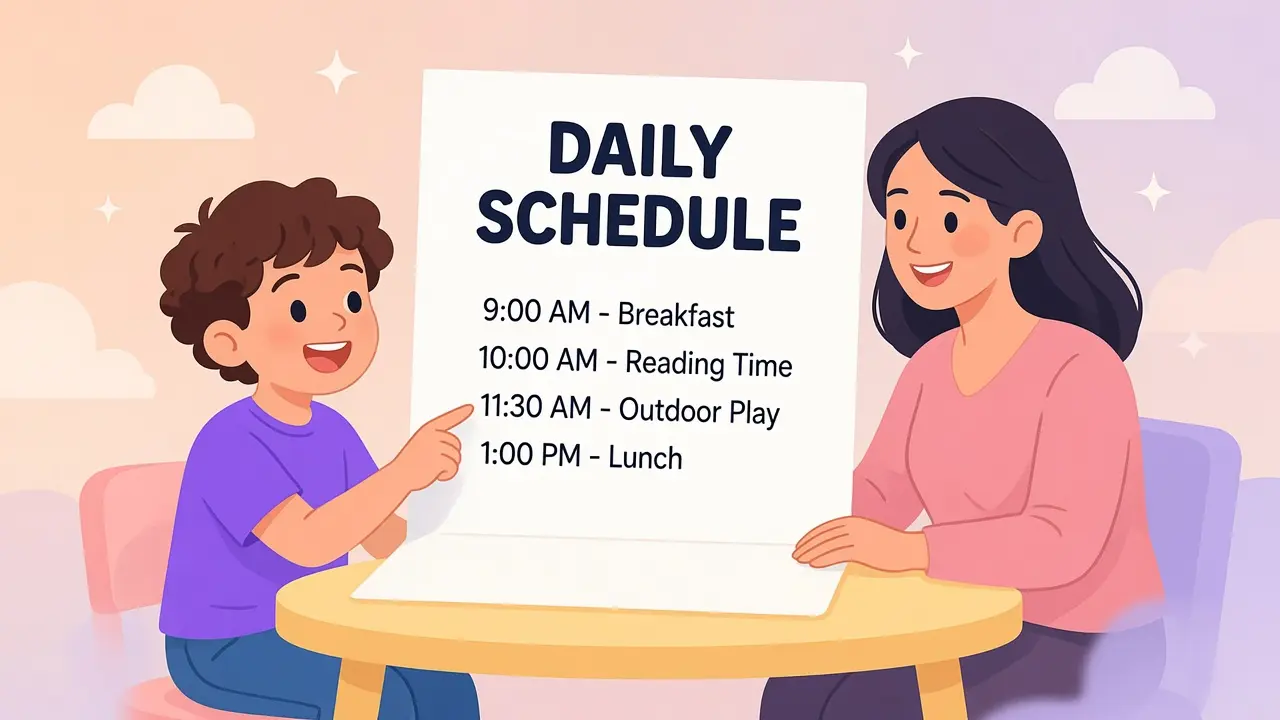
Sit down with your 11-year-old and map out a typical summer day. Ask them when they would prefer to be online and when they want to be active. If they are motivated by gaming with friends or watching specific content, encourage them to identify those times as priority slots. By giving them agency to choose when their time is used, they gain a sense of ownership. If their proposed schedule feels unrealistic, discuss the potential consequences of skipping their core priorities and work together to adjust the plan.
Defining Logical Trade-offs
Use an 'if-then' framework to manage screen time. If they want an extra hour of gaming, explore what they are willing to trade for it. Perhaps they can take on an additional household task or dedicate more time to an outdoor activity. This logic-based approach removes the moral weight from the conversation and transforms it into a discussion of value exchange. It teaches your 11-year-old that digital engagement has costs and benefits, just like any other activity.
Managing Transitions and Boredom
Transitions from digital to physical activity are often the hardest part of any plan. When it is time to put the device away, they may experience frustration or a sudden lack of direction. Provide them with a buffer period, such as a ten-minute warning, to allow them to reach a stopping point. Furthermore, suggest a menu of low-stakes, offline alternatives for when they feel bored after switching off. This helps them bridge the gap between high-stimulation gaming and the slower pace of physical activities.
Monitoring and Iteration
View this plan as a draft that will inevitably require adjustment. Check in at the end of each week to review how the schedule worked. Did they meet their daily requirements? Did they feel their screen time was satisfying? If they consistently struggled to put the device down, look for the underlying cause. Is the schedule too rigid, or are the devices too accessible? Use these conversations to refine the plan for the following week. This iterative process is how you build the skills necessary for long-term digital competence.
Conclusion
A realistic summer screen-time plan is a tool for autonomy, not a system of control. By working collaboratively with your 11-year-old to define the role of technology in their summer, you create an environment where they can learn to manage their own time with purpose. As they practice adhering to the plan and adjusting it based on their experience, they develop the logical thinking and self-regulation skills they will carry into their teenage years.