History Exploration for a 3rd Grader
Shifting from Observation to Investigation
At eight or nine years old, a 3rd grader begins to move away from purely concrete thinking. They are now capable of understanding that events in the past occurred in a sequence and that these events have direct impacts on the world they inhabit today. When you visit a museum or a historical site this summer, avoid the urge to simply read plaques aloud or ask for memorization of dates. Instead, focus on investigative questions that force your child to synthesize what they see.
Ask your child how a specific tool, such as a colonial-era churn or a textile loom, changed the daily life of a family living during that period. Challenge them to explain why a specific building was positioned near a river or a road. This simple shift helps a 3rd grader practice causal reasoning. By age eight, children can track multiple variables in a narrative. Encourage them to notice who had power in a given situation and what consequences their decisions had on others.
Managing Attention at Historical Sites
One common challenge for parents of 3rd graders is the tendency for children to focus on physical features of a location rather than the historical context. If you are exploring an old fort or a battlefield, your child may be more interested in the height of the walls or the layout of the trenches than the reasons for the conflict. Use this interest as a bridge. If they are fascinated by the walls, ask them how long it would take to build such a structure with the tools available at the time and what materials were sourced locally. This grounds the history in physical reality, which is a strength for children in this developmental stage.
Interactive Research During Travel
Summer travel provides an opportunity to turn the journey into a research project. Before you leave, assign your child a specific role related to your destination. If you are visiting a historical town, ask them to investigate what people ate or what kind of jobs existed there two hundred years ago. Bring a notebook and have them record their findings.
During the trip, let them compare their findings with what they see on site. If they read that people in the 1800s traveled by horse and buggy, have them note the distances between towns and calculate how long a trip might have taken. This math-integrated history work helps 3rd graders understand the constraints of the past. It removes the abstraction of history and places it in the context of time and physical labor.
The Role of Museums in Critical Thinking
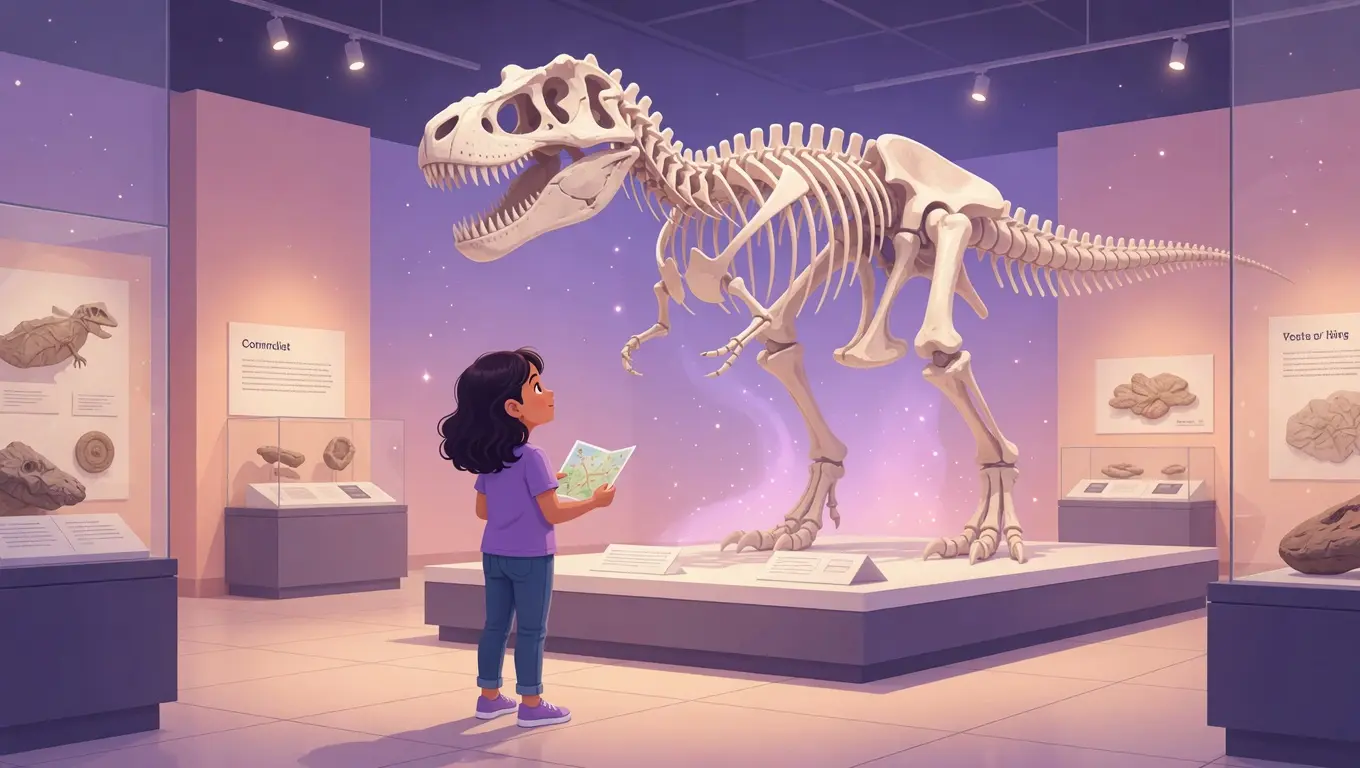
Museums are often overwhelming for children. Rather than attempting to see every exhibit, select one section that aligns with a topic your child has mentioned interest in. If your 3rd grader asks about how people stayed warm in winter, head to the exhibit focused on domestic life.
When looking at an object, ask your child to create a hypothesis about its use before they read the description. If they get it wrong, do not correct them with a lecture. Instead, ask them what clues led to their conclusion and what features of the object suggested a different function. This process of hypothesis and revision is central to the scientific method and critical thinking. It teaches your child that history is a process of interpreting evidence rather than a static set of facts.
Evaluating Historical Sources
Even a 3rd grader can learn to identify that accounts of history vary. If you visit a site that has a video presentation or a guided tour, discuss the perspective of the narrator afterward. Ask your child whose voice is included and whose voice is missing. This helps them understand that history is curated. As parents, you provide the tools to evaluate these sources. If a museum exhibit emphasizes the perspective of the leaders, ask your child what life might have been like for the workers or the families who lived in the same area. This nuance is accessible to an eight-year-old and prepares them for more complex academic work in later years.
Finalizing Your Summer History Plan
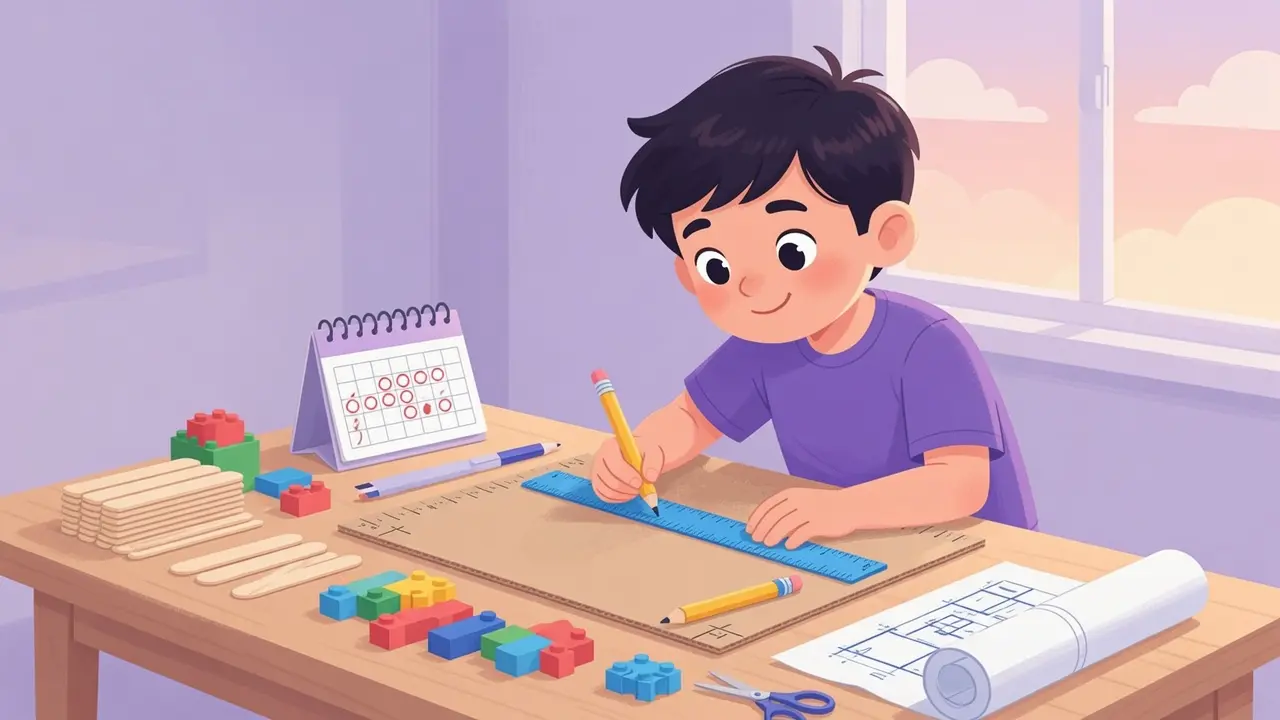
To ensure these experiences remain engaging, keep them short and focused. A two-hour deep dive into a specific era or building is more productive than a full day of aimless wandering through a large museum. Follow up your visits by asking your child to create a map or a model of what they learned. If they studied a historical home, have them draw a floor plan. If they studied a battle, have them outline the movement of the groups. These activities consolidate their learning and provide a tangible product that reinforces the effort they put into their discovery.
By treating your child as an active investigator, you help them build a foundation for historical thinking that extends far beyond the classroom. The goal is not to fill their heads with dates, but to cultivate a habit of looking at the world as a narrative built by people who, like them, faced challenges and made decisions within their own specific time.