
Back-to-School Phone Rules for Middle Schoolers
Back-to-school phone rules can become a fight when they arrive as a list of restrictions with no connection to a child's actual day. Middle schoolers are often using phones for group messages, school updates, music, games, and friendships. Parents are also trying to protect sleep, attention, privacy, and family time.
The goal is not to pretend phones are unimportant. It is to create back-to-school phone rules for middle schoolers that match the responsibilities of a school week and give a child a clear reason for each boundary.
Begin with the problems the rules are meant to solve
Start the conversation before a conflict. Explain the practical concerns: a phone can interrupt homework, make it harder to wind down before bed, spread a misunderstanding through a group chat, or pull attention away from a face-to-face conversation. Ask your child which parts of phone use feel helpful and which parts feel distracting or stressful.
This does not mean the child gets to decide every rule alone. Parents are still responsible for setting limits. It does mean that a middle schooler is more likely to follow a boundary they understand and helped make workable.
Set school-night times, not vague warnings
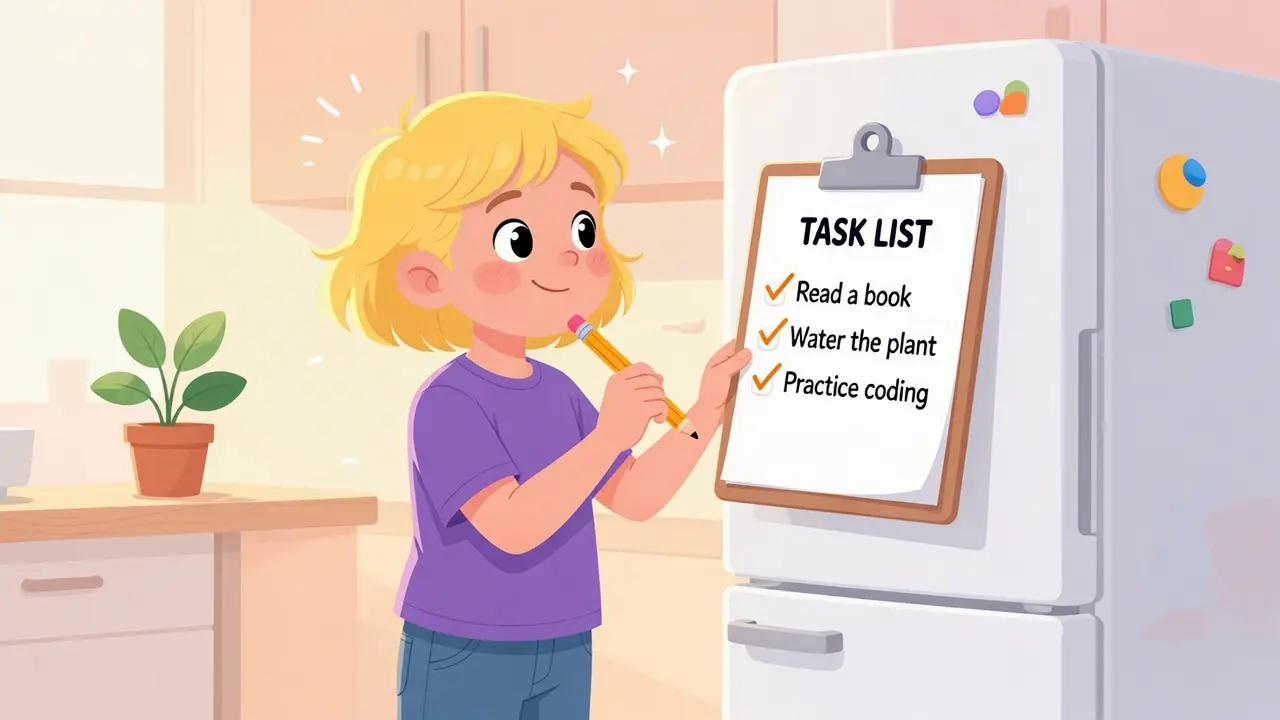
"Use your phone less" is difficult to follow because it does not tell a child what to do differently. A school-night plan can be more concrete:
- Phone use pauses during homework blocks unless it is needed for schoolwork.
- Group chats are checked at a defined time instead of throughout the evening.
- The phone charges outside the bedroom at a consistent time.
- Parents and children agree on when messages from friends can wait until morning.
Adjust the details for your family. A child with an after-school activity may need a different check-in time than a child who comes home directly. The important part is that the plan is visible and repeatable.
Connect phone access to school responsibilities
Do not make a phone the prize for perfect grades or perfect behavior. That can turn normal school mistakes into a much larger power struggle. Instead, connect phone access to the routines that make school days work.
For example, homework comes before recreational scrolling because unfinished work creates pressure later in the evening. The phone charges in a shared space because sleep matters the next day. A child who wants more flexibility can show they are using the current plan responsibly over time.
When a rule is not followed, use a consequence connected to the problem. If a phone keeps interrupting homework, it may stay in another room during the next homework block. If late-night messages make mornings miserable, the charging time may move earlier. Explain the reason, then return to the agreement rather than adding a new punishment every time.
Teach the difference between private and secret
Middle schoolers need growing privacy, but privacy does not mean parents must ignore safety. Discuss what information should stay personal, such as passwords, home address details, school schedules, photos, and private family information. Talk about why a message can be copied, forwarded, or misunderstood even when it was sent to one friend.
Make it clear that your child can come to you when something online feels strange, embarrassing, or threatening. The first response matters. If a child expects humiliation or an immediate lecture, they may hide the problem. Start with, "Thank you for showing me," then work together on what happened and what needs to happen next.
Practice group-chat judgment
Many phone conflicts during the school year happen in group chats. A joke can become hurtful, a rumor can spread quickly, and a child may feel pressure to respond immediately. Talk through a few situations before they happen.
Ask, "What could you do if someone posts something cruel about a classmate?" Possible steps include not adding to it, saving information if an adult needs to see it, leaving the conversation, and telling a trusted adult. The best response will depend on the situation, but a child should know that silence can be a thoughtful choice and asking for help is allowed.
Revisit the agreement as the year changes
Back-to-school phone rules should not be frozen forever. A child may gain a new activity, start using a school platform, or show that a rule is creating an unintended problem. Set a date to revisit the agreement after the first few weeks of school.
At the check-in, ask what is working, what is difficult, and what evidence supports a change. A middle schooler who has consistently charged the phone outside the bedroom and completed homework may be ready for a small adjustment. A rule that is regularly ignored may need to be simpler or more specific.
Clear phone rules are not about controlling every conversation. They help a middle schooler learn that digital choices affect sleep, schoolwork, friendships, and trust. When parents explain the why, listen to real obstacles, and follow through calmly, the phone becomes one part of a school-day routine rather than the center of every argument.